 PlantFun
Scented Geranium Toxic?
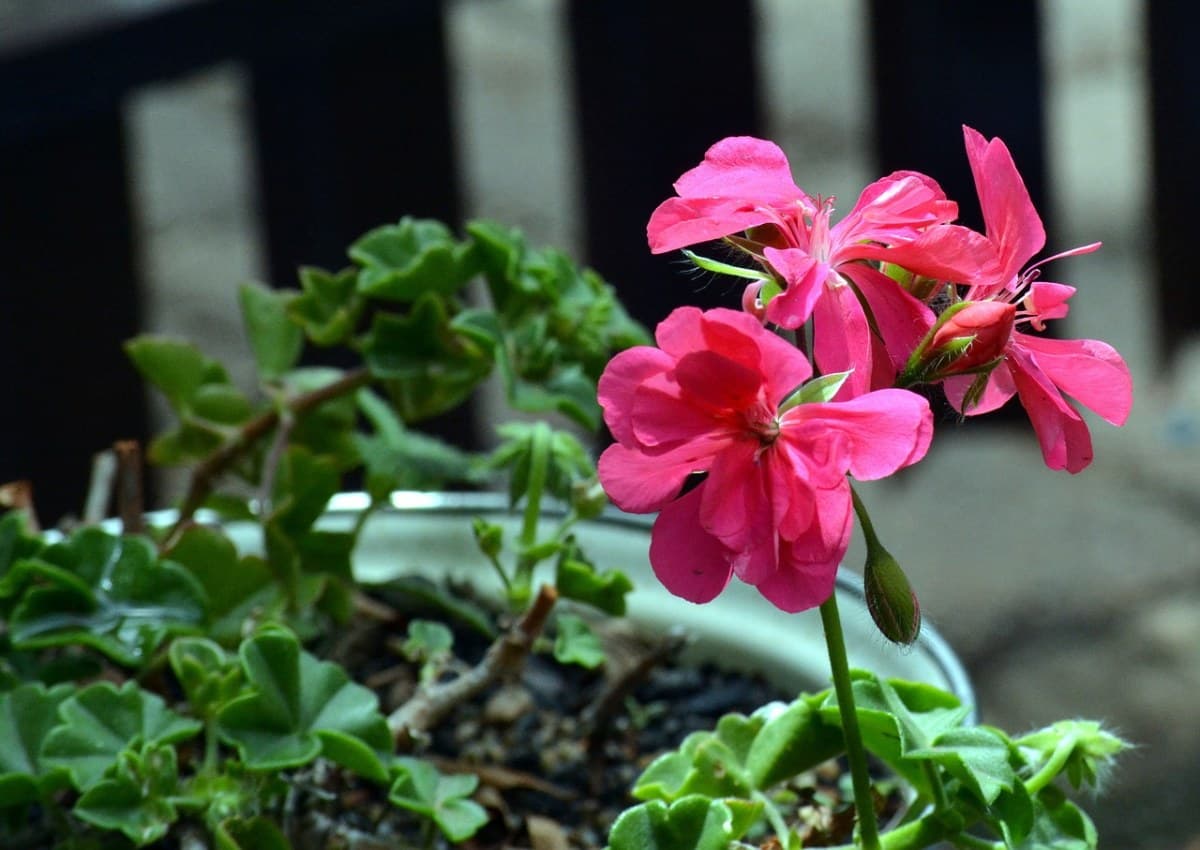
Scented Geranium is confirmed toxic to cats and dogs, while its toxicity to horses is currently unconfirmed
Essential oils are the primary toxic compounds present in this plant
Cats are the most sensitive species to Scented Geranium exposure, with more severe symptoms possible at higher doses
FAQ
Is Scented Geranium toxic to Humans?
No official human toxicity data is documented; incidental contact may cause mild skin irritation, and large ingestion may lead to minor GI upset (Low)
Is Scented Geranium toxic to Cats?
Primarily gastrointestinal upset; higher exposures may cause ataxia, muscle weakness, depression, or hypothermia as cats are the most sensitive species (Moderate)
Is Scented Geranium toxic to Dogs?
Primarily gastrointestinal upset; larger exposures may lead to ataxia, muscle weakness, depression, or hypothermia (Low)
Is Scented Geranium toxic to Horses?
Toxicity is unknown, no confirmed clinical symptoms documented to date (Unknown)
Toxicity Details
No official human toxicity data is documented; incidental contact may cause mild skin irritation, and large ingestion may lead to minor GI upset
Primarily gastrointestinal upset; higher exposures may cause ataxia, muscle weakness, depression, or hypothermia as cats are the most sensitive species
Primarily gastrointestinal upset; larger exposures may lead to ataxia, muscle weakness, depression, or hypothermia
Toxicity is unknown, no confirmed clinical symptoms documented to date
Toxicity Snapshot
First Aid & Prevention
First 30 Minutes
- • Remove any remaining plant material from the exposed animal's mouth and rinse the oral cavity with clean, cool water
- • If skin contact occurred, wash the affected area thoroughly with mild soap and water to remove residual essential oils
- • Monitor the animal closely for early signs of distress including vomiting, drooling, or unsteady movement for the first 30 minutes post-exposure
Contact Vet Immediately
- • If the exposed animal is a cat, as cats are the most sensitive to this plant's toxins
- • If any clinical signs including GI upset, ataxia, muscle weakness, depression, or hypothermia develop
- • If a large volume of plant material was ingested by any animal species
Prevention
- • Keep Scented Geranium plants out of reach of cats and dogs in both indoor and outdoor living spaces
- • Avoid planting this species in pastures or areas accessible to horses until its toxicity to equines is confirmed
- • Wash hands thoroughly after handling the plant to prevent accidental transfer of essential oils to pet food or fur
Treatment & Prognosis
- • Veterinarians may administer activated charcoal for recent large ingestions to reduce absorption of toxic essential oils
- • Provide supportive care including IV fluids, anti-emetics, and temperature regulation for animals presenting with severe symptoms
- • Monitor affected animals until all clinical signs fully resolve, with targeted care for neurological symptoms if present
Professional Toxicology
• Essential oils in the plant irritate the gastrointestinal mucosal lining, and may affect nervous system function at higher exposure levels
Information from CliniTox veterinary text.
The following plants look similar and may be confused:
Related Toxic Plants


Download PlantFun App
Identify, grow and care for plants effectively!
Instant Plant ID
Take a photo to quickly identify plants.
Smart Care Reminders
Generate watering and care schedules.
Toxicity & Disease Diagnosis
Identify toxic plants and pests with treatment advice.

Data Sources
This information is for reference only and does not constitute medical advice. If ingestion or poisoning is suspected, seek medical or veterinary attention immediately.