 PlantFun
Catnip Toxic?
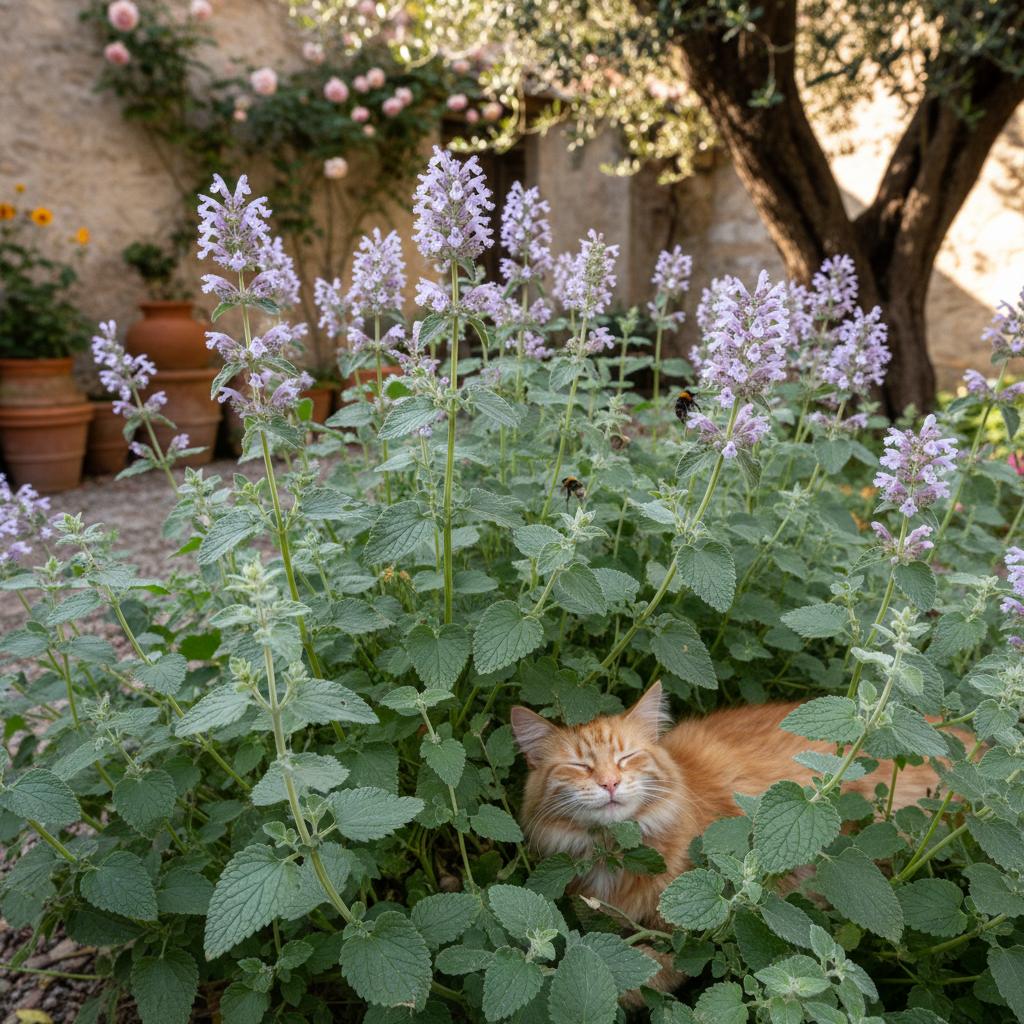
Catnip is confirmed toxic to cats, while its toxicity status for dogs and horses is currently unknown
Its primary active toxic principle per ASPCA data is the compound nepetalactone
Cat reactions to exposure vary, with common effects including vomiting, diarrhea, sedation, or hyperactivity
FAQ
Is Catnip toxic to Humans?
No reported toxic effects; considered safe for human use in small, appropriate quantities (Non-toxic)
Is Catnip toxic to Cats?
Vomiting, diarrhea, sedation, or overstimulation depending on individual cat sensitivity and exposure volume (Low)
Is Catnip toxic to Dogs?
No confirmed clinical toxicity data available; monitor for unusual gastrointestinal or behavioral symptoms if ingested (Unknown)
Is Catnip toxic to Horses?
No confirmed clinical toxicity data available; monitor for unusual gastrointestinal or behavioral symptoms if ingested (Unknown)
Toxicity Details
No reported toxic effects; considered safe for human use in small, appropriate quantities
Vomiting, diarrhea, sedation, or overstimulation depending on individual cat sensitivity and exposure volume
No confirmed clinical toxicity data available; monitor for unusual gastrointestinal or behavioral symptoms if ingested
No confirmed clinical toxicity data available; monitor for unusual gastrointestinal or behavioral symptoms if ingested
Toxicity Snapshot
First Aid & Prevention
First 30 Minutes
- • Immediately remove all remaining catnip from the exposed animal's access to prevent further consumption
- • If ingestion occurred within 10 minutes, only induce vomiting if explicitly directed by a veterinary professional
- • Monitor the animal for unusual behavior, vomiting, or diarrhea for 2 to 4 hours after exposure
Contact Vet Immediately
- • Vomiting or diarrhea persists for more than 2 hours post-exposure
- • The animal shows extreme unresponsiveness, severe hyperactivity, or respiratory distress
- • A very large volume of catnip was ingested by a young, elderly, or immunocompromised animal
Prevention
- • Store catnip products out of reach of unsupervised cats with a history of adverse reactions to the plant
- • Avoid offering large quantities of catnip to cats even if they appear to enjoy the plant
- • Keep unidentifiable Lamiaceae family plants away from all companion animals to prevent accidental ingestion
Treatment & Prognosis
- • Supportive care including fluid therapy to address dehydration from repeated vomiting or diarrhea
- • Symptomatic management of overstimulation or excessive sedation as prescribed by a veterinarian
- • No specific antidote exists, all care is targeted to the clinical signs the animal presents with
Professional Toxicology
• Nepetalactone binds to specialized olfactory receptors in cats to trigger characteristic behavioral changes
• Ingestion of large quantities irritates the gastrointestinal mucosal lining, leading to vomiting and diarrhea
Information from CliniTox veterinary text.
The following plants look similar and may be confused:
Related Toxic Plants



Download PlantFun App
Identify, grow and care for plants effectively!
Instant Plant ID
Take a photo to quickly identify plants.
Smart Care Reminders
Generate watering and care schedules.
Toxicity & Disease Diagnosis
Identify toxic plants and pests with treatment advice.

Data Sources
This information is for reference only and does not constitute medical advice. If ingestion or poisoning is suspected, seek medical or veterinary attention immediately.