 PlantFun
Mint Toxic?
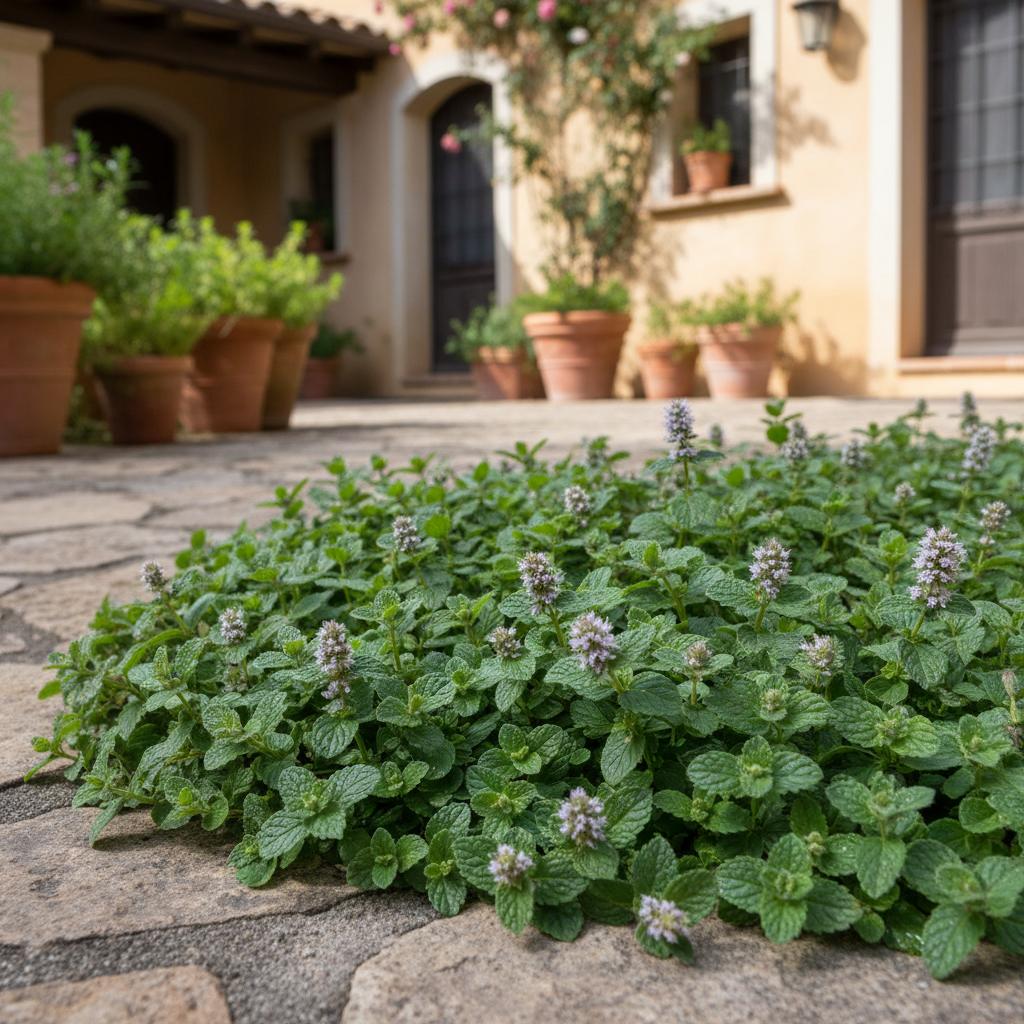
Mint is confirmed toxic to cats, dogs, and horses per ASPCA toxicity data
The primary toxic components of mint are its naturally occurring essential oils
Adverse clinical signs only appear after ingestion of large volumes of mint material
FAQ
Is Mint toxic to Humans?
No documented severe toxicity in humans; mild gastrointestinal upset may occur with extremely large intake (Low)
Is Mint toxic to Cats?
Vomiting and diarrhea after ingestion of large quantities of the plant (Low)
Is Mint toxic to Dogs?
Vomiting and diarrhea after ingestion of large quantities of the plant (Low)
Is Mint toxic to Horses?
Vomiting and diarrhea after ingestion of large quantities of the plant (Low)
Toxicity Details
No documented severe toxicity in humans; mild gastrointestinal upset may occur with extremely large intake
Vomiting and diarrhea after ingestion of large quantities of the plant
Vomiting and diarrhea after ingestion of large quantities of the plant
Vomiting and diarrhea after ingestion of large quantities of the plant
Toxicity Snapshot
First Aid & Prevention
First 30 Minutes
- • Remove all remaining mint plant material from the exposed animal's mouth and surrounding area
- • Monitor the animal closely for early signs of nausea, drooling, or abdominal discomfort
- • Do not induce vomiting unless explicitly instructed to do so by a licensed veterinarian
Contact Vet Immediately
- • The animal exhibits persistent vomiting, diarrhea, or obvious abdominal pain post-ingestion
- • The ingested substance is concentrated mint essential oil rather than fresh/dried plant matter
- • The animal shows signs of lethargy, loss of appetite, or dehydration after exposure
Prevention
- • Keep potted mint plants and concentrated mint essential oils out of reach of pets and grazing horses
- • Avoid adding raw mint or mint extracts to pet food, treats, or bedding without veterinary approval
- • Fence off wild mint patches in horse grazing areas to prevent accidental large-volume ingestion
Treatment & Prognosis
- • Supportive care including fluid therapy to correct dehydration from gastrointestinal losses
- • Administration of veterinarian-prescribed gastrointestinal protectants and anti-emetics
- • Symptomatic management of any secondary adverse reactions as they present
Professional Toxicology
• Essential oils in mint irritate the gastrointestinal mucosal lining, triggering inflammatory responses that lead to vomiting and diarrhea
Information from CliniTox veterinary text.
The following plants look similar and may be confused:
Related Toxic Plants

Download PlantFun App
Identify, grow and care for plants effectively!
Instant Plant ID
Take a photo to quickly identify plants.
Smart Care Reminders
Generate watering and care schedules.
Toxicity & Disease Diagnosis
Identify toxic plants and pests with treatment advice.

Data Sources
This information is for reference only and does not constitute medical advice. If ingestion or poisoning is suspected, seek medical or veterinary attention immediately.