 PlantFun
Corn mint Toxic?
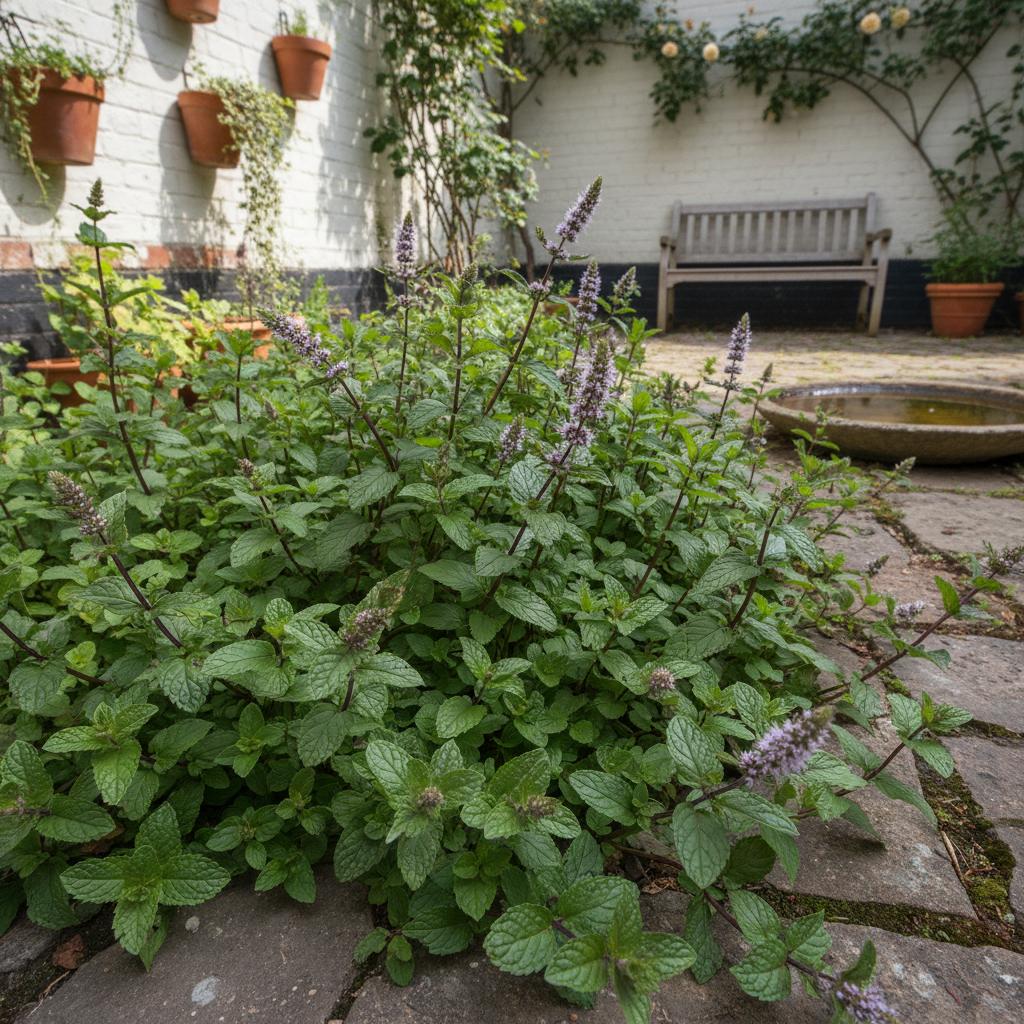
No published records of animal poisoning incidents linked to Mentha arvensis consumption exist to date
Despite no confirmed poisoning cases, this plant is not suitable for use as feed for any animal species
Corn mint can be easily confused with multiple other non-toxic species in the Lamiaceae family
FAQ
Is Corn mint toxic to Humans?
No confirmed toxicity symptoms in humans documented in available literature (Non-toxic)
Is Corn mint toxic to Cats?
No confirmed cat poisoning symptoms documented in available literature (Non-toxic)
Is Corn mint toxic to Dogs?
No confirmed dog poisoning symptoms documented in available literature (Non-toxic)
Is Corn mint toxic to Horses?
No confirmed horse poisoning symptoms documented in available literature (Non-toxic)
Toxicity Details
No confirmed toxicity symptoms in humans documented in available literature
No confirmed cat poisoning symptoms documented in available literature
No confirmed dog poisoning symptoms documented in available literature
No confirmed horse poisoning symptoms documented in available literature
Toxicity Snapshot
First Aid & Prevention
First 30 Minutes
- • If an animal ingests large quantities of corn mint, immediately remove remaining plant material from their access and mouth
- • Monitor the animal for unusual signs including gastrointestinal upset for at least 2 hours post-ingestion
- • Record the quantity of plant consumed and time of ingestion to share with a veterinarian if needed
Contact Vet Immediately
- • If the animal displays persistent vomiting, diarrhea, lethargy, or appetite loss after ingestion
- • If a small companion animal ingests an extremely large quantity of the plant
- • If you are uncertain if the ingested plant is corn mint or a more toxic related species
Prevention
- • Do not intentionally feed corn mint to any companion animals or livestock
- • Label all mint species grown in pet or livestock-accessible areas to avoid misidentification
- • Remove large stands of corn mint from livestock pastures to prevent unintended consumption
Treatment & Prognosis
- • Provide supportive care as the primary treatment for accidental ingestion, including fluid therapy if gastrointestinal upset occurs
- • Administer gastrointestinal protectants if the animal displays vomiting or diarrhea symptoms
- • Rule out ingestion of more toxic lookalike species as part of diagnostic assessment
Professional Toxicology
• No specific toxic mechanism has been identified for this plant as no poisoning cases have been confirmed in published literature
Information from CliniTox veterinary text.
The following plants look similar and may be confused:
Related Toxic Plants


Download PlantFun App
Identify, grow and care for plants effectively!
Instant Plant ID
Take a photo to quickly identify plants.
Smart Care Reminders
Generate watering and care schedules.
Toxicity & Disease Diagnosis
Identify toxic plants and pests with treatment advice.

Data Sources
This information is for reference only and does not constitute medical advice. If ingestion or poisoning is suspected, seek medical or veterinary attention immediately.