 PlantFun
Black medic Toxic?
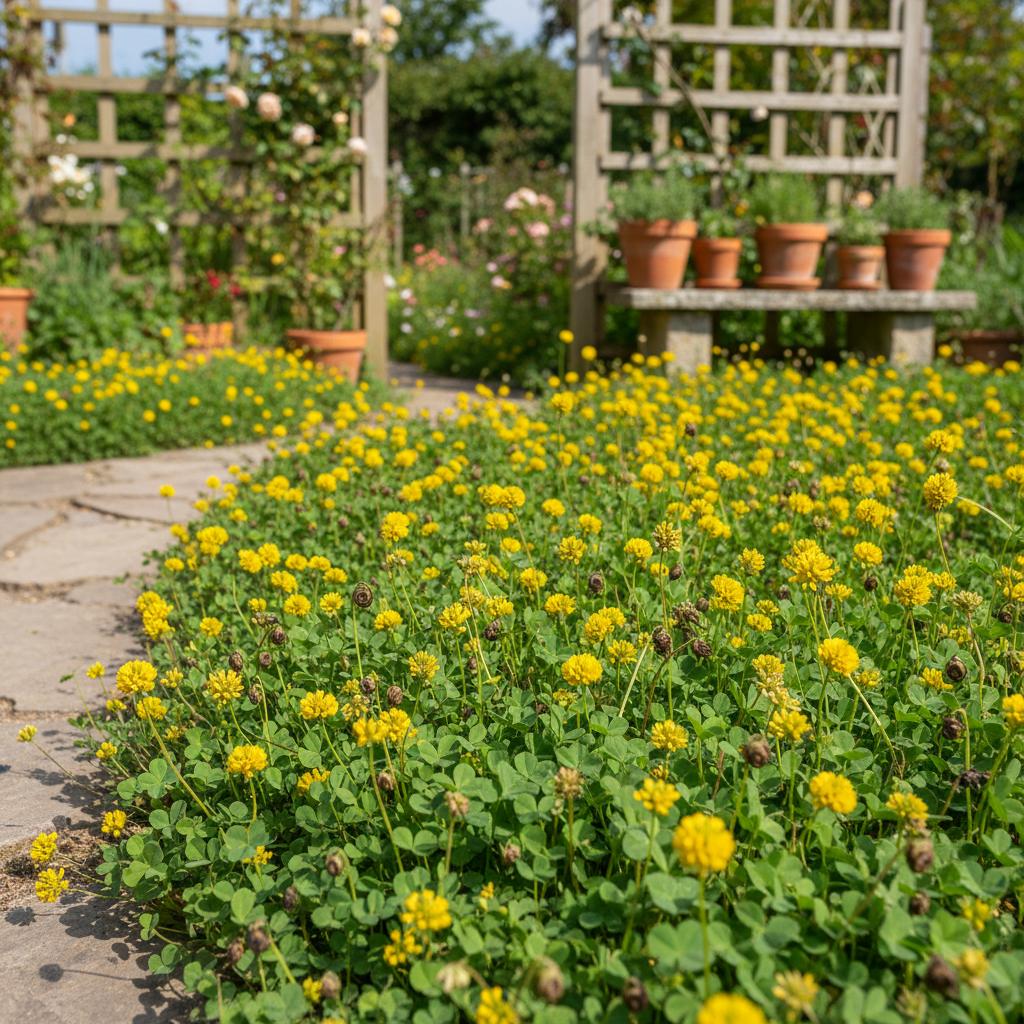
Only toxic in exceptional circumstances, despite containing phytoestrogens, saponins, and photosensitizing compounds
Exposure can lead to fertility disorders, bloat, photodermatitis, and growth depression in affected grazing animals
Primary treatment for adverse reactions is decontamination and targeted symptomatic supportive care
FAQ
Is Black medic toxic to Humans?
No confirmed human toxicity data is available for this plant (Non-toxic)
Is Black medic toxic to Cats?
No confirmed feline toxicity data is available for this plant (Non-toxic)
Is Black medic toxic to Dogs?
No confirmed canine toxicity data is available for this plant (Non-toxic)
Is Black medic toxic to Horses?
Potential symptoms with exceptional excessive exposure include fertility disorders (ovarian cysts, irregular cycles, anestrus), bloat, photodermatitis, and growth depression (Low)
Toxicity Details
No confirmed human toxicity data is available for this plant
No confirmed feline toxicity data is available for this plant
No confirmed canine toxicity data is available for this plant
Potential symptoms with exceptional excessive exposure include fertility disorders (ovarian cysts, irregular cycles, anestrus), bloat, photodermatitis, and growth depression
Toxicity Snapshot
First Aid & Prevention
First 30 Minutes
- • Remove all remaining plant material from the exposed individual's mouth and immediate environment
- • Induce vomiting only if explicitly directed by a veterinarian or medical professional for large recent ingestions
- • Move individuals showing signs of photosensitivity to a shaded area away from direct UV exposure immediately
Contact Vet Immediately
- • Signs of bloat (abdominal distension, pain, difficulty breathing) appear after ingestion
- • Fertility abnormalities, blistering/reddened skin (photodermatitis), or unexplained growth suppression are observed in grazing animals
- • Large volumes of the plant are ingested by breeding livestock or pets with pre-existing health conditions
Prevention
- • Avoid overgrazing pastures with high concentrations of black medic to limit excessive long-term intake
- • Monitor grazing livestock for signs of bloat and photosensitivity during periods of rapid plant growth
- • Limit intake of unprocessed black medic for breeding livestock to reduce risk of reproductive disruption
Treatment & Prognosis
- • Administer decontamination measures such as activated charcoal for recent large-volume ingestions
- • Provide symptomatic care tailored to presented symptoms (e.g. bloat relief, wound care for photodermatitis, hormone support for fertility issues)
- • Follow standard emergency therapy protocols for severe adverse reactions as clinically indicated
Professional Toxicology
• Phytoestrogens disrupt normal reproductive hormone signaling, leading to fertility abnormalities and cycle disruption
• Saponins and bloating proteins cause excess gas accumulation in the rumen of herbivores, leading to bloat (tympany)
• Photosensitizing compounds accumulate in skin tissue, triggering inflammatory reactions when exposed to UV radiation
Information from CliniTox veterinary text.
The following plants look similar and may be confused:
Related Toxic Plants

Download PlantFun App
Identify, grow and care for plants effectively!
Instant Plant ID
Take a photo to quickly identify plants.
Smart Care Reminders
Generate watering and care schedules.
Toxicity & Disease Diagnosis
Identify toxic plants and pests with treatment advice.

Data Sources
This information is for reference only and does not constitute medical advice. If ingestion or poisoning is suspected, seek medical or veterinary attention immediately.