 PlantFun
Rosary Pea Toxic?
Broken or chewed Rosary Pea seeds carry the highest toxicity risk, even in very small quantities.
The plant is confirmed toxic to cats, dogs, and horses, and poses a severe fatal risk to human health.
Intact seeds may pass through the digestive tract without harm, but damaged seed coats release life-threatening toxins.
FAQ
Is Rosary Pea toxic to Humans?
Severe vomiting (sometimes bloody), watery/bloody diarrhea, tremors, elevated heart rate, fever, shock, potential death (Severe)
Is Rosary Pea toxic to Cats?
Severe vomiting (sometimes bloody), watery/bloody diarrhea, tremors, high heart rate, fever, shock, death (Severe)
Is Rosary Pea toxic to Dogs?
Severe vomiting (sometimes bloody), watery/bloody diarrhea, tremors, high heart rate, fever, shock, death (Severe)
Is Rosary Pea toxic to Horses?
Severe vomiting (sometimes bloody), watery/bloody diarrhea, tremors, high heart rate, fever, shock, death (Severe)
Toxicity Details
Severe vomiting (sometimes bloody), watery/bloody diarrhea, tremors, elevated heart rate, fever, shock, potential death
Severe vomiting (sometimes bloody), watery/bloody diarrhea, tremors, high heart rate, fever, shock, death
Severe vomiting (sometimes bloody), watery/bloody diarrhea, tremors, high heart rate, fever, shock, death
Severe vomiting (sometimes bloody), watery/bloody diarrhea, tremors, high heart rate, fever, shock, death
Toxicity Snapshot
First Aid & Prevention
First 30 Minutes
- • Immediately remove any remaining plant or seed fragments from the mouth of the exposed person/animal, rinse thoroughly with clean water.
- • Induce vomiting only if the exposed subject is fully conscious, not seizing, and ingestion occurred within the last 10 minutes.
- • Do not feed, give water, or administer oral medications unless explicitly instructed by a medical professional or licensed veterinarian.
Contact Vet Immediately
- • Any confirmed or suspected ingestion of Rosary Pea plant material, especially chewed or broken seeds.
- • Appearance of vomiting, bloody diarrhea, tremors, or elevated heart rate after potential exposure to the plant.
- • If your pet or livestock has had unsupervised access to areas where Rosary Pea grows.
Prevention
- • Keep Rosary Pea plants, decorative seed jewelry, and craft materials containing the seeds out of reach of children, pets, and livestock.
- • Avoid planting Rosary Pea in yards, pastures, or public areas accessible to animals or young children.
- • Educate household members and caregivers about the distinctive bright red-black seeds and their extreme toxicity.
Treatment & Prognosis
- • Administer activated charcoal to bind unabsorbed toxins remaining in the gastrointestinal tract.
- • Provide IV fluid therapy to correct dehydration and electrolyte imbalances caused by severe vomiting and diarrhea.
- • Deliver symptomatic supportive care to manage fever, tremors, cardiac abnormalities, and prevent progression to shock and organ failure.
Professional Toxicology
• Abrin inhibits cellular protein synthesis, leading to widespread cell death and tissue damage across organ systems.
• Abric acid irritates the gastrointestinal lining, contributing to severe vomiting, diarrhea, and fluid loss.
Information from CliniTox veterinary text.
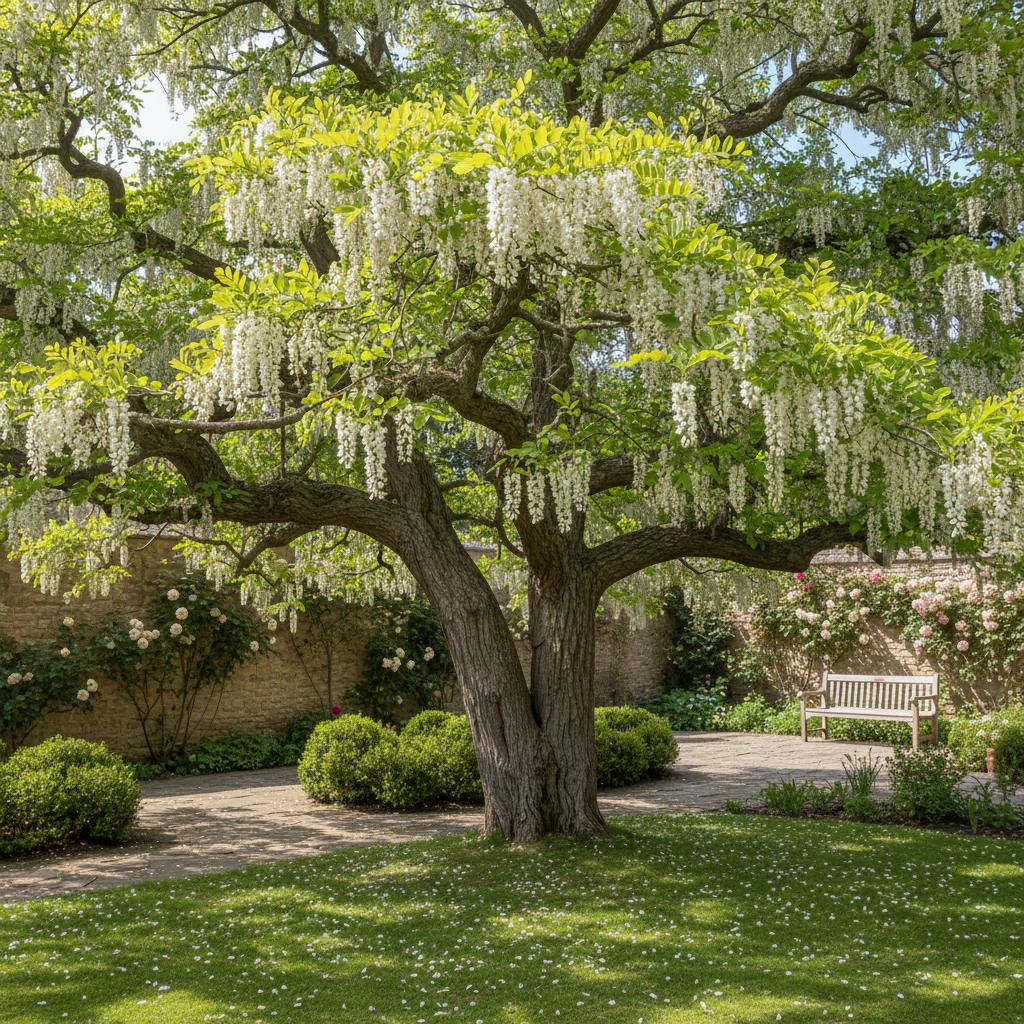
The following plants look similar and may be confused:
Related Toxic Plants

Download PlantFun App
Identify, grow and care for plants effectively!
Instant Plant ID
Take a photo to quickly identify plants.
Smart Care Reminders
Generate watering and care schedules.
Toxicity & Disease Diagnosis
Identify toxic plants and pests with treatment advice.

Data Sources
This information is for reference only and does not constitute medical advice. If ingestion or poisoning is suspected, seek medical or veterinary attention immediately.