 PlantFun
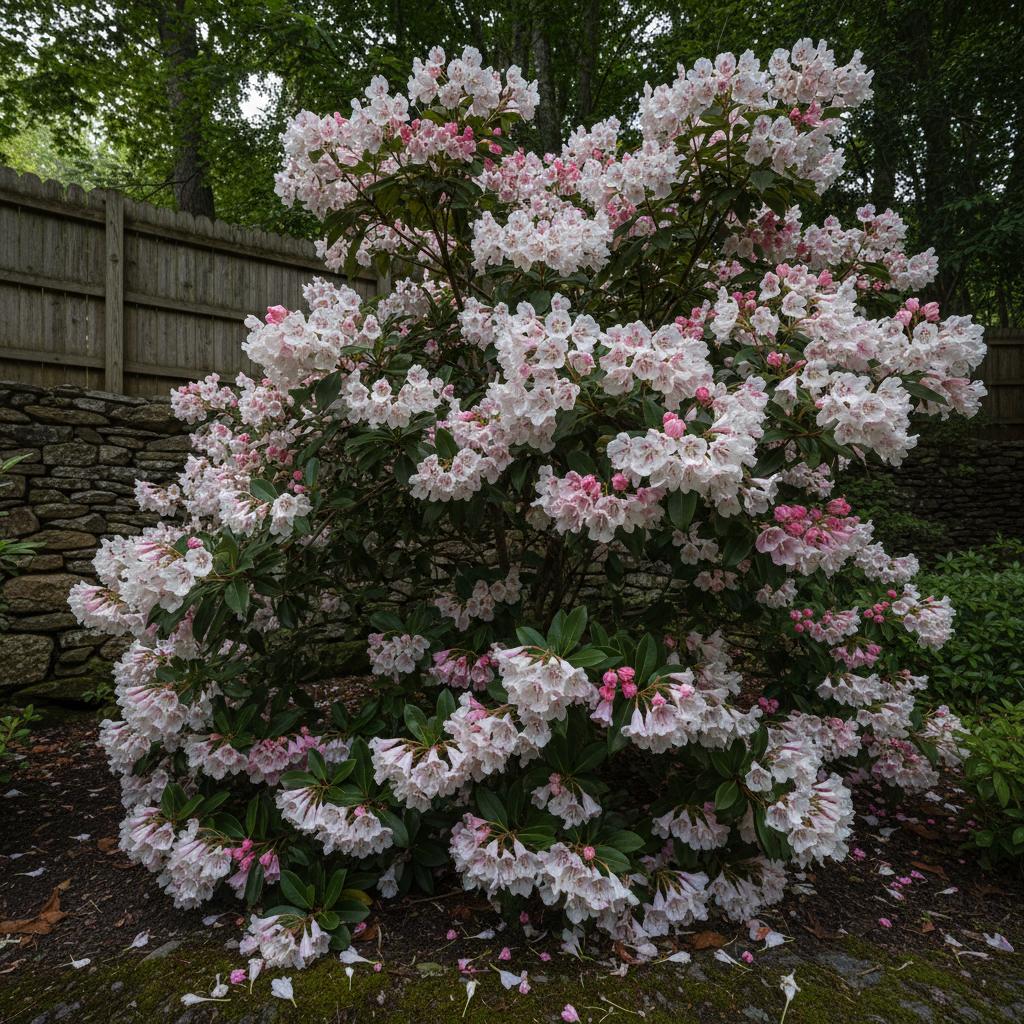
Dog Hobble Toxic?
All plant parts (especially leaves) contain toxic grayanotoxins, and even small ingested amounts can trigger severe illness
The plant is confirmed to be toxic to cats, dogs, and horses, with possible fatal outcomes
Immediate veterinary intervention is critical if any ingestion of this plant is suspected
FAQ
Is Dog Hobble toxic to Humans?
No species-specific human toxicity data is documented; grayanotoxin exposure typically causes vomiting, diarrhea, low blood pressure and irregular heart rate (Moderate)
Is Dog Hobble toxic to Cats?
Vomiting, diarrhea, hypersalivation, depression, weakness, low blood pressure, cardiovascular collapse, coma, potential death (Severe)
Is Dog Hobble toxic to Dogs?
Vomiting, diarrhea, hypersalivation, depression, weakness, low blood pressure, cardiovascular collapse, coma, potential death (Severe)
Is Dog Hobble toxic to Horses?
Vomiting, diarrhea, hypersalivation, depression, weakness, low blood pressure, cardiovascular collapse, coma, potential death (Severe)
Toxicity Details
No species-specific human toxicity data is documented; grayanotoxin exposure typically causes vomiting, diarrhea, low blood pressure and irregular heart rate
Vomiting, diarrhea, hypersalivation, depression, weakness, low blood pressure, cardiovascular collapse, coma, potential death
Vomiting, diarrhea, hypersalivation, depression, weakness, low blood pressure, cardiovascular collapse, coma, potential death
Vomiting, diarrhea, hypersalivation, depression, weakness, low blood pressure, cardiovascular collapse, coma, potential death
Toxicity Snapshot
First Aid & Prevention
First 30 Minutes
- • Immediately remove remaining plant material from the exposed animal's mouth and rinse the mouth gently with clean cool water
- • Do not induce vomiting unless explicitly instructed to do so by a licensed veterinarian
- • Collect leftover plant material for accurate identification to support veterinary diagnosis
Contact Vet Immediately
- • Any confirmed or suspected ingestion of any part of Leucothoe sp.
- • Onset of symptoms including vomiting, diarrhea, excessive salivation, weakness or lethargy after possible exposure
- • Signs of cardiovascular distress, loss of consciousness, or coma
Prevention
- • Remove all Dog Hobble plants from areas accessible to pets, livestock, and young children
- • Clearly label this toxic plant if grown in public or shared outdoor spaces to avoid accidental exposure
- • Train pet owners and livestock handlers to identify Dog Hobble to prevent accidental consumption
Treatment & Prognosis
- • Veterinarians may administer decontamination treatments including activated charcoal to bind unabsorbed toxins in the gastrointestinal tract
- • Provide supportive care including intravenous fluid therapy, blood pressure management, and cardiovascular support as needed
- • Deliver targeted symptomatic treatment for vomiting, diarrhea and other presenting clinical signs to support recovery
Professional Toxicology
• Grayanotoxins bind to and modify voltage-gated sodium channel function in cell membranes, disrupting nerve and muscle cell signaling, leading to cardiovascular, gastrointestinal, and neurological dysfunction
Information from CliniTox veterinary text.
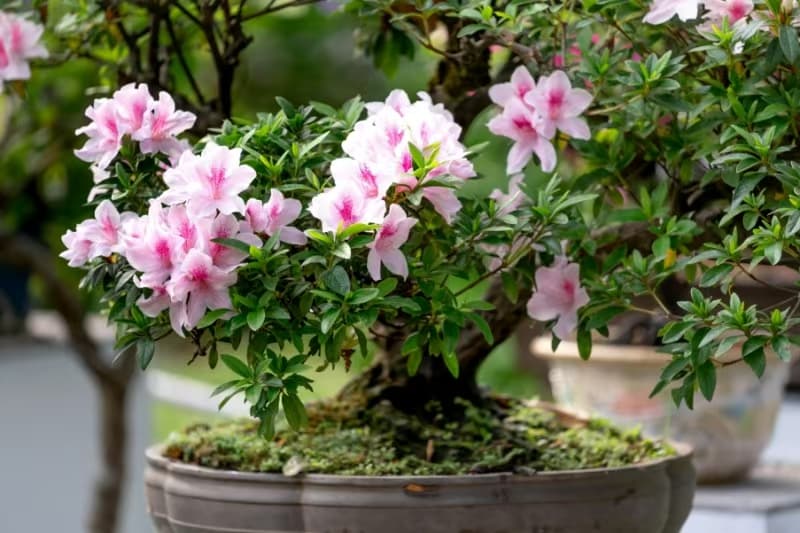
The following plants look similar and may be confused:
Related Toxic Plants

Download PlantFun App
Identify, grow and care for plants effectively!
Instant Plant ID
Take a photo to quickly identify plants.
Smart Care Reminders
Generate watering and care schedules.
Toxicity & Disease Diagnosis
Identify toxic plants and pests with treatment advice.

Data Sources
This information is for reference only and does not constitute medical advice. If ingestion or poisoning is suspected, seek medical or veterinary attention immediately.