 PlantFun
Kalanchoe Toxic?
Kalanchoe is confirmed toxic to cats and dogs, while its toxicity to horses remains unconfirmed
Its primary active toxic compounds are classified as bufodienolides per ASPCA data
Most exposures cause gastrointestinal symptoms, with rare occurrences of abnormal heart rhythm
FAQ
Is Kalanchoe toxic to Humans?
No confirmed severe human toxicity cases are documented; accidental ingestion may cause mild gastrointestinal upset in sensitive people (Low)
Is Kalanchoe toxic to Cats?
Vomiting, diarrhea, rare abnormal heart rhythm (Moderate)
Is Kalanchoe toxic to Dogs?
Vomiting, diarrhea, rare abnormal heart rhythm (Moderate)
Is Kalanchoe toxic to Horses?
No confirmed clinical signs documented as toxicity risk is currently unknown (Unknown)
Toxicity Details
No confirmed severe human toxicity cases are documented; accidental ingestion may cause mild gastrointestinal upset in sensitive people
Vomiting, diarrhea, rare abnormal heart rhythm
Vomiting, diarrhea, rare abnormal heart rhythm
No confirmed clinical signs documented as toxicity risk is currently unknown
Toxicity Snapshot
First Aid & Prevention
First 30 Minutes
- • Remove all remaining plant material from the exposed animal's mouth immediately
- • Do not induce vomiting unless explicitly directed to do so by a veterinary professional
- • Collect a sample of the ingested plant to share with your vet for accurate identification
Contact Vet Immediately
- • Your pet is exhibiting vomiting, diarrhea, or lethargy after exposure
- • You notice irregular breathing or an abnormal heart rate in your pet post-ingestion
- • A large quantity of the plant was consumed, even if no symptoms are yet present
Prevention
- • Keep all Kalanchoe plants placed well out of reach of cats, dogs, and other household pets
- • Label all houseplants clearly to prevent accidental ingestion by pets or young children
- • Securely dispose of all pruned Kalanchoe cuttings to avoid unsupervised pet access
Treatment & Prognosis
- • Veterinary decontamination via activated charcoal to reduce toxin absorption
- • Symptomatic supportive care including anti-emetics and fluid therapy to address gastrointestinal symptoms
- • Cardiac monitoring and targeted cardiac support if abnormal heart rhythm is detected
Professional Toxicology
• Bufodienolides act as cardiac glycosides, disrupting cellular sodium-potassium pump function in cardiac and gastrointestinal tissue
Information from CliniTox veterinary text.
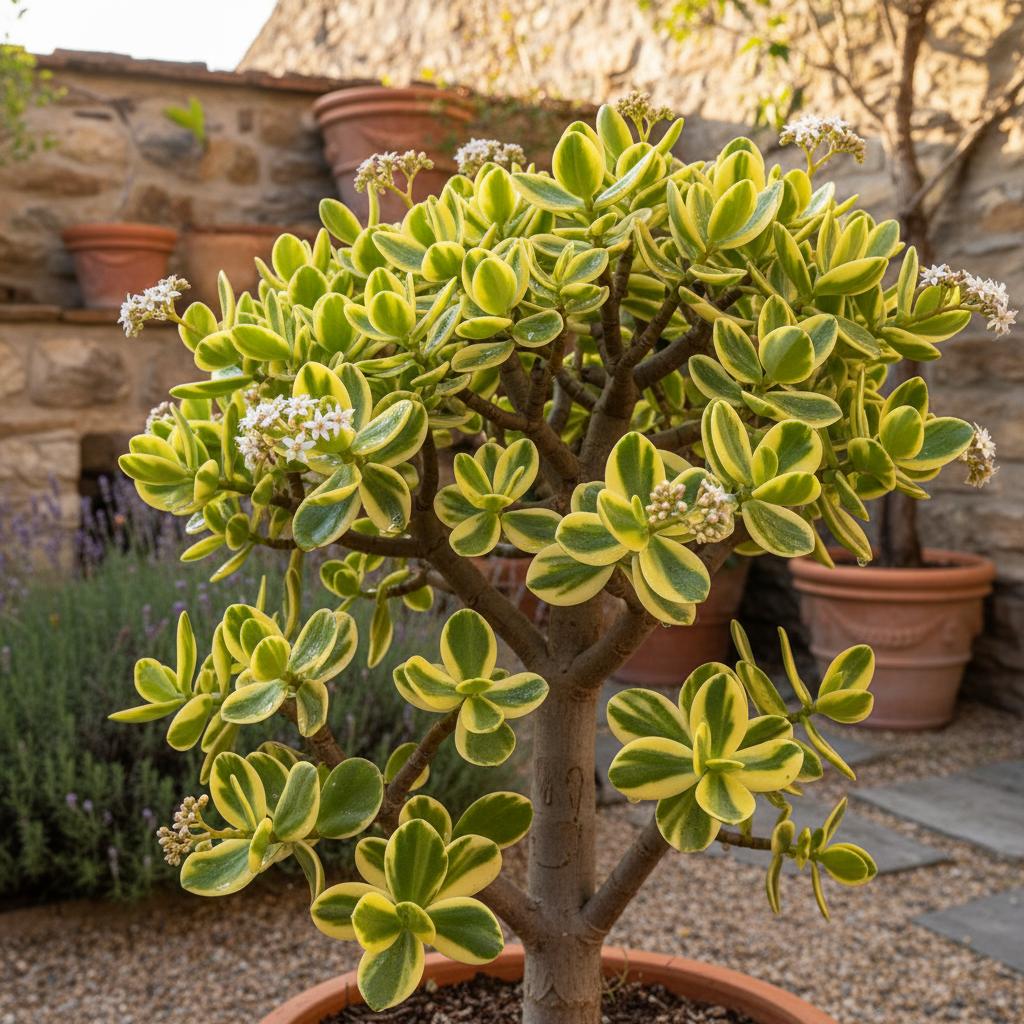
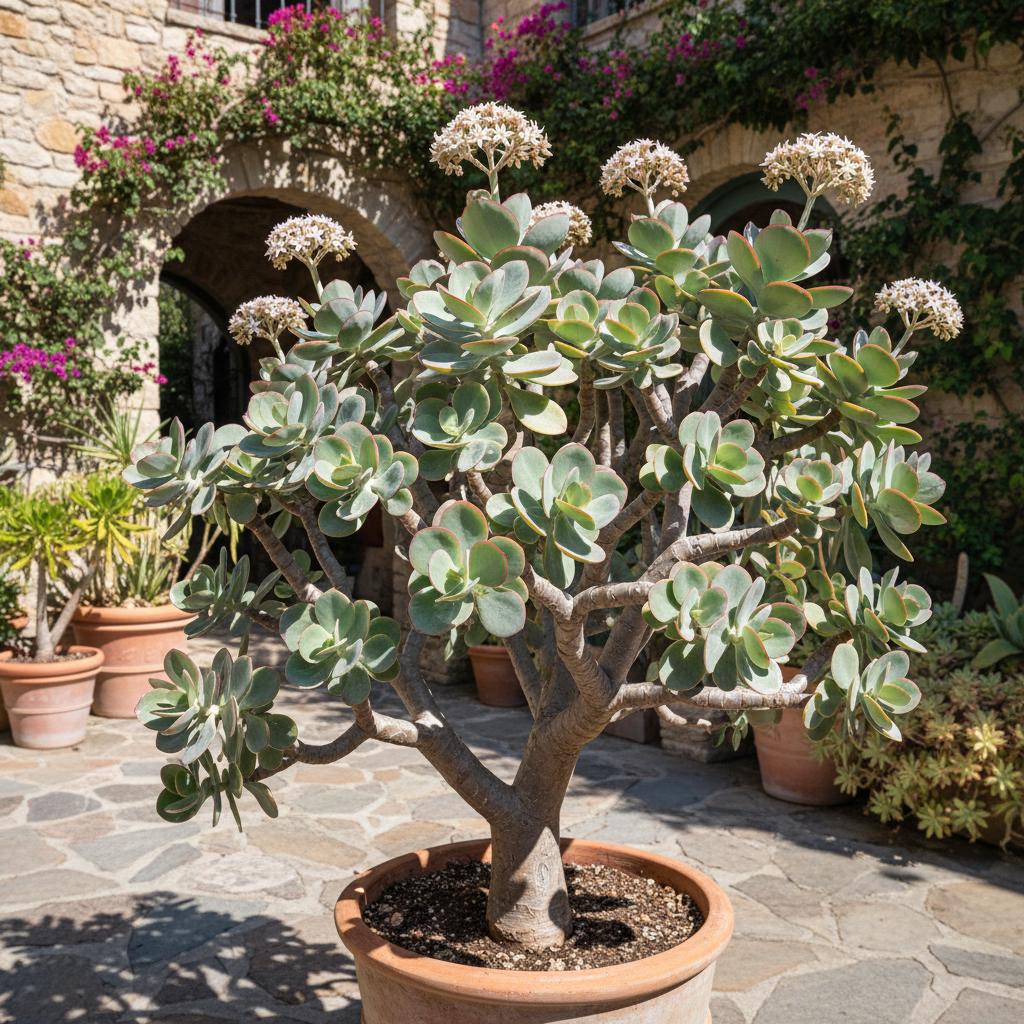
The following plants look similar and may be confused:
Related Toxic Plants

Download PlantFun App
Identify, grow and care for plants effectively!
Instant Plant ID
Take a photo to quickly identify plants.
Smart Care Reminders
Generate watering and care schedules.
Toxicity & Disease Diagnosis
Identify toxic plants and pests with treatment advice.

Data Sources
This information is for reference only and does not constitute medical advice. If ingestion or poisoning is suspected, seek medical or veterinary attention immediately.