 PlantFun
Silver Jade Plant Toxic?

Silver Jade Plant is verified to be toxic to both cats and dogs per ASPCA records
The specific toxic principles that cause adverse reactions are currently unknown
Ingestion of the plant typically leads to gastrointestinal symptoms including nausea and retching
FAQ
Is Silver Jade Plant toxic to Humans?
No confirmed human toxicity reports are available; mild gastrointestinal irritation is possible if large quantities are ingested (Low)
Is Silver Jade Plant toxic to Cats?
Nausea, retching, and mild to moderate gastrointestinal distress (Low)
Is Silver Jade Plant toxic to Dogs?
Nausea, retching, and mild to moderate gastrointestinal distress (Low)
Is Silver Jade Plant toxic to Horses?
Toxicity status is unconfirmed; monitor for unusual lethargy or gastrointestinal changes if ingested (Low)
Toxicity Details
No confirmed human toxicity reports are available; mild gastrointestinal irritation is possible if large quantities are ingested
Nausea, retching, and mild to moderate gastrointestinal distress
Nausea, retching, and mild to moderate gastrointestinal distress
Toxicity status is unconfirmed; monitor for unusual lethargy or gastrointestinal changes if ingested
Toxicity Snapshot
First Aid & Prevention
First 30 Minutes
- • Remove any remaining plant material from the exposed animal's mouth immediately
- • Rinse the animal's mouth gently with cool clean water to eliminate residual plant particles
- • Monitor the animal closely for early signs of nausea, retching, or unusual behavior
Contact Vet Immediately
- • Your cat or dog has ingested any quantity of Silver Jade Plant
- • Your animal exhibits nausea, retching, or gastrointestinal discomfort after exposure
- • A horse or other large animal has ingested large amounts of the plant and shows unusual symptoms
Prevention
- • Keep potted Silver Jade Plant out of reach of cats, dogs, and other domestic pets
- • Label all Crassulaceae family succulents clearly to avoid accidental ingestion by pets or children
- • Dispose of fallen leaves or trimmed plant parts promptly to prevent access by curious animals
Treatment & Prognosis
- • Veterinarians may provide anti-emetic supportive care to control nausea and retching
- • Activated charcoal may be administered to limit absorption of unknown toxic compounds if ingestion was recent
- • Fluid therapy may be provided for animals experiencing prolonged symptoms or dehydration
Professional Toxicology
• Exact toxicity mechanism is uncharacterized due to unknown active toxic compounds
• Toxic action is believed to target the gastrointestinal tract to trigger nausea and retching responses
Information from CliniTox veterinary text.
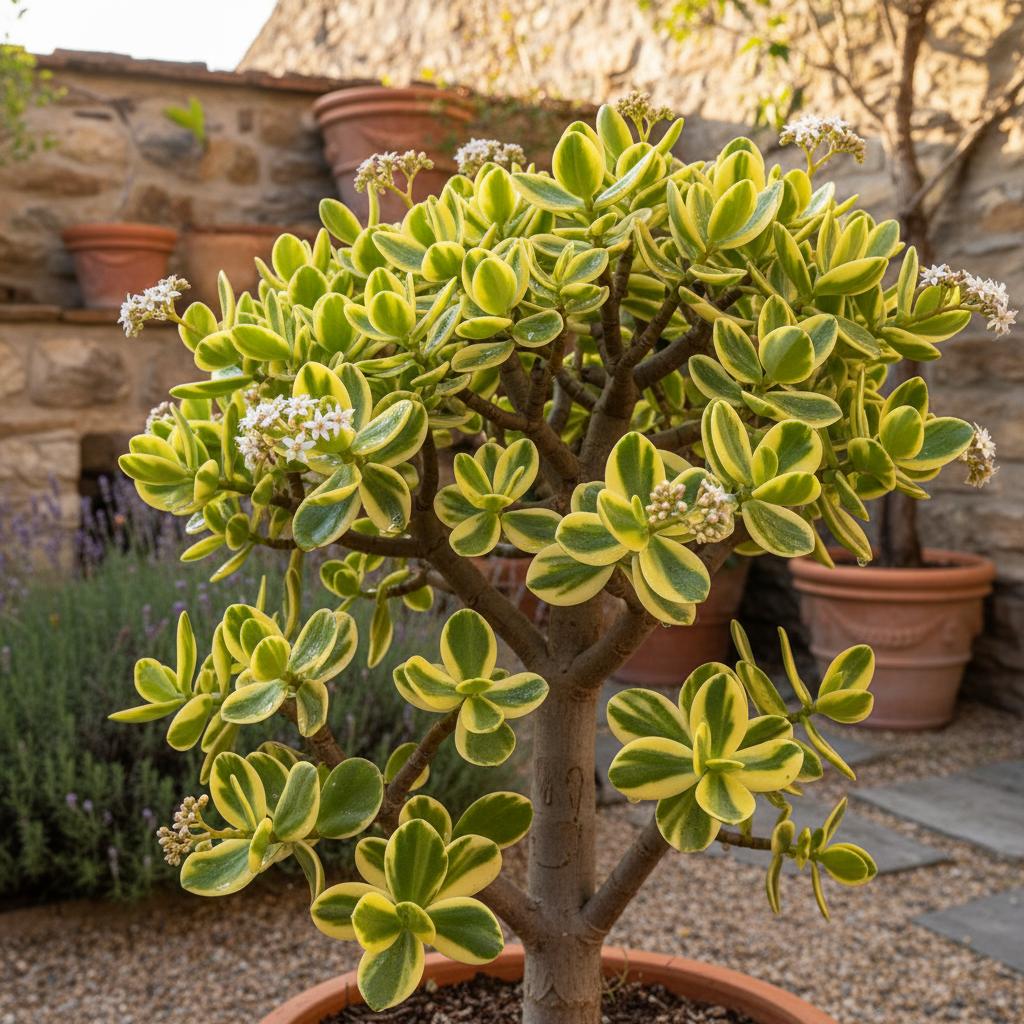
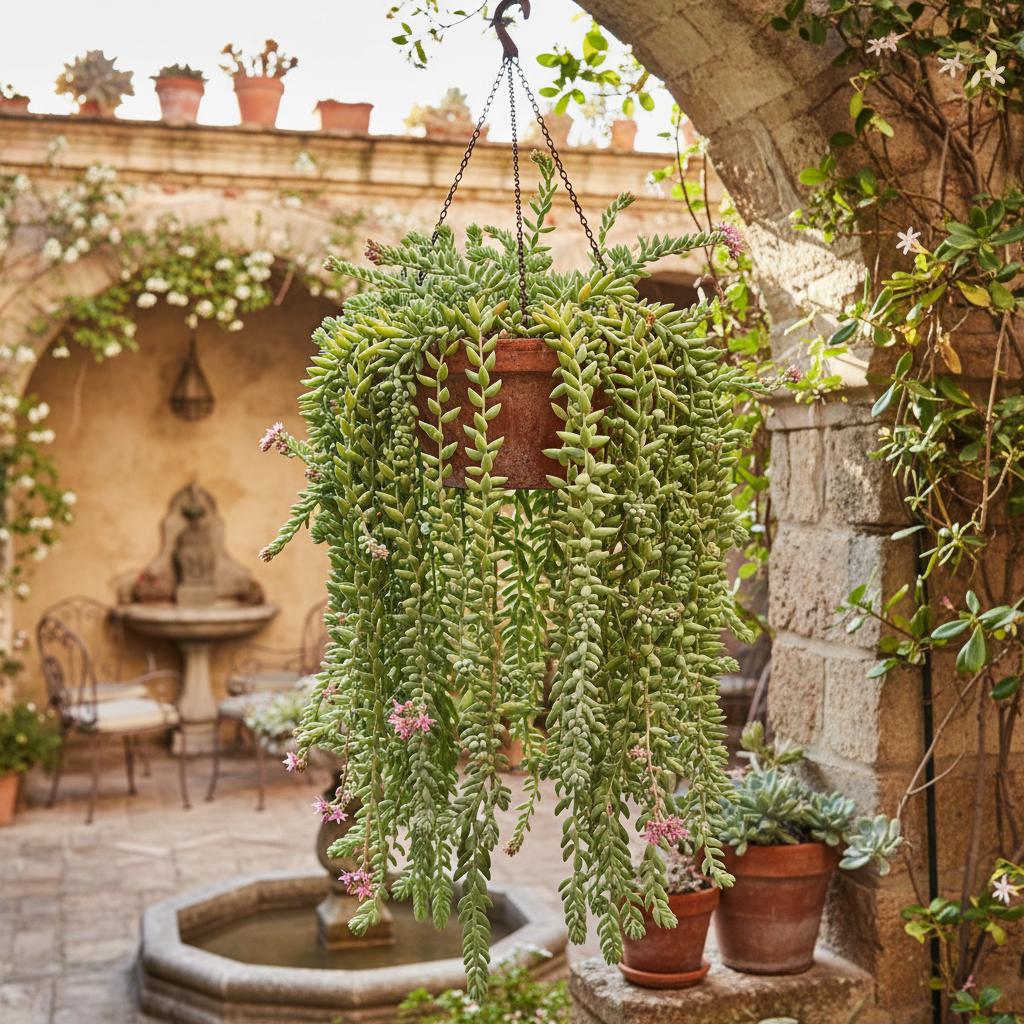
The following plants look similar and may be confused:
Related Toxic Plants

Download PlantFun App
Identify, grow and care for plants effectively!
Instant Plant ID
Take a photo to quickly identify plants.
Smart Care Reminders
Generate watering and care schedules.
Toxicity & Disease Diagnosis
Identify toxic plants and pests with treatment advice.

Data Sources
This information is for reference only and does not constitute medical advice. If ingestion or poisoning is suspected, seek medical or veterinary attention immediately.