 PlantFun
Black Walnut Toxic?
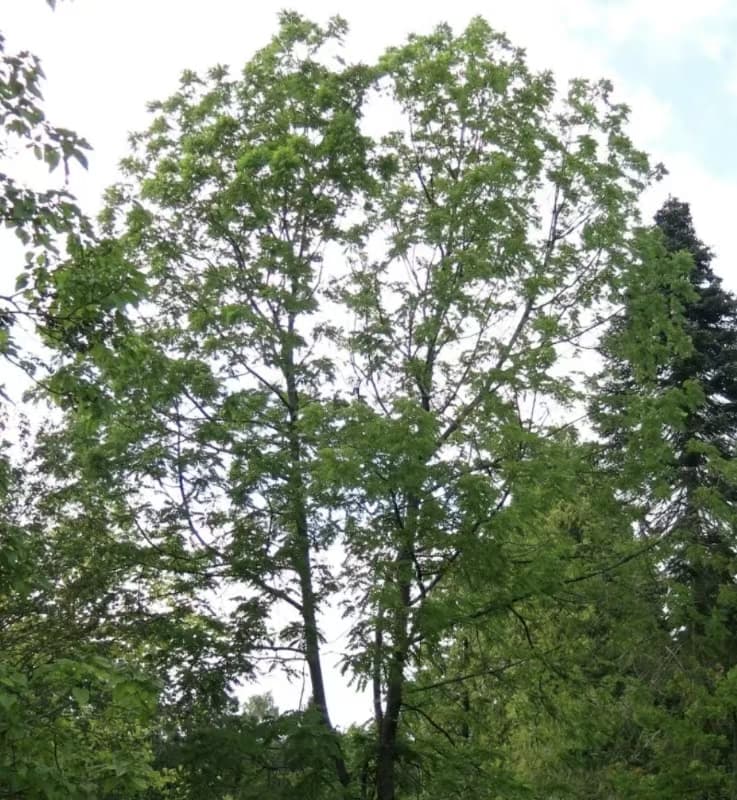
Non-toxic to cats, but confirmed toxic to dogs and horses per ASPCA data
Moldy nut hulls, wood shavings and sawdust are the highest-risk toxic parts
Canine mold-related toxicity has 15 minute to 3 hour onset, with recovery in 12-48 hours
FAQ
Is Black Walnut toxic to Humans?
No confirmed human toxicity cases reported; large ingestion of green hulls may cause mild gastrointestinal irritation (Non-toxic)
Is Black Walnut toxic to Cats?
No known toxicity, no associated adverse symptoms recorded (Non-toxic)
Is Black Walnut toxic to Dogs?
Salivation, vomiting, weakness, ataxia, hyperthermia, tremors, tonic-clonic seizures, hyperesthesia, incoordination from shaving ingestion (Moderate)
Is Black Walnut toxic to Horses?
Laminitis, colic, gastrointestinal irritation from large intake of green hulls or leaves (Moderate)
Toxicity Details
No confirmed human toxicity cases reported; large ingestion of green hulls may cause mild gastrointestinal irritation
No known toxicity, no associated adverse symptoms recorded
Salivation, vomiting, weakness, ataxia, hyperthermia, tremors, tonic-clonic seizures, hyperesthesia, incoordination from shaving ingestion
Laminitis, colic, gastrointestinal irritation from large intake of green hulls or leaves
Toxicity Snapshot
First Aid & Prevention
First 30 Minutes
- • Remove all remaining black walnut material or contaminated bedding from the animal's environment immediately
- • Induce vomiting only if ingestion occurred <2 hours prior and the animal is fully conscious
- • Administer activated charcoal if available to reduce toxin absorption, unless the animal is seizuring
Contact Vet Immediately
- • Dog shows tremors, seizures, incoordination or vomiting after exposure to black walnut material
- • Horse shows signs of laminitis, colic or unexplained lameness after exposure to black walnut shavings
- • Any animal displays persistent abnormal symptoms within 6 hours of suspected exposure
Prevention
- • Never use black walnut shavings as bedding for dogs or horses
- • Dispose of moldy black walnut hulls and nuts away from pet and livestock access areas
- • Regularly inspect pastures, enclosures and bedding for black walnut plant material
Treatment & Prognosis
- • Perform decontamination (emesis, activated charcoal administration) as clinically appropriate
- • Administer Diazepam or Propofol to dogs experiencing seizures or severe tremors
- • Prescribe non-steroidal anti-inflammatory drugs for horses presenting with laminitis
- • Provide supportive care (fluid therapy, temperature regulation) until symptoms resolve
Professional Toxicology
• Tremorgenic mycotoxins from mold growing on hulls/nuts cause neurological dysfunction in dogs
• Ellagitannins in leaves and green hulls trigger gastrointestinal irritation if ingested in large volumes
• Compounds in black walnut heartwood extracts disrupt hoof vascular function to cause laminitis in horses
Information from CliniTox veterinary text.
The following plants look similar and may be confused:
Related Toxic Plants



Download PlantFun App
Identify, grow and care for plants effectively!
Instant Plant ID
Take a photo to quickly identify plants.
Smart Care Reminders
Generate watering and care schedules.
Toxicity & Disease Diagnosis
Identify toxic plants and pests with treatment advice.

Data Sources
This information is for reference only and does not constitute medical advice. If ingestion or poisoning is suspected, seek medical or veterinary attention immediately.