 PlantFun
Black Henbane Toxic?
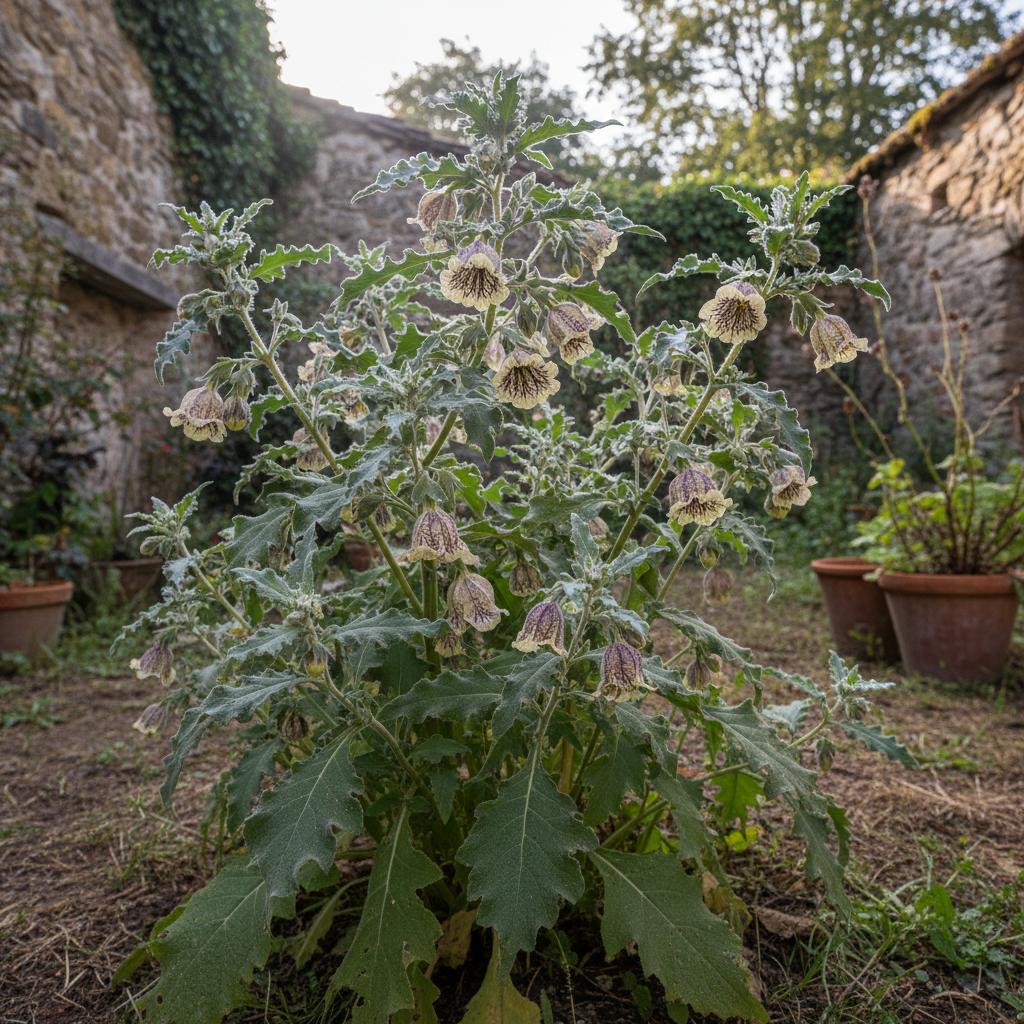
All plant parts are toxic, especially roots and seeds, with toxicity retained even in dried fodder
Poisoning causes severe anticholinergic symptoms including convulsions, paralysis, and cardiac/respiratory abnormalities
Morphine or opiate medications are contraindicated for treatment due to dangerous synergistic effects
FAQ
Is Black Henbane toxic to Humans?
Anticholinergic syndrome: restlessness, dilated pupils, tachycardia, respiratory distress, convulsions, hallucinations, paralysis in severe cases (Severe)
Is Black Henbane toxic to Cats?
No species-specific data available, expected to present anticholinergic symptoms including dilated pupils, tachycardia, seizures, respiratory distress (High)
Is Black Henbane toxic to Dogs?
No species-specific data available, expected to show anticholinergic effects: dilated pupils, elevated heart rate, agitation, convulsions, potential paralysis (High)
Is Black Henbane toxic to Horses?
Rapid breathing, mania/excitability, increased thirst, constipation, paralysis (Severe)
Toxicity Details
Anticholinergic syndrome: restlessness, dilated pupils, tachycardia, respiratory distress, convulsions, hallucinations, paralysis in severe cases
No species-specific data available, expected to present anticholinergic symptoms including dilated pupils, tachycardia, seizures, respiratory distress
No species-specific data available, expected to show anticholinergic effects: dilated pupils, elevated heart rate, agitation, convulsions, potential paralysis
Rapid breathing, mania/excitability, increased thirst, constipation, paralysis
Toxicity Snapshot
First Aid & Prevention
First 30 Minutes
- • Induce vomiting only if ingestion occurred within 1 hour and the affected individual is fully conscious
- • Administer activated charcoal to absorb unprocessed toxins if no contraindications exist
- • Move the affected individual to a quiet, low-light space to reduce agitation and overstimulation
Contact Vet Immediately
- • Immediately if any henbane ingestion is confirmed or suspected, even before symptoms appear
- • If symptoms like dilated pupils, convulsions, abnormal heart rate or breathing difficulties develop
- • If the affected individual loses consciousness, seizes, or shows signs of paralysis
Prevention
- • Avoid planting henbane in areas accessible to children, pets or livestock
- • Carefully verify identity of foraged roots and seeds before consumption to avoid accidental ingestion
- • Regularly inspect hay and fodder supplies to remove henbane contamination
Treatment & Prognosis
- • Medical/veterinary supervised decontamination procedures
- • Symptomatic supportive care tailored to presented symptoms
- • Administration of physostigmine as prescribed by a licensed professional
- • Avoid all morphine or opiate-containing products to prevent dangerous synergistic reactions
Professional Toxicology
• Contains tropane alkaloids that act as acetylcholine antagonists, disrupting normal nervous system signaling
Information from CliniTox veterinary text.
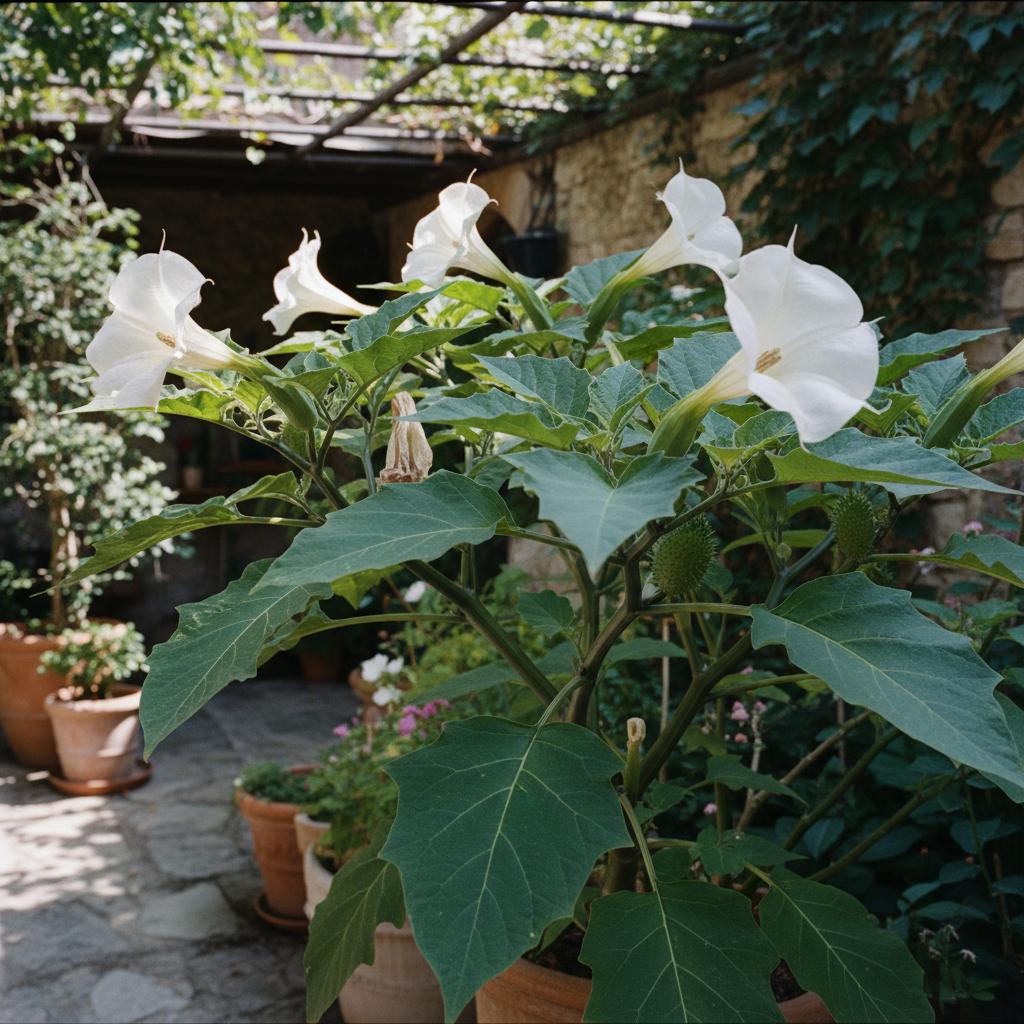
The following plants look similar and may be confused:
Related Toxic Plants


Download PlantFun App
Identify, grow and care for plants effectively!
Instant Plant ID
Take a photo to quickly identify plants.
Smart Care Reminders
Generate watering and care schedules.
Toxicity & Disease Diagnosis
Identify toxic plants and pests with treatment advice.

Data Sources
This information is for reference only and does not constitute medical advice. If ingestion or poisoning is suspected, seek medical or veterinary attention immediately.