 PlantFun
Bigleaf hydrangea Toxic?
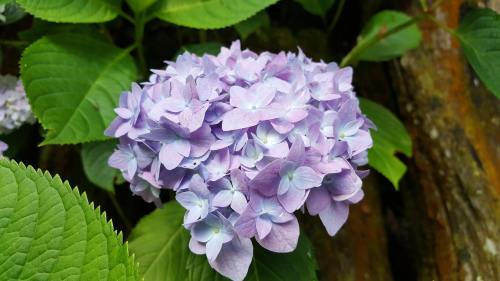
All parts of the bigleaf hydrangea plant contain toxic compounds including cyanogenic glycosides, terpenes, and dihydroisocoumarins.
Ingestion typically causes only mild, self-limiting gastrointestinal symptoms in humans and most animal species.
Severe systemic poisoning is extremely rare, as the concentration of toxic cyanide-producing compounds is very low in the plant.
FAQ
Is Bigleaf hydrangea toxic to Humans?
May cause hypersalivation, nausea, vomiting, diarrhea, and mild abdominal pain; severe toxicity is not documented from typical small ingestions. (Low)
Is Bigleaf hydrangea toxic to Cats?
Hypersalivation, vomiting, diarrhea (Low)
Is Bigleaf hydrangea toxic to Dogs?
Hypersalivation, vomiting, diarrhea (Low)
Is Bigleaf hydrangea toxic to Horses?
No specific clinical symptoms documented; mild gastrointestinal distress including salivation and loose stool is possible if large amounts are ingested. (Low)
Toxicity Details
May cause hypersalivation, nausea, vomiting, diarrhea, and mild abdominal pain; severe toxicity is not documented from typical small ingestions.
Hypersalivation, vomiting, diarrhea
Hypersalivation, vomiting, diarrhea
No specific clinical symptoms documented; mild gastrointestinal distress including salivation and loose stool is possible if large amounts are ingested.
Toxicity Snapshot
First Aid & Prevention
First 30 Minutes
- • Remove any remaining plant material from the mouth of the affected person or animal immediately.
- • Rinse the mouth thoroughly with cool clean water to remove residual plant particles or sap.
- • Offer small sips of water to dilute irritants; do not induce vomiting unless explicitly directed by a medical or veterinary professional.
Contact Vet Immediately
- • Vomiting or diarrhea persists for more than 2 hours after ingestion.
- • Affected individual shows signs of lethargy, loss of appetite, or unusual behavioral changes post-exposure.
- • Large quantities of plant material are ingested by small children, small pets, or small livestock.
Prevention
- • Keep potted hydrangeas out of reach of young children, cats, and small dogs.
- • Label garden hydrangea plants to avoid accidental ingestion during gardening or foraging activities.
- • Wear disposable gloves when pruning hydrangeas to avoid mild skin irritation from sap contact.
Treatment & Prognosis
- • Supportive care including fluid therapy and anti-emetic medication to control vomiting and prevent dehydration.
- • Activated charcoal may be administered within 1 hour of large ingestions to bind remaining toxic compounds.
- • No specific antidote exists; symptoms typically resolve fully within 24 to 48 hours with appropriate supportive care.
Professional Toxicology
• Cyanogenic glycosides break down in the digestive tract to release small amounts of cyanide that irritate gastrointestinal mucosal linings.
• Terpene and dihydroisocoumarin compounds contribute to local inflammatory effects on the gut lining.
• Systemic cyanide toxicity does not occur under normal exposure conditions due to very low concentration of glycosides in the plant.
Information from CliniTox veterinary text.
The following plants look similar and may be confused:
Related Toxic Plants



Download PlantFun App
Identify, grow and care for plants effectively!
Instant Plant ID
Take a photo to quickly identify plants.
Smart Care Reminders
Generate watering and care schedules.
Toxicity & Disease Diagnosis
Identify toxic plants and pests with treatment advice.

Data Sources
This information is for reference only and does not constitute medical advice. If ingestion or poisoning is suspected, seek medical or veterinary attention immediately.