 PlantFun
Hosta Toxic?
Hosta is confirmed toxic to cats, dogs, and horses per ASPCA toxicology data, with saponins as the core toxic compound.
Ingestion of any part of the plant typically causes vomiting, diarrhea, and mild depression in affected animal species.
Widely grown as a shade ornamental plant, accidental access by indoor pets and grazing horses is a common exposure risk.
FAQ
Is Hosta toxic to Humans?
No confirmed severe human toxicity cases are documented; ingestion may cause mild, self-limiting nausea or diarrhea due to saponin content. (Low)
Is Hosta toxic to Cats?
Vomiting, diarrhea, general depression and lethargy (Moderate)
Is Hosta toxic to Dogs?
Vomiting, diarrhea, general depression and lethargy (Moderate)
Is Hosta toxic to Horses?
Vomiting, diarrhea, general depression and reduced appetite (Moderate)
Toxicity Details
No confirmed severe human toxicity cases are documented; ingestion may cause mild, self-limiting nausea or diarrhea due to saponin content.
Vomiting, diarrhea, general depression and lethargy
Vomiting, diarrhea, general depression and lethargy
Vomiting, diarrhea, general depression and reduced appetite
Toxicity Snapshot
First Aid & Prevention
First 30 Minutes
- • Remove all remaining Hosta plant material from the exposed animal's mouth, and restrict further access to the plant.
- • Offer small amounts of fresh water to dilute toxins if the animal is conscious and ingestion occurred within 10 minutes.
- • Do not induce vomiting unless explicitly instructed to do so by a licensed veterinarian.
Contact Vet Immediately
- • The animal has ingested any quantity of Hosta plant material, regardless of current symptom presentation.
- • The animal displays vomiting, diarrhea, lethargy, or loss of appetite after potential exposure to Hosta.
- • Symptoms persist for more than 2 hours after initial onset, or worsen over time.
Prevention
- • Keep indoor Hosta plants out of reach of cats and dogs, and fence off outdoor Hosta plantings in areas accessible to horses.
- • Label ornamental Hosta plants clearly as toxic to pets and livestock to prevent accidental ingestion by caregivers or animals.
- • Train household pets not to chew on unknown house or garden plants to reduce general toxic plant exposure risk.
Treatment & Prognosis
- • Supportive care including electrolyte fluid therapy to correct dehydration caused by persistent vomiting and diarrhea.
- • Administration of anti-emetics and gastrointestinal protectants to reduce GI discomfort and prevent mucosal damage.
- • 24 to 48 hours of vital sign monitoring until all clinical signs fully resolve, as most cases recover fully with prompt care.
Professional Toxicology
• Saponins in plant tissue irritate the mucosal lining of the gastrointestinal tract, directly triggering vomiting and diarrhea.
• Mild systemic absorption of saponins leads to temporary suppression of central nervous system function, causing depression and lethargy.
Information from CliniTox veterinary text.
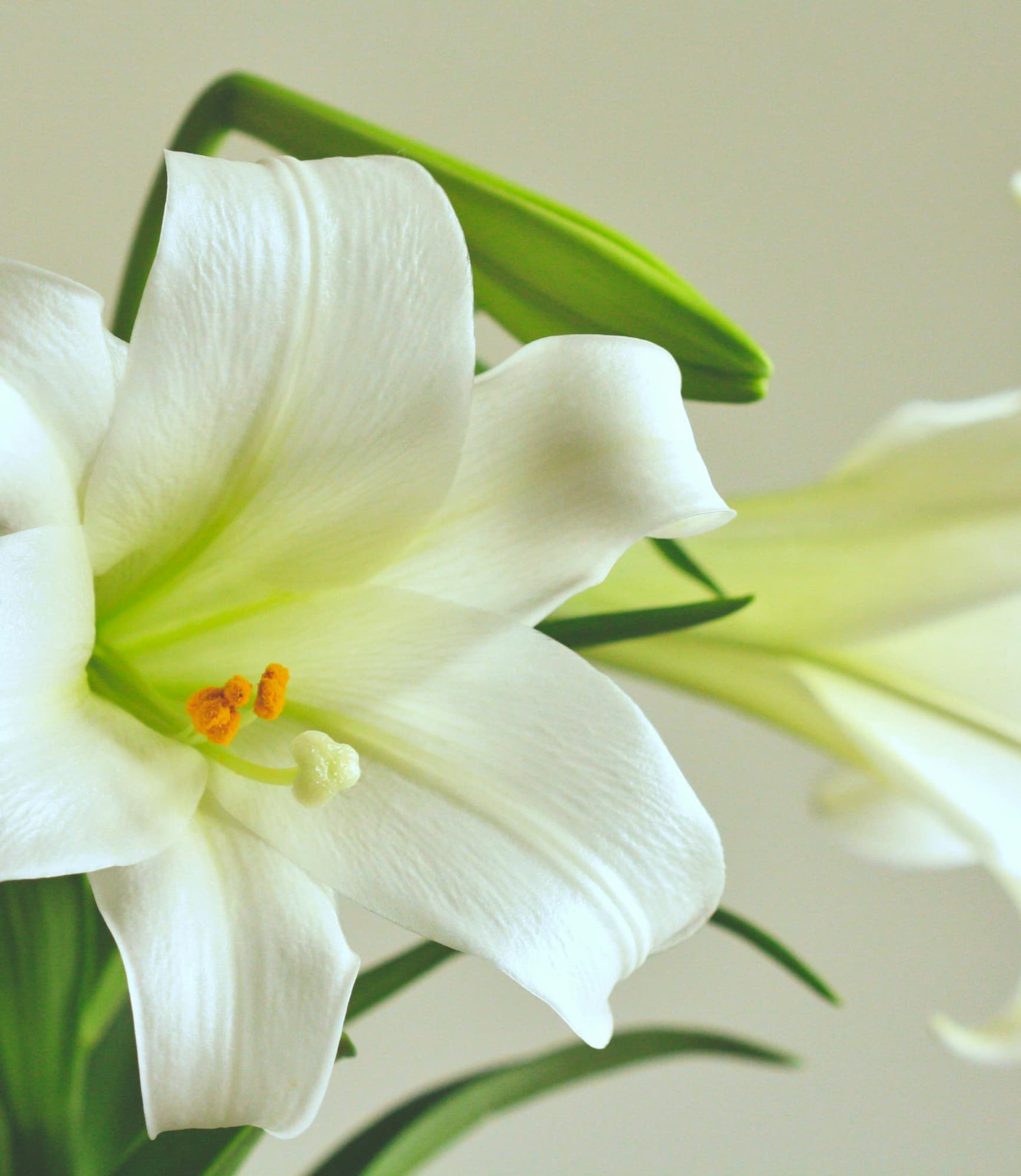
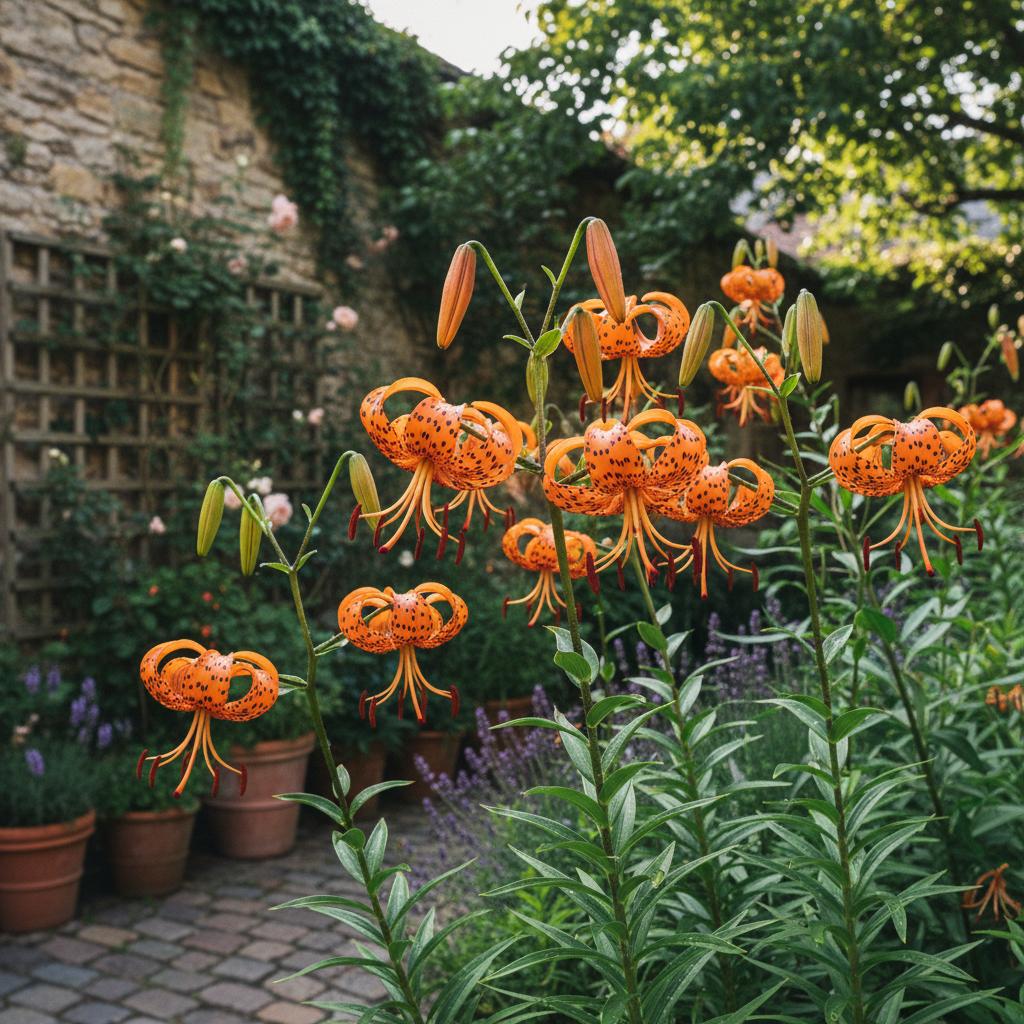
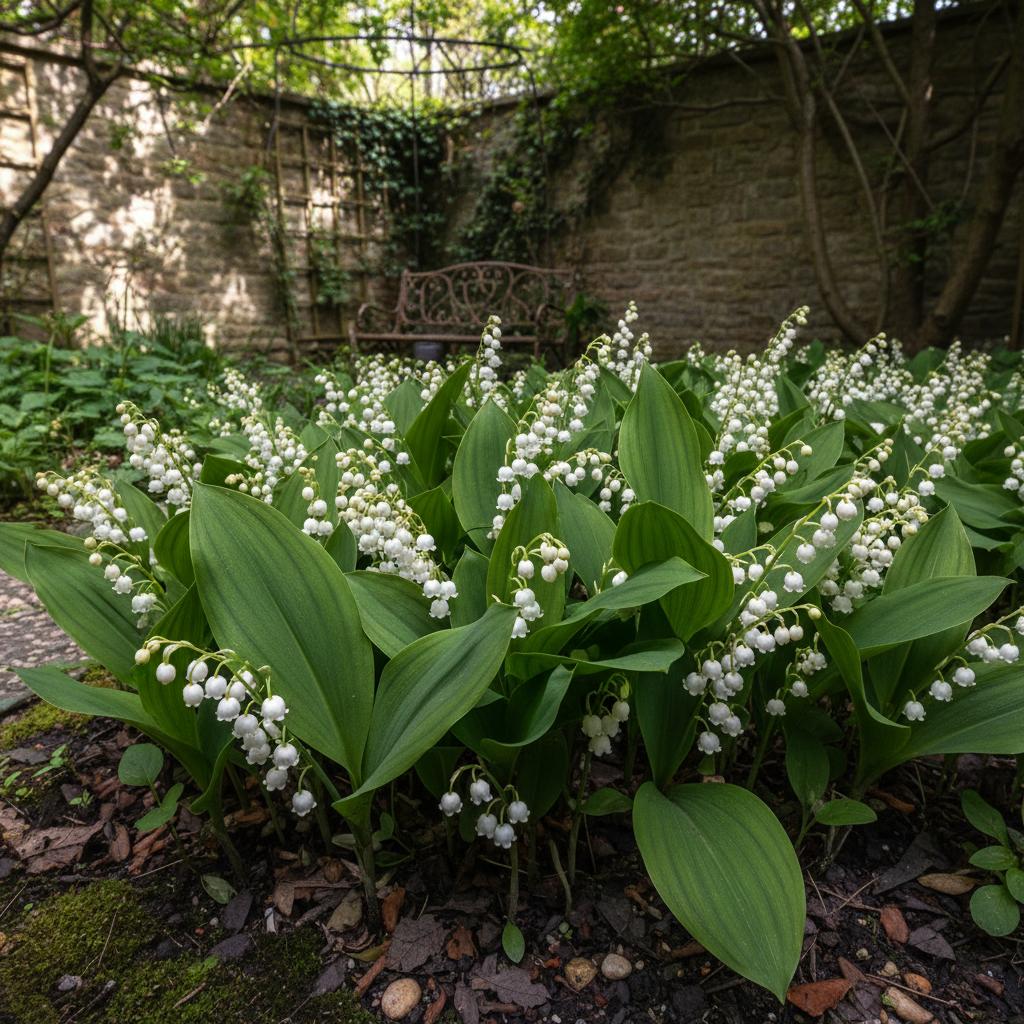
The following plants look similar and may be confused:
Related Toxic Plants
Download PlantFun App
Identify, grow and care for plants effectively!
Instant Plant ID
Take a photo to quickly identify plants.
Smart Care Reminders
Generate watering and care schedules.
Toxicity & Disease Diagnosis
Identify toxic plants and pests with treatment advice.

Data Sources
This information is for reference only and does not constitute medical advice. If ingestion or poisoning is suspected, seek medical or veterinary attention immediately.