 PlantFun
Day Lilies Toxic?
All varieties of Hemerocallis spp. are highly toxic to cats even if only small amounts are ingested
Day lilies are confirmed non-toxic to dogs, so no adverse effects are expected from canine exposure
The specific toxic principle in day lilies remains uncharacterized per official ASPCA data
FAQ
Is Day Lilies toxic to Humans?
No confirmed toxicity reports for human ingestion are available as of current research (Non-toxic)
Is Day Lilies toxic to Cats?
Vomiting, inappetence, lethargy, progressive kidney failure, and potentially fatal outcomes (Severe)
Is Day Lilies toxic to Dogs?
No known toxic effects associated with day lily ingestion per available clinical data (Non-toxic)
Is Day Lilies toxic to Horses?
No confirmed clinical signs of poisoning reported, toxicity risk remains unknown (Unknown)
Toxicity Details
No confirmed toxicity reports for human ingestion are available as of current research
Vomiting, inappetence, lethargy, progressive kidney failure, and potentially fatal outcomes
No known toxic effects associated with day lily ingestion per available clinical data
No confirmed clinical signs of poisoning reported, toxicity risk remains unknown
Toxicity Snapshot
First Aid & Prevention
First 30 Minutes
- • If a cat ingests day lily material, immediately remove all remaining plant parts from the cat's mouth, fur, and surrounding area
- • Collect a sample of the ingested plant for accurate veterinary identification
- • Contact a veterinary professional immediately, do not wait for symptoms to appear before seeking care
Contact Vet Immediately
- • Any confirmed or suspected day lily ingestion by a cat, even if no symptoms are visible
- • A cat displays vomiting, reduced appetite, or lethargy after potential exposure to day lilies
- • A cat with access to day lilies shows signs of reduced urination or abnormal kidney function
Prevention
- • Do not grow day lilies in homes or yards that are accessible to cats
- • Inspect all cut flower bouquets for day lily blooms before bringing them into a household with cats
- • Educate all household members on the severe, potentially fatal risk of day lilies to feline pets
Treatment & Prognosis
- • Veterinary decontamination via induced vomiting and activated charcoal administration to reduce toxin absorption
- • 24 to 72 hours of intravenous fluid therapy to support kidney function and prevent permanent renal damage
- • Symptomatic supportive care for vomiting, dehydration, and other presenting clinical signs
Professional Toxicology
• Exact toxic mechanism is not yet identified, but the unknown toxin rapidly targets feline renal function leading to acute tubular necrosis
Information from CliniTox veterinary text.
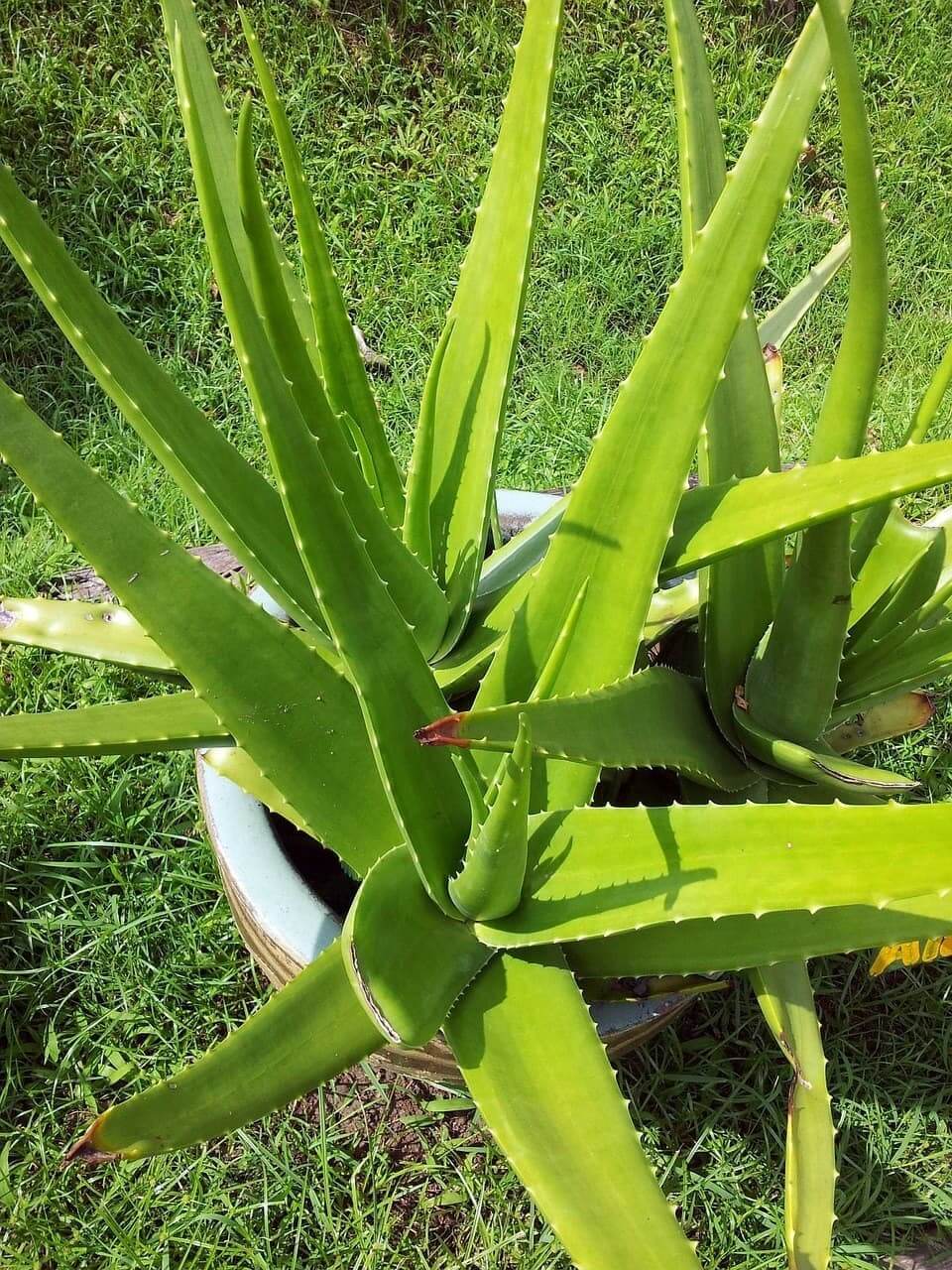
The following plants look similar and may be confused:
Related Toxic Plants


Download PlantFun App
Identify, grow and care for plants effectively!
Instant Plant ID
Take a photo to quickly identify plants.
Smart Care Reminders
Generate watering and care schedules.
Toxicity & Disease Diagnosis
Identify toxic plants and pests with treatment advice.

Data Sources
This information is for reference only and does not constitute medical advice. If ingestion or poisoning is suspected, seek medical or veterinary attention immediately.