 PlantFun
Aloe Toxic?
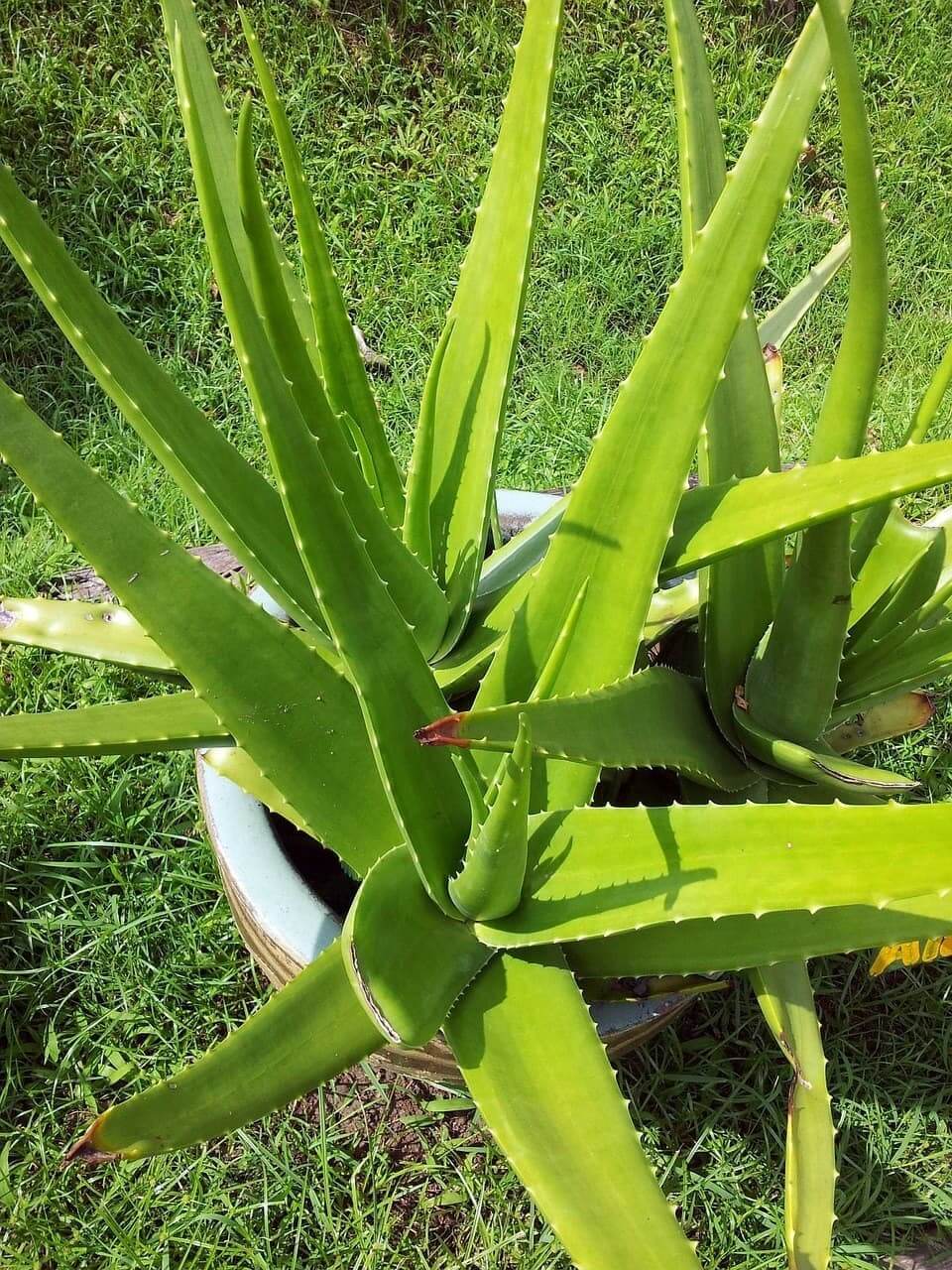
Only the purified inner gel of Aloe vera is edible for humans; all other plant tissues are toxic to common domestic animals.
Toxic compounds are concentrated in the plant sap, and ingestion causes gastrointestinal and urinary tract symptoms in affected animals.
Aloe vera is classified as moderately toxic to cats, dogs, and horses, requiring symptomatic care if ingested.
FAQ
Is Aloe toxic to Humans?
Ingestion of non-gel leaf parts may cause bloody diarrhea, frequent urination, and blood in urine; purified gel is generally safe (Low)
Is Aloe toxic to Cats?
Vomiting, lethargy, diarrhea, bloody stool, increased urination, blood in urine (Moderate)
Is Aloe toxic to Dogs?
Vomiting, lethargy, diarrhea, bloody stool, increased urination, blood in urine (Moderate)
Is Aloe toxic to Horses?
Lethargy, diarrhea, bloody stool, increased urination, blood in urine (no vomiting reported) (Moderate)
Toxicity Details
Ingestion of non-gel leaf parts may cause bloody diarrhea, frequent urination, and blood in urine; purified gel is generally safe
Vomiting, lethargy, diarrhea, bloody stool, increased urination, blood in urine
Vomiting, lethargy, diarrhea, bloody stool, increased urination, blood in urine
Lethargy, diarrhea, bloody stool, increased urination, blood in urine (no vomiting reported)
Toxicity Snapshot
First Aid & Prevention
First 30 Minutes
- • Remove any remaining aloe plant material from the affected person/animal's mouth and rinse thoroughly with clean water
- • Do not induce vomiting unless explicitly instructed to do so by a veterinarian or poison control professional
- • Collect a sample of the ingested plant to confirm identification for medical care providers
Contact Vet Immediately
- • Your cat, dog, or horse has ingested any part of an aloe plant other than purified edible gel
- • You observe symptoms including vomiting, diarrhea, lethargy, bloody stool, or discolored urine after exposure
- • A child has ingested large quantities of unprocessed aloe leaf and shows signs of gastrointestinal distress
Prevention
- • Keep potted aloe plants out of reach of cats, dogs, and horses to avoid accidental ingestion
- • Clearly separate purified edible aloe gel products from whole unprocessed aloe leaves that contain toxic sap
- • Never feed unprocessed aloe plant material to pets or livestock under any circumstances
Treatment & Prognosis
- • Administer decontamination measures such as activated charcoal under professional guidance to reduce toxin absorption
- • Provide symptomatic care including fluid therapy, anti-diarrheal medication, and gastrointestinal support as needed
- • Monitor kidney function and urinary output for patients presenting with increased urination or blood in urine symptoms
Professional Toxicology
• Saponin compounds irritate gastrointestinal mucosal membranes and disrupt cellular function
• Anthraquinone derivatives (e.g. aloin) have strong laxative effects and may cause kidney tissue damage with high or prolonged exposure
Information from CliniTox veterinary text.
The following plants look similar and may be confused:
Related Toxic Plants

Download PlantFun App
Identify, grow and care for plants effectively!
Instant Plant ID
Take a photo to quickly identify plants.
Smart Care Reminders
Generate watering and care schedules.
Toxicity & Disease Diagnosis
Identify toxic plants and pests with treatment advice.

Data Sources
This information is for reference only and does not constitute medical advice. If ingestion or poisoning is suspected, seek medical or veterinary attention immediately.