 PlantFun
Lemon Day-Lily Toxic?

All parts of the lemon day-lily are toxic, with cats facing an extreme, potentially fatal poisoning risk, while no severe toxicity is confirmed for dogs or horses.
Cat ingestion first causes gastrointestinal symptoms that appear to resolve, before progressing to life-threatening kidney failure without prompt aggressive treatment.
The primary toxic compound is still unidentified, though saponins and the naphthalene derivative hemerocallin have been isolated from the plant.
FAQ
Is Lemon Day-Lily toxic to Humans?
No confirmed human toxicity cases are reported in available clinical data, but intentional ingestion is not advised. (Non-toxic)
Is Lemon Day-Lily toxic to Cats?
Phase 1 (1-3 hours post-ingestion): Vomiting, hypersalivation, loss of appetite, apathy, and lethargy. Gastrointestinal symptoms fade after 2-6 hours, creating a false impression of recovery. Phase 2 (12-30 hours post-ingestion): Excessive urination leading to dehydration by 18-30 hours. Without aggressive IV fluid therapy, anuric (no urine output) kidney failure develops 24-48 hours post-ingestion, with recurrent vomiting 30-72 hours post-ingestion. Severe uremia may trigger central nervous seizures, and exposure is potentially fatal if untreated. (Severe)
Is Lemon Day-Lily toxic to Dogs?
No specific severe toxicity reported in available data; mild, transient gastrointestinal upset may occur with large ingestion. (Low)
Is Lemon Day-Lily toxic to Horses?
No specific severe toxicity reported in available data; mild digestive discomfort may occur with large volume consumption. (Low)
Toxicity Details
No confirmed human toxicity cases are reported in available clinical data, but intentional ingestion is not advised.
Phase 1 (1-3 hours post-ingestion): Vomiting, hypersalivation, loss of appetite, apathy, and lethargy. Gastrointestinal symptoms fade after 2-6 hours, creating a false impression of recovery. Phase 2 (12-30 hours post-ingestion): Excessive urination leading to dehydration by 18-30 hours. Without aggressive IV fluid therapy, anuric (no urine output) kidney failure develops 24-48 hours post-ingestion, with recurrent vomiting 30-72 hours post-ingestion. Severe uremia may trigger central nervous seizures, and exposure is potentially fatal if untreated.
No specific severe toxicity reported in available data; mild, transient gastrointestinal upset may occur with large ingestion.
No specific severe toxicity reported in available data; mild digestive discomfort may occur with large volume consumption.
Toxicity Snapshot
First Aid & Prevention
First 30 Minutes
- • If a cat ingests any part of the plant, immediately induce vomiting if the animal is conscious and exposure occurred within the last 2 hours.
- • Administer activated charcoal to bind unabsorbed toxins remaining in the gastrointestinal tract.
- • Collect any remaining plant material to share with your veterinarian for formal identification.
Contact Vet Immediately
- • Any confirmed or suspected ingestion of the plant by a cat, even if no visible symptoms are present.
- • Appearance of vomiting, excessive salivation, lethargy, or unusual changes in urination frequency after exposure.
- • Signs of dehydration, reduced urine output, or seizures after potential plant exposure.
Prevention
- • Keep all Hemerocallis and Lilium species plants completely out of reach of cats in indoor and outdoor spaces accessible to cats.
- • Educate household members and visitors about the extreme risk of this plant to cats to avoid accidental introduction into the home.
- • Inspect all cut flower bouquets for daylily or lily components before bringing them into homes with resident cats.
Treatment & Prognosis
- • Early aggressive intravenous fluid therapy (NaCl solution, 2-3x standard maintenance requirement) administered within 24 hours of ingestion, continued for 1-3 days.
- • Decontamination procedures including vomiting induction and activated charcoal administration for recent, confirmed ingestions.
- • For cats in the anuric kidney failure phase, peritoneal lavage or hemodialysis is required to support kidney function and remove accumulated toxic metabolites.
Professional Toxicology
• Unidentified toxic metabolites accumulate in feline kidney tubular cells, causing irreversible necrosis and kidney failure without prompt intervention.
• Initial gastrointestinal irritation is likely linked to saponin compounds present in the above-ground parts of the plant.
• The naphthalene derivative hemerocallin may contribute to systemic organ toxicity in high exposure doses.
Information from CliniTox veterinary text.
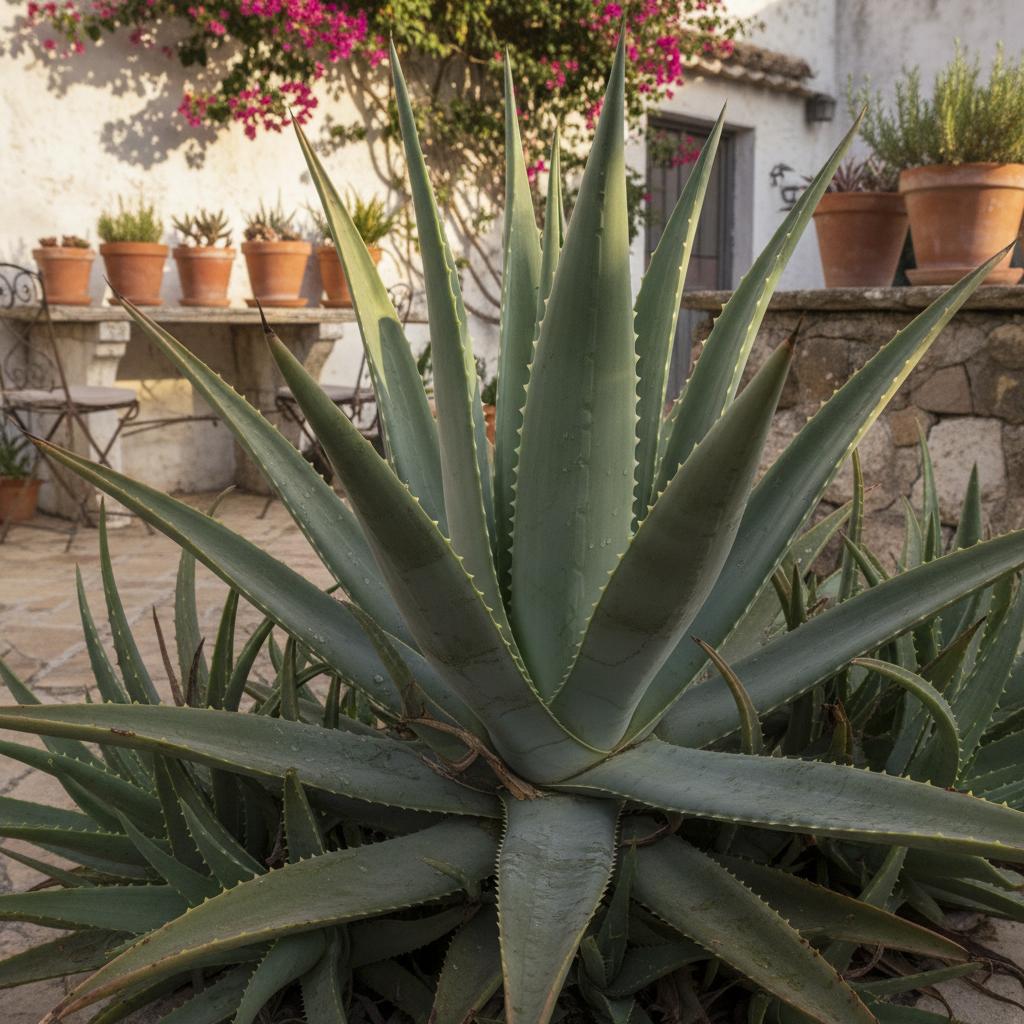
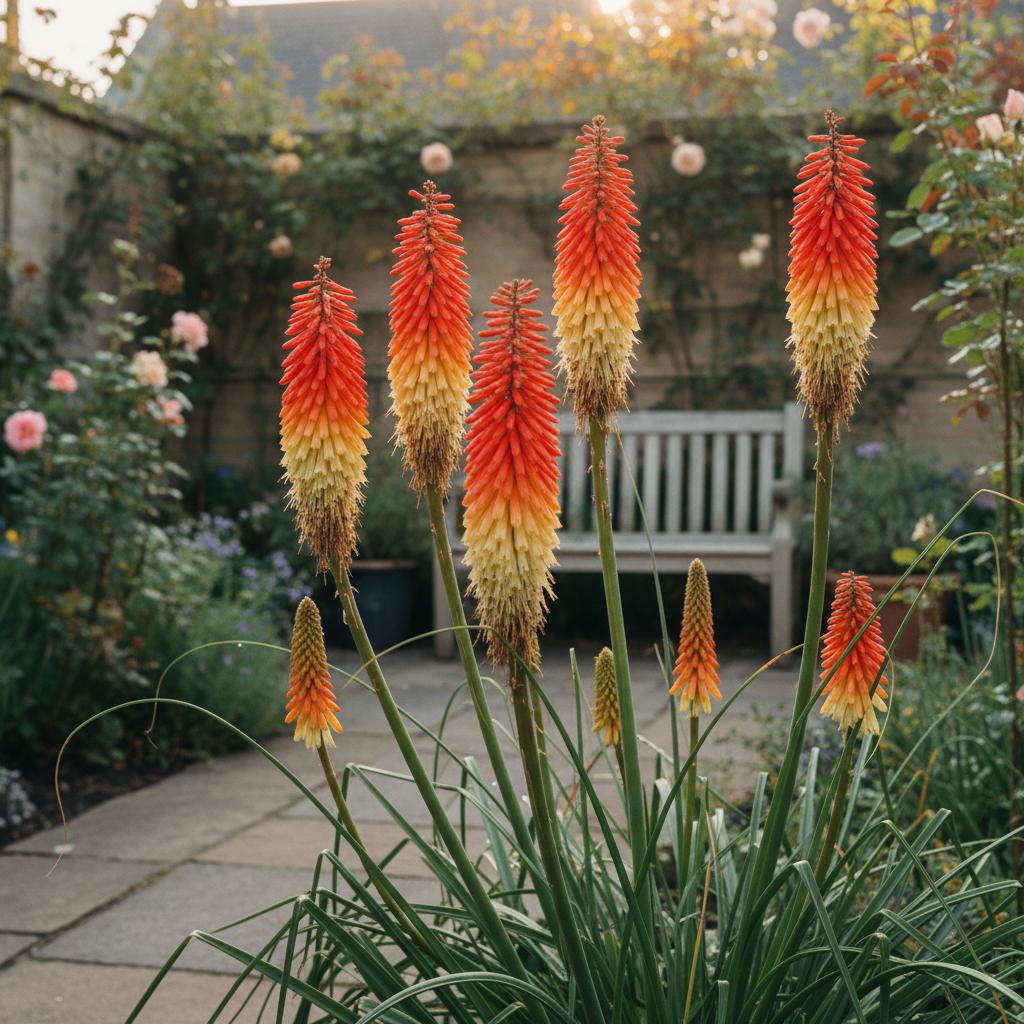
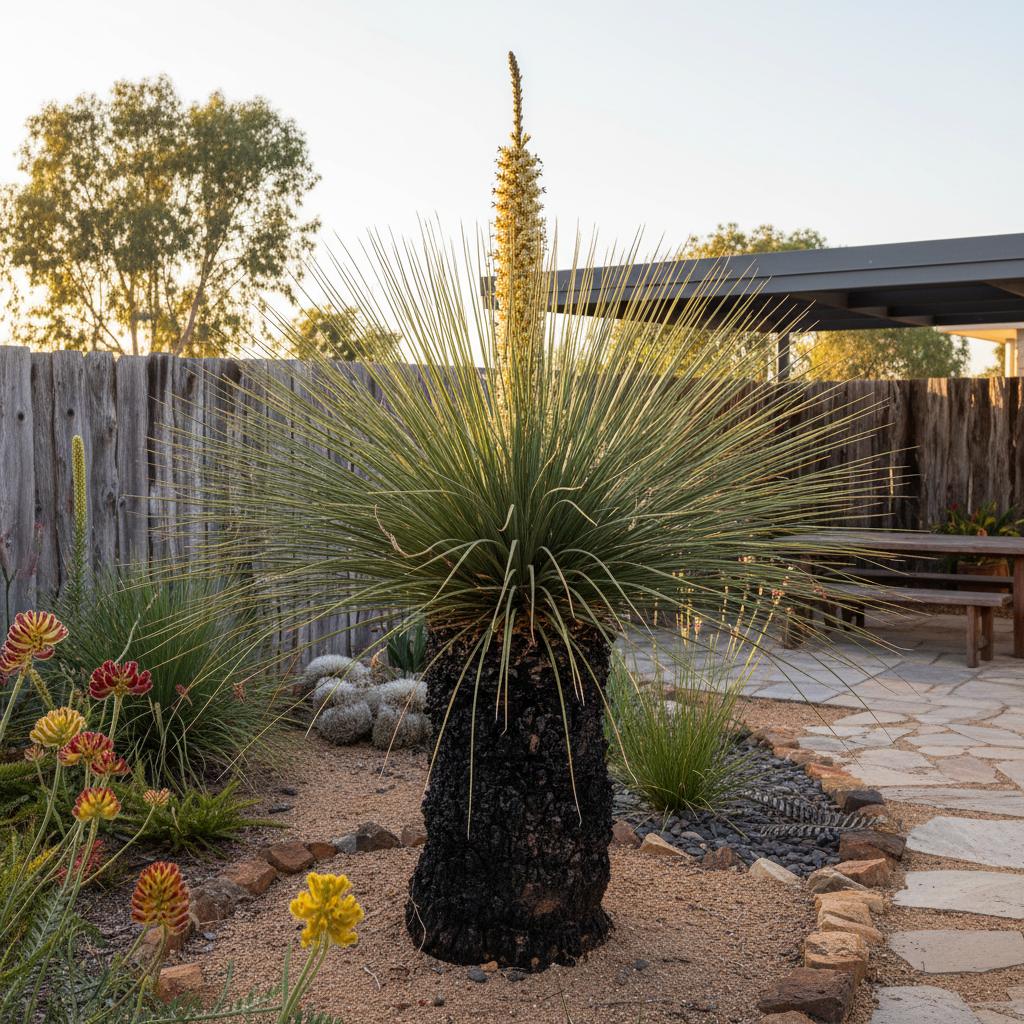
The following plants look similar and may be confused:
Related Toxic Plants
Download PlantFun App
Identify, grow and care for plants effectively!
Instant Plant ID
Take a photo to quickly identify plants.
Smart Care Reminders
Generate watering and care schedules.
Toxicity & Disease Diagnosis
Identify toxic plants and pests with treatment advice.

Data Sources
This information is for reference only and does not constitute medical advice. If ingestion or poisoning is suspected, seek medical or veterinary attention immediately.