 PlantFun
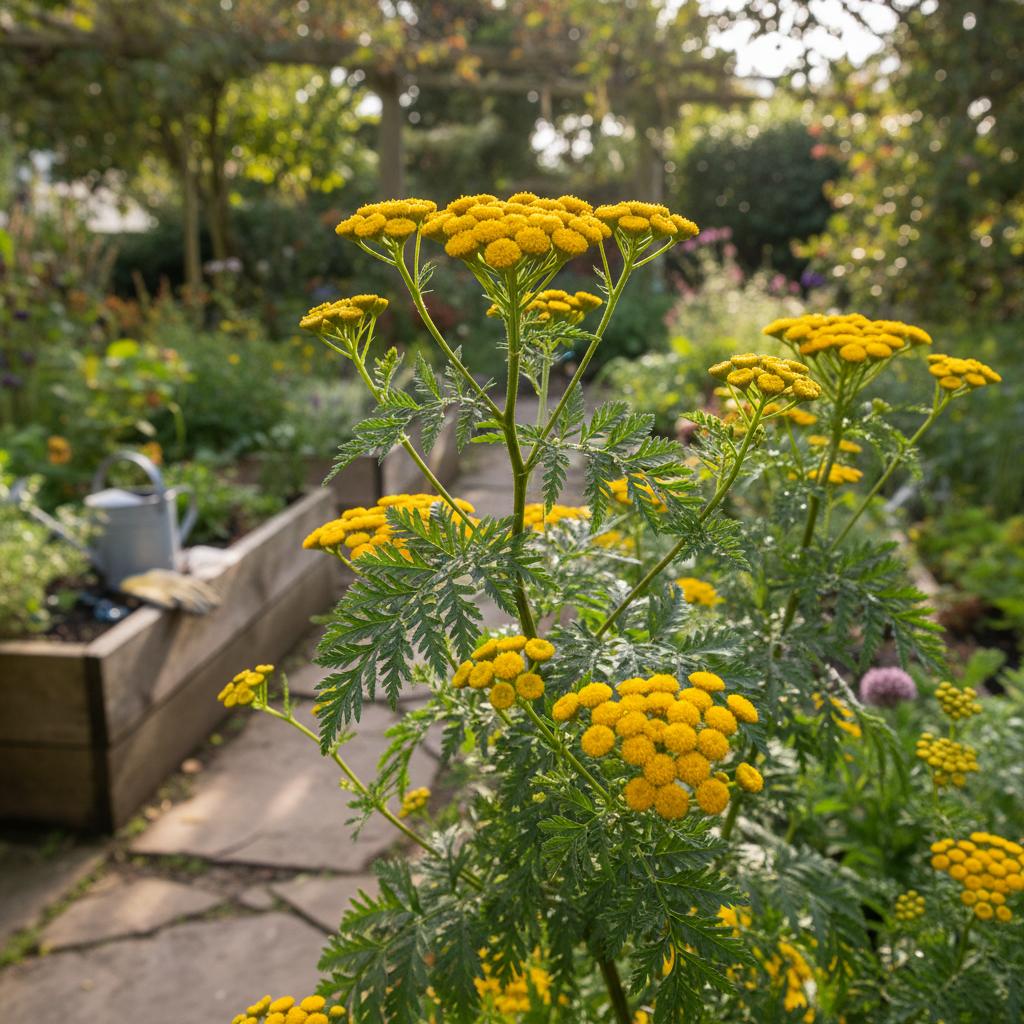
Stiff sunflower Toxic?
No confirmed animal or human poisoning cases from stiff sunflower have been documented in scientific literature to date.
All parts of the plant are formally deemed unsuitable for use as feed for any livestock or companion animal species.
It is often confused with both non-toxic and highly toxic related species from the Asteraceae plant family.
FAQ
Is Stiff sunflower toxic to Humans?
No confirmed poisoning symptoms documented in available clinical literature; consult a medical professional if large quantities are ingested. (Non-toxic)
Is Stiff sunflower toxic to Cats?
No confirmed feline poisoning symptoms documented in available clinical literature; consult a veterinarian if unusual symptoms develop post-ingestion. (Non-toxic)
Is Stiff sunflower toxic to Dogs?
No confirmed canine poisoning symptoms documented in available clinical literature; consult a veterinarian if unusual symptoms develop post-ingestion. (Non-toxic)
Is Stiff sunflower toxic to Horses?
No confirmed equine poisoning symptoms documented in available clinical literature; consult a veterinarian if unusual symptoms develop post-ingestion. (Non-toxic)
Toxicity Details
No confirmed poisoning symptoms documented in available clinical literature; consult a medical professional if large quantities are ingested.
No confirmed feline poisoning symptoms documented in available clinical literature; consult a veterinarian if unusual symptoms develop post-ingestion.
No confirmed canine poisoning symptoms documented in available clinical literature; consult a veterinarian if unusual symptoms develop post-ingestion.
No confirmed equine poisoning symptoms documented in available clinical literature; consult a veterinarian if unusual symptoms develop post-ingestion.
Toxicity Snapshot
First Aid & Prevention
First 30 Minutes
- • If ingested by a pet or livestock, rinse the mouth thoroughly with clean, cool water to remove remaining plant residue.
- • Remove all remaining stiff sunflower or potentially misidentified lookalike plants from the animal's access area immediately.
- • Monitor the exposed individual for unusual behavioral changes or gastrointestinal distress for 2 to 4 hours post-ingestion.
Contact Vet Immediately
- • If the exposed animal has ingested large quantities of the plant, or is a small companion herbivore.
- • If any adverse symptoms (vomiting, diarrhea, lethargy, loss of appetite) develop after exposure.
- • If you are uncertain if the ingested plant is stiff sunflower or a highly toxic lookalike species.
Prevention
- • Do not plant stiff sunflower in areas accessible to grazing livestock or free-roaming companion animals.
- • Never harvest or include this species in homemade animal feed, forage, or treat mixes for any species.
- • Learn to distinguish stiff sunflower from high-risk lookalikes such as toxic Cineraria plants.
Treatment & Prognosis
- • Supportive care based on presented symptoms if adverse effects occur post-exposure.
- • Gastrointestinal decontamination (e.g. activated charcoal) may be administered at a veterinarian's discretion for large ingestions.
- • Rule out exposure to more toxic lookalike species as part of standard diagnostic workup for suspected poisoning.
Professional Toxicology
• Toxicity mechanism is uncharacterized as no confirmed poisoning events have been documented for this species to date.
Information from CliniTox veterinary text.
The following plants look similar and may be confused:
Related Toxic Plants


Download PlantFun App
Identify, grow and care for plants effectively!
Instant Plant ID
Take a photo to quickly identify plants.
Smart Care Reminders
Generate watering and care schedules.
Toxicity & Disease Diagnosis
Identify toxic plants and pests with treatment advice.

Data Sources
This information is for reference only and does not constitute medical advice. If ingestion or poisoning is suspected, seek medical or veterinary attention immediately.