 PlantFun
Swamp Sunflower Toxic?
Swamp sunflower is confirmed non-toxic to cats, dogs, and horses per available toxicology data
No adverse toxic effects are expected from incidental ingestion or contact with this species
This plant is part of the Compositae family, which includes both toxic and non-toxic varieties
FAQ
Is Swamp Sunflower toxic to Humans?
No confirmed toxic symptoms reported in humans; incidental exposure is unlikely to cause harm (Non-toxic)
Is Swamp Sunflower toxic to Cats?
No toxic symptoms expected, as this species is confirmed non-toxic to cats (Non-toxic)
Is Swamp Sunflower toxic to Dogs?
No toxic symptoms expected, as this species is confirmed non-toxic to dogs (Non-toxic)
Is Swamp Sunflower toxic to Horses?
No toxic symptoms expected, as this species is confirmed non-toxic to horses (Non-toxic)
Toxicity Details
No confirmed toxic symptoms reported in humans; incidental exposure is unlikely to cause harm
No toxic symptoms expected, as this species is confirmed non-toxic to cats
No toxic symptoms expected, as this species is confirmed non-toxic to dogs
No toxic symptoms expected, as this species is confirmed non-toxic to horses
Toxicity Snapshot
First Aid & Prevention
First 30 Minutes
- • Rinse any remaining plant material from the mouth if large quantities were ingested
- • Wipe plant sap off skin or fur to reduce risk of mild non-toxic irritation in sensitive individuals
- • Monitor for 1-2 hours for rare idiosyncratic allergic reactions
Contact Vet Immediately
- • If your animal exhibits persistent vomiting, diarrhea, or lethargy after ingesting very large volumes of the plant
- • If you suspect the ingested plant was misidentified and is not swamp sunflower
- • If your pet has a documented history of severe plant allergies
Prevention
- • Confirm plant identification before allowing pets or livestock to graze near unknown Compositae species
- • Use clear plant markers for all ornamental garden plants to avoid accidental misidentification
- • Monitor sensitive individuals for mild allergic reactions to plant pollen or sap
Treatment & Prognosis
- • Provide supportive care only if mild allergic or gastrointestinal upset occurs from excessive ingestion
- • Administer antihistamines for confirmed allergic reactions only under medical/veterinary guidance
- • No specific anti-toxin is required, as no toxic compounds are present in this species
Professional Toxicology
• No toxic mechanism has been identified, as the plant does not produce phytochemicals that disrupt biological function in humans or common domestic animals
Information from CliniTox veterinary text.
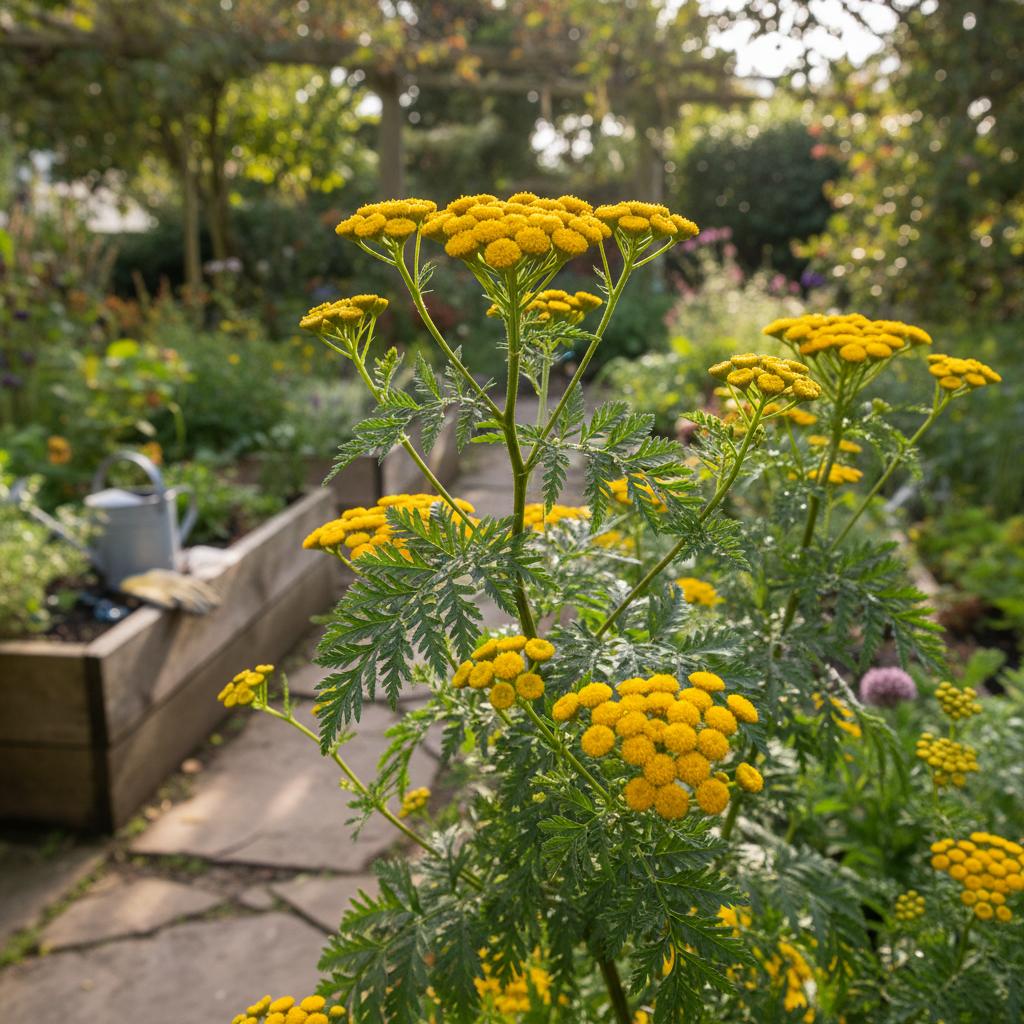
The following plants look similar and may be confused:
Related Toxic Plants

Download PlantFun App
Identify, grow and care for plants effectively!
Instant Plant ID
Take a photo to quickly identify plants.
Smart Care Reminders
Generate watering and care schedules.
Toxicity & Disease Diagnosis
Identify toxic plants and pests with treatment advice.

Data Sources
This information is for reference only and does not constitute medical advice. If ingestion or poisoning is suspected, seek medical or veterinary attention immediately.