 PlantFun
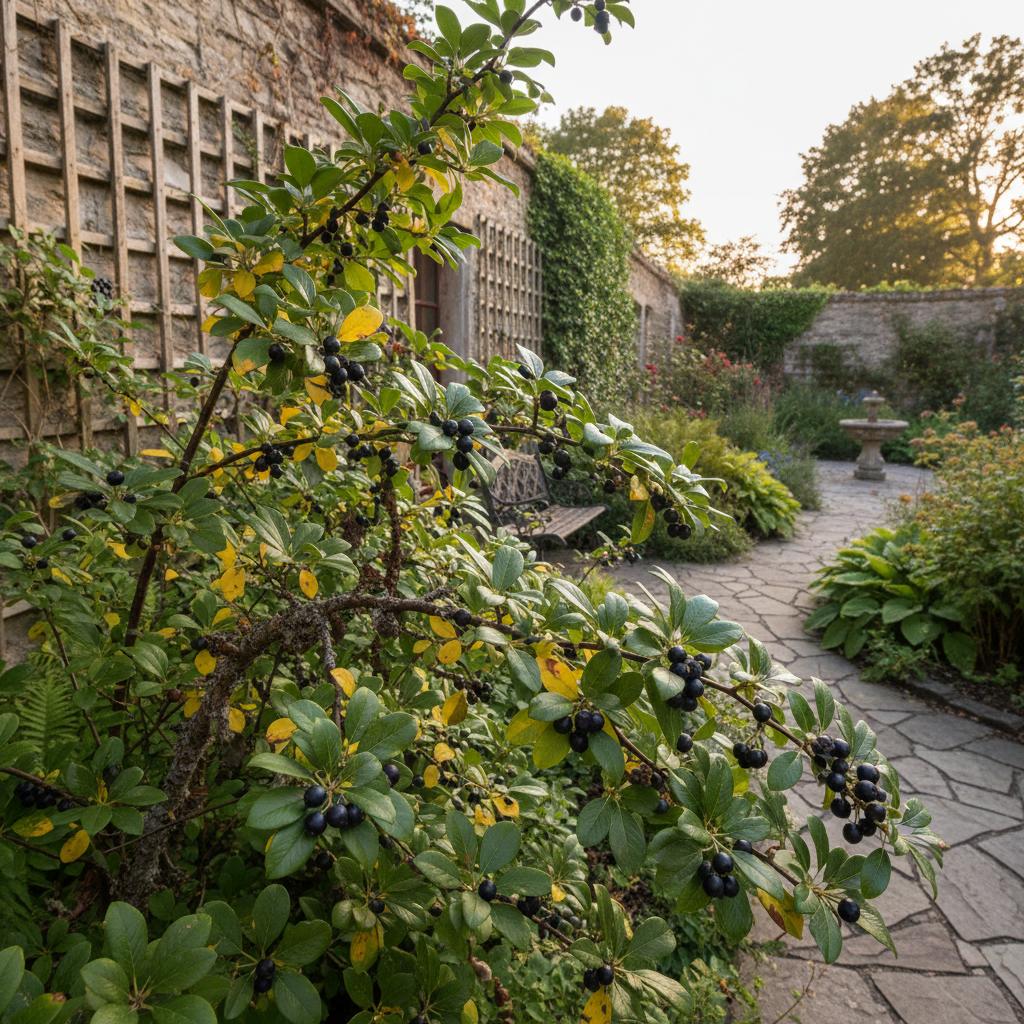
Cascara Sagrada Toxic?
All parts of Cascara Sagrada are highly toxic, with seeds carrying the highest risk of fatal outcomes
Ingestion leads to severe gastrointestinal distress, while contact causes skin and mucous membrane irritation
Horses are particularly susceptible to life-threatening diarrhea after eating the plant's leaves
FAQ
Is Cascara Sagrada toxic to Humans?
Nausea, vomiting, intestinal colic, diarrhea, skin and mucous membrane irritation; severe life-threatening diarrhea may occur, especially after seed ingestion (High)
Is Cascara Sagrada toxic to Cats?
No confirmed clinical toxicity data available; expected to cause gastrointestinal distress including vomiting and diarrhea if ingested (Moderate)
Is Cascara Sagrada toxic to Dogs?
No confirmed clinical toxicity data available; expected to cause gastrointestinal distress including vomiting and diarrhea if ingested (Moderate)
Is Cascara Sagrada toxic to Horses?
Severe, potentially fatal diarrhea after ingestion of plant leaves, leading to dangerous dehydration and electrolyte imbalance (High)
Toxicity Details
Nausea, vomiting, intestinal colic, diarrhea, skin and mucous membrane irritation; severe life-threatening diarrhea may occur, especially after seed ingestion
No confirmed clinical toxicity data available; expected to cause gastrointestinal distress including vomiting and diarrhea if ingested
No confirmed clinical toxicity data available; expected to cause gastrointestinal distress including vomiting and diarrhea if ingested
Severe, potentially fatal diarrhea after ingestion of plant leaves, leading to dangerous dehydration and electrolyte imbalance
Toxicity Snapshot
First Aid & Prevention
First 30 Minutes
- • Induce vomiting immediately if the exposed person/animal is conscious, not convulsing, and ingested plant material within the last 30 minutes
- • Rinse affected skin or eyes with cool running water for 10-15 minutes if exposed to plant sap or tissue
- • Collect any remaining plant material to confirm identity for medical/vet staff
Contact Vet Immediately
- • Any confirmed or suspected ingestion of the plant, especially seeds
- • Onset of vomiting, diarrhea, abdominal pain, or skin/mucous membrane irritation after exposure
- • Signs of dehydration including lethargy, dry gums, or reduced urination after exposure
Prevention
- • Remove this plant from yards, pastures, and areas accessible to children, pets, and livestock
- • Educate foragers to distinguish it from non-toxic edible plants before consuming wild foraged material
- • Avoid using unprocessed Cascara Sagrada as a home remedy without approval from a licensed medical provider
Treatment & Prognosis
- • Perform decontamination (e.g., activated charcoal administration) as soon as possible after ingestion to reduce toxin absorption
- • Provide symptomatic care including intravenous fluid replacement for diarrhea, anti-emetics for vomiting, and pain relief for abdominal cramping
- • Monitor electrolyte levels, kidney function, and vital signs closely in severe exposure cases to prevent fatal complications
Professional Toxicology
• Anthracene derivatives irritate the gastrointestinal mucosa, increasing peristalsis and causing severe diarrhea and fluid loss
• Alkaloid compounds contribute to skin and mucous membrane irritation and systemic toxicity
• Seed ingestion leads to extreme gastrointestinal irritation, potentially causing fatal dehydration and electrolyte imbalance
Information from CliniTox veterinary text.
The following plants look similar and may be confused:
Related Toxic Plants

Download PlantFun App
Identify, grow and care for plants effectively!
Instant Plant ID
Take a photo to quickly identify plants.
Smart Care Reminders
Generate watering and care schedules.
Toxicity & Disease Diagnosis
Identify toxic plants and pests with treatment advice.

Data Sources
This information is for reference only and does not constitute medical advice. If ingestion or poisoning is suspected, seek medical or veterinary attention immediately.