 PlantFun
Alder buckthorn Toxic?
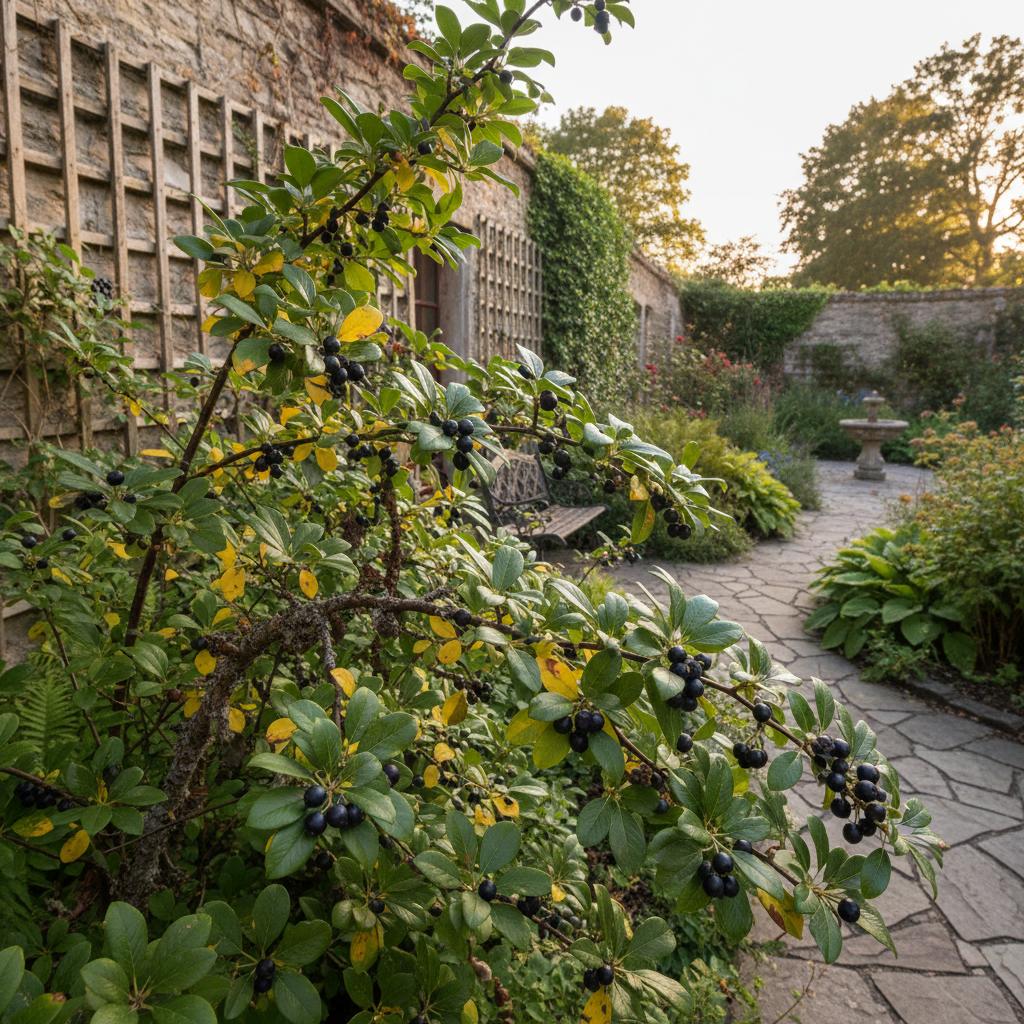
All parts of the plant are toxic, with seeds carrying the highest risk of fatal outcomes if consumed
Ingestion triggers severe gastrointestinal symptoms including violent diarrhea that can lead to death without treatment
Horses are known to develop severe, potentially life-threatening diarrhea after eating the plant's leaves
FAQ
Is Alder buckthorn toxic to Humans?
Nausea, vomiting, intestinal colic, diarrhea, skin and mucous membrane irritation, potentially fatal violent diarrhea especially after seed ingestion (High)
Is Alder buckthorn toxic to Cats?
No specific clinical data available; expected to cause gastrointestinal irritation, severe diarrhea, and systemic distress if ingested (Moderate)
Is Alder buckthorn toxic to Dogs?
No specific clinical data available; expected to cause intestinal colic, severe diarrhea, and mucous membrane irritation if ingested (Moderate)
Is Alder buckthorn toxic to Horses?
Severe diarrhea after ingestion of leaves, potentially leading to fatal dehydration and electrolyte imbalance (High)
Toxicity Details
Nausea, vomiting, intestinal colic, diarrhea, skin and mucous membrane irritation, potentially fatal violent diarrhea especially after seed ingestion
No specific clinical data available; expected to cause gastrointestinal irritation, severe diarrhea, and systemic distress if ingested
No specific clinical data available; expected to cause intestinal colic, severe diarrhea, and mucous membrane irritation if ingested
Severe diarrhea after ingestion of leaves, potentially leading to fatal dehydration and electrolyte imbalance
Toxicity Snapshot
First Aid & Prevention
First 30 Minutes
- • Rinse exposed skin or mucous membranes thoroughly with cool clean water immediately after contact
- • Induce vomiting only if the affected individual/animal is fully conscious, not convulsing, and ingested the plant within the last 30 minutes
- • Remove all remaining plant material from the mouth of the affected individual/animal
Contact Vet Immediately
- • If any amount of the plant, especially seeds, is ingested by a child, pet or livestock
- • If severe symptoms including violent diarrhea, colic, or lethargy appear after exposure
- • If a horse has known access to or suspected ingestion of the plant
Prevention
- • Remove wild Alder buckthorn growth from residential yards, pastures and areas accessible to children and animals
- • Educate foragers and gardeners to correctly identify the plant to avoid accidental ingestion or contact
- • Do not use the plant for home medicinal purposes under any circumstances
Treatment & Prognosis
- • Perform gastrointestinal decontamination as early as possible post-ingestion
- • Administer symptomatic care including fluid and electrolyte replacement to counteract dehydration from diarrhea
- • Provide anti-inflammatory support to reduce skin and mucous membrane irritation
Professional Toxicology
• Anthracene derivatives irritate the gastrointestinal mucosa, increasing peristalsis and fluid secretion leading to severe diarrhea
• Alkaloid compounds cause direct irritation of skin and mucous membranes, and contribute to systemic toxicity in high doses
Information from CliniTox veterinary text.
The following plants look similar and may be confused:
Related Toxic Plants

Download PlantFun App
Identify, grow and care for plants effectively!
Instant Plant ID
Take a photo to quickly identify plants.
Smart Care Reminders
Generate watering and care schedules.
Toxicity & Disease Diagnosis
Identify toxic plants and pests with treatment advice.

Data Sources
This information is for reference only and does not constitute medical advice. If ingestion or poisoning is suspected, seek medical or veterinary attention immediately.