 PlantFun
Strawberry Toxic?
Strawberry plants and ripe fruits are non-toxic to cats, dogs, and horses, so accidental small-volume ingestion causes no poisoning.
No species-specific toxic compounds have been identified in Fragaria spp. that present risk to the listed domestic animals.
While non-toxic, excessive intake may trigger mild temporary digestive upset in sensitive individuals due to high fiber and sugar content.
FAQ
Is Strawberry toxic to Humans?
No toxic symptoms from normal consumption; excessive intake may cause mild bloating, diarrhea, or allergic reaction in sensitive individuals. (Non-toxic)
Is Strawberry toxic to Cats?
No confirmed toxic symptoms; extremely rare mild loose stool or vomiting may occur after very large intake. (Non-toxic)
Is Strawberry toxic to Dogs?
No confirmed toxic symptoms; extremely rare mild loose stool or vomiting may occur after very large intake. (Non-toxic)
Is Strawberry toxic to Horses?
No confirmed toxic symptoms; rare mild loose stool may occur after consumption of large amounts of unripe fruit. (Non-toxic)
Toxicity Details
No toxic symptoms from normal consumption; excessive intake may cause mild bloating, diarrhea, or allergic reaction in sensitive individuals.
No confirmed toxic symptoms; extremely rare mild loose stool or vomiting may occur after very large intake.
No confirmed toxic symptoms; extremely rare mild loose stool or vomiting may occur after very large intake.
No confirmed toxic symptoms; rare mild loose stool may occur after consumption of large amounts of unripe fruit.
Toxicity Snapshot
First Aid & Prevention
First 30 Minutes
- • No first aid action is required if your pet ingests a small amount of strawberry.
- • If your pet consumes a very large quantity, monitor for mild digestive upset for 2 to 4 hours post-ingestion.
- • Offer small amounts of fresh water to reduce risk of dehydration if loose stool occurs.
Contact Vet Immediately
- • If your pet shows persistent vomiting, diarrhea, or lethargy lasting more than 12 hours after ingestion.
- • If your pet has a known food allergy history and shows signs of allergic reaction (hives, facial swelling, breathing difficulty).
- • If the ingested strawberries were unwashed and likely exposed to high levels of toxic pesticides or fertilizers.
Prevention
- • Wash strawberries thoroughly before offering to pets or livestock to remove residual pesticides and bacteria.
- • Limit strawberry intake to small, occasional treats to avoid digestive upset from high natural sugar and fiber content.
- • Keep unripe, moldy, or spoiled strawberries away from pets to prevent unrelated digestive illness.
Treatment & Prognosis
- • No targeted medical treatment is required for normal strawberry ingestion.
- • For mild digestive upset, provide supportive care including a 12 to 24 hour fast (for small pets) followed by a low-fat bland diet.
- • Treat confirmed allergic reactions with antihistamines or emergency care as prescribed by a veterinarian.
Professional Toxicology
• No toxic mechanism linked to Fragaria spp. consumption has been identified in humans or common domestic animals.
Information from CliniTox veterinary text.
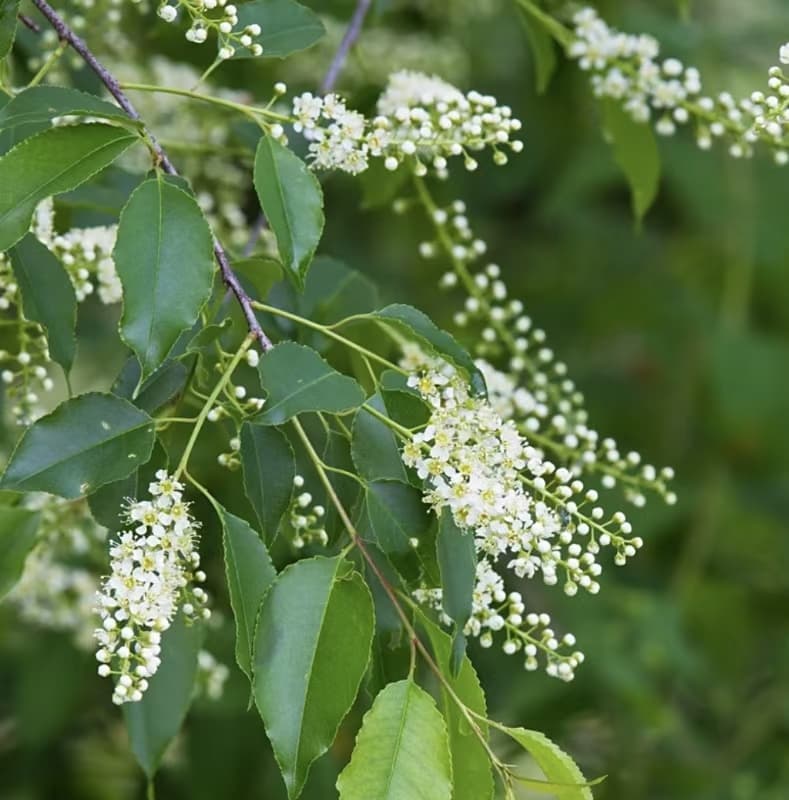
The following plants look similar and may be confused:
Related Toxic Plants


Download PlantFun App
Identify, grow and care for plants effectively!
Instant Plant ID
Take a photo to quickly identify plants.
Smart Care Reminders
Generate watering and care schedules.
Toxicity & Disease Diagnosis
Identify toxic plants and pests with treatment advice.

Data Sources
This information is for reference only and does not constitute medical advice. If ingestion or poisoning is suspected, seek medical or veterinary attention immediately.