 PlantFun
Persian Violet Toxic?
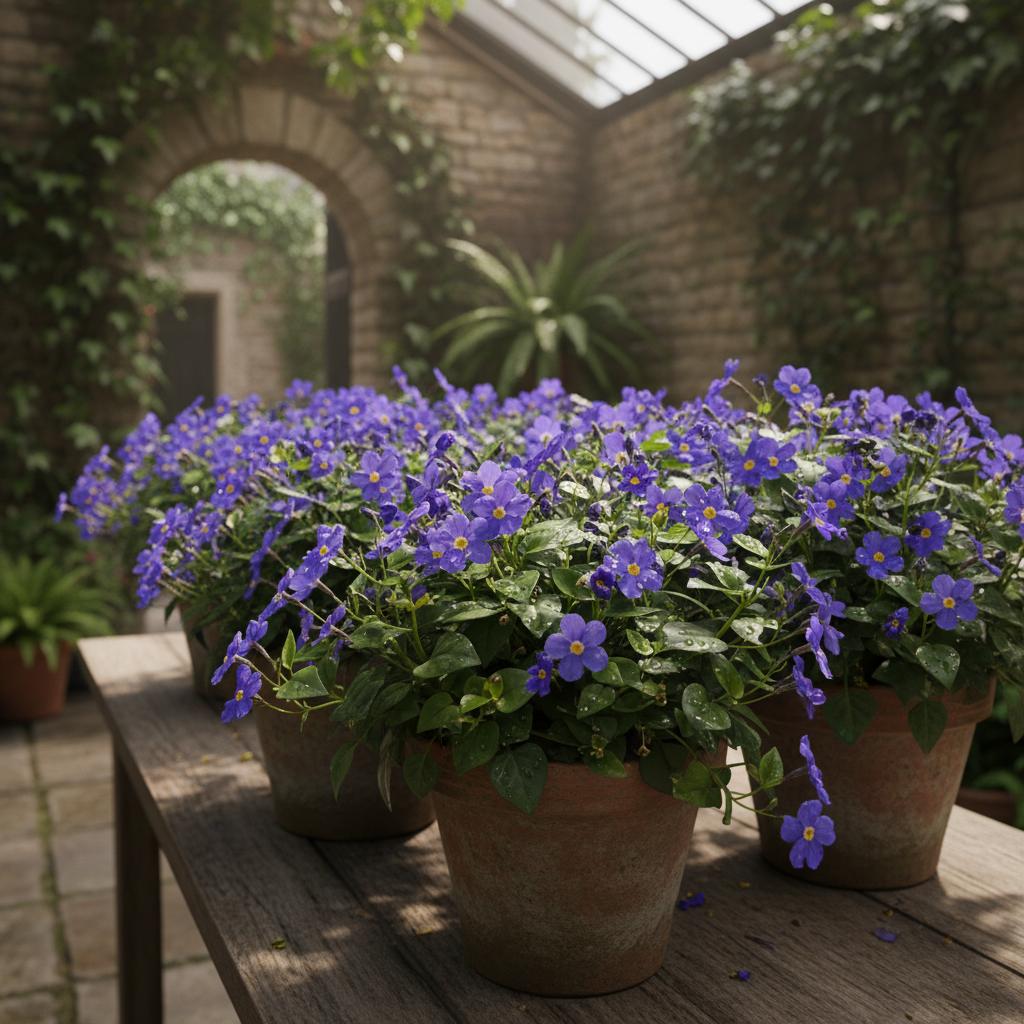
Per ASPCA classification, this plant is confirmed non-toxic to cats and dogs, with no recorded toxicity cases in available literature.
Even though it is non-toxic, the plant is not approved or suitable for use as feed for any pets or livestock.
Toxicity status for horses is currently unconfirmed, so exposure to horses should be limited as a precaution.
FAQ
Is Persian Violet toxic to Humans?
No adverse symptoms reported from incidental exposure; very large ingestion may cause mild non-specific gastrointestinal discomfort. (Non-toxic)
Is Persian Violet toxic to Cats?
No expected toxic symptoms from incidental ingestion, no adverse reactions documented. (Non-toxic)
Is Persian Violet toxic to Dogs?
No expected toxic symptoms from incidental ingestion, no adverse reactions documented. (Non-toxic)
Is Persian Violet toxic to Horses?
Unknown, no documented symptom data available for this species. (Unknown)
Toxicity Details
No adverse symptoms reported from incidental exposure; very large ingestion may cause mild non-specific gastrointestinal discomfort.
No expected toxic symptoms from incidental ingestion, no adverse reactions documented.
No expected toxic symptoms from incidental ingestion, no adverse reactions documented.
Unknown, no documented symptom data available for this species.
Toxicity Snapshot
First Aid & Prevention
First 30 Minutes
- • If large amounts are ingested, rinse the mouth of the exposed person or pet with clean water.
- • Monitor for mild, non-specific gastrointestinal discomfort such as bloating or loose stools.
- • Remove any remaining plant material from the reach of children or pets if you have concerns.
Contact Vet Immediately
- • If your horse ingests large quantities of the plant, contact a veterinarian to assess risk.
- • If your pet displays persistent unusual symptoms after ingestion, seek veterinary care.
- • If a child experiences prolonged gastrointestinal upset after ingestion, contact a healthcare provider.
Prevention
- • Avoid intentionally feeding this plant to any pets, livestock, or humans.
- • Keep houseplants out of reach of unsupervised toddlers and young pets to prevent unintended over-ingestion.
- • Store plant cuttings or trimmings away from animal feeding areas.
Treatment & Prognosis
- • Supportive care only for any mild non-specific gastrointestinal symptoms if they occur.
- • No specific antidote is required as no confirmed toxic effects are associated with this plant.
- • Medical or veterinary intervention is rarely needed for incidental exposure.
Professional Toxicology
• No toxic mechanism identified, as the plant is confirmed non-toxic to cats and dogs
Information from CliniTox veterinary text.
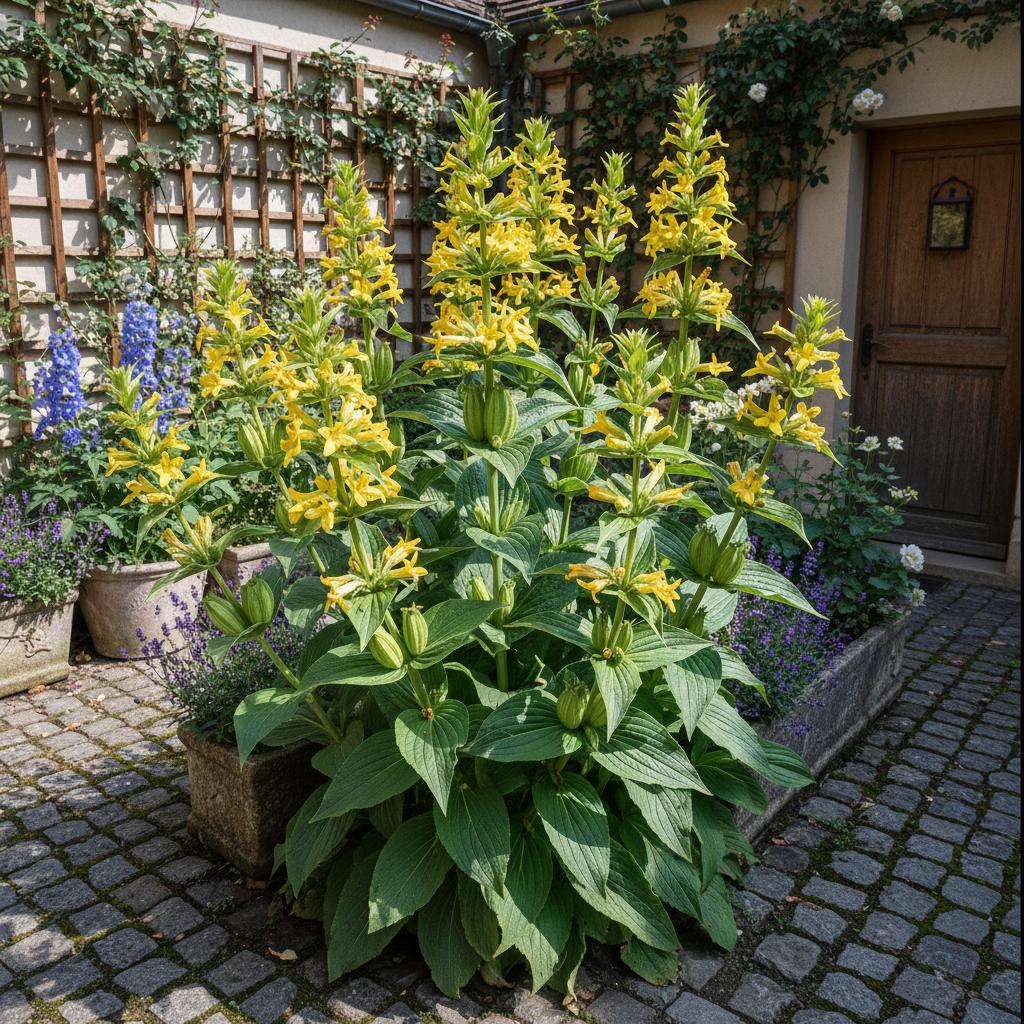
The following plants look similar and may be confused:
Related Toxic Plants
Download PlantFun App
Identify, grow and care for plants effectively!
Instant Plant ID
Take a photo to quickly identify plants.
Smart Care Reminders
Generate watering and care schedules.
Toxicity & Disease Diagnosis
Identify toxic plants and pests with treatment advice.

Data Sources
This information is for reference only and does not constitute medical advice. If ingestion or poisoning is suspected, seek medical or veterinary attention immediately.