 PlantFun
Great yellow gentian Toxic?
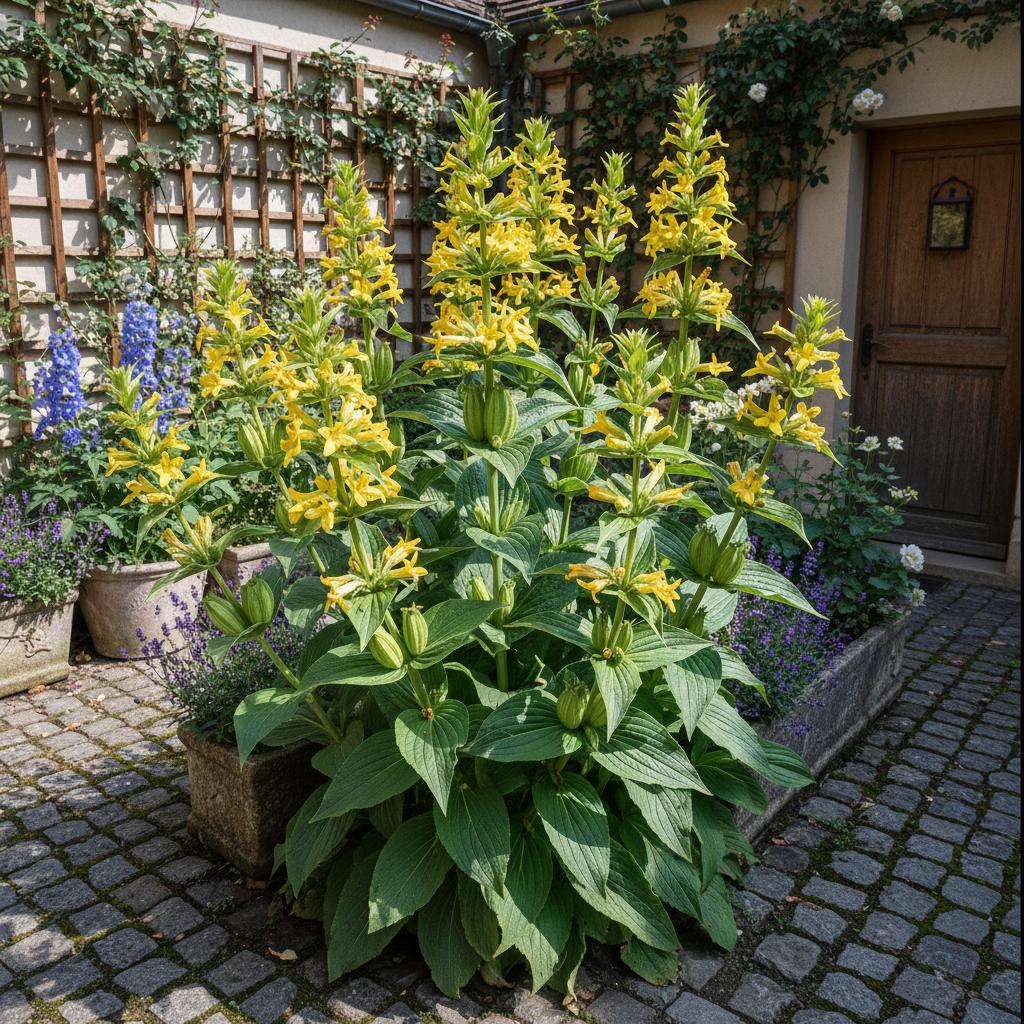
Gentiana lutea is confirmed non-toxic to humans, cats, dogs, and horses per existing toxicological research
The plant has very low forage value and is almost never voluntarily eaten by grazing animals under normal conditions
It carries high confusion risk with the extremely toxic Veratrum album, requiring careful identification before use
FAQ
Is Great yellow gentian toxic to Humans?
No known toxic symptoms reported from accidental or intentional consumption of this species (Non-toxic)
Is Great yellow gentian toxic to Cats?
No reported toxic reactions in cats, even after small to moderate accidental ingestion (Non-toxic)
Is Great yellow gentian toxic to Dogs?
No reported toxic reactions in dogs, even after small to moderate accidental ingestion (Non-toxic)
Is Great yellow gentian toxic to Horses?
No reported toxic reactions in horses, even after small to moderate accidental ingestion (Non-toxic)
Toxicity Details
No known toxic symptoms reported from accidental or intentional consumption of this species
No reported toxic reactions in cats, even after small to moderate accidental ingestion
No reported toxic reactions in dogs, even after small to moderate accidental ingestion
No reported toxic reactions in horses, even after small to moderate accidental ingestion
Toxicity Snapshot
First Aid & Prevention
First 30 Minutes
- • Rinse mouth with clean water to remove residual plant matter if large amounts are consumed
- • Monitor for rare mild gastrointestinal upset for 2-4 hours post-consumption
- • No emergency care is required for typical small exposures to confirmed Gentiana lutea
Contact Vet Immediately
- • Persistent vomiting, diarrhea or lethargy occurs 6+ hours after consumption of very large amounts
- • There is uncertainty if the consumed plant was Great yellow gentian or a toxic lookalike
- • The exposed animal has pre-existing gastrointestinal or allergic conditions that may be exacerbated
Prevention
- • Learn to distinguish Gentiana lutea from highly toxic Veratrum album before foraging or grazing livestock in alpine areas
- • Remove confirmed toxic lookalike plants from pet-accessible gardens and pastures
- • Avoid feeding unknown wild plants to companion animals or livestock
Treatment & Prognosis
- • No targeted treatment is required for confirmed Gentiana lutea exposure
- • Provide supportive care (oral fluids, anti-emetics) if mild gastrointestinal upset occurs
- • Administer appropriate treatment for toxic lookalike exposure if identification of a harmful species is confirmed
Professional Toxicology
• No toxic mechanisms identified, as the species does not contain harmful toxicologically active compounds
Information from CliniTox veterinary text.
The following plants look similar and may be confused:
Related Toxic Plants
Download PlantFun App
Identify, grow and care for plants effectively!
Instant Plant ID
Take a photo to quickly identify plants.
Smart Care Reminders
Generate watering and care schedules.
Toxicity & Disease Diagnosis
Identify toxic plants and pests with treatment advice.

Data Sources
This information is for reference only and does not constitute medical advice. If ingestion or poisoning is suspected, seek medical or veterinary attention immediately.