 PlantFun
Japanese spindle Toxic?
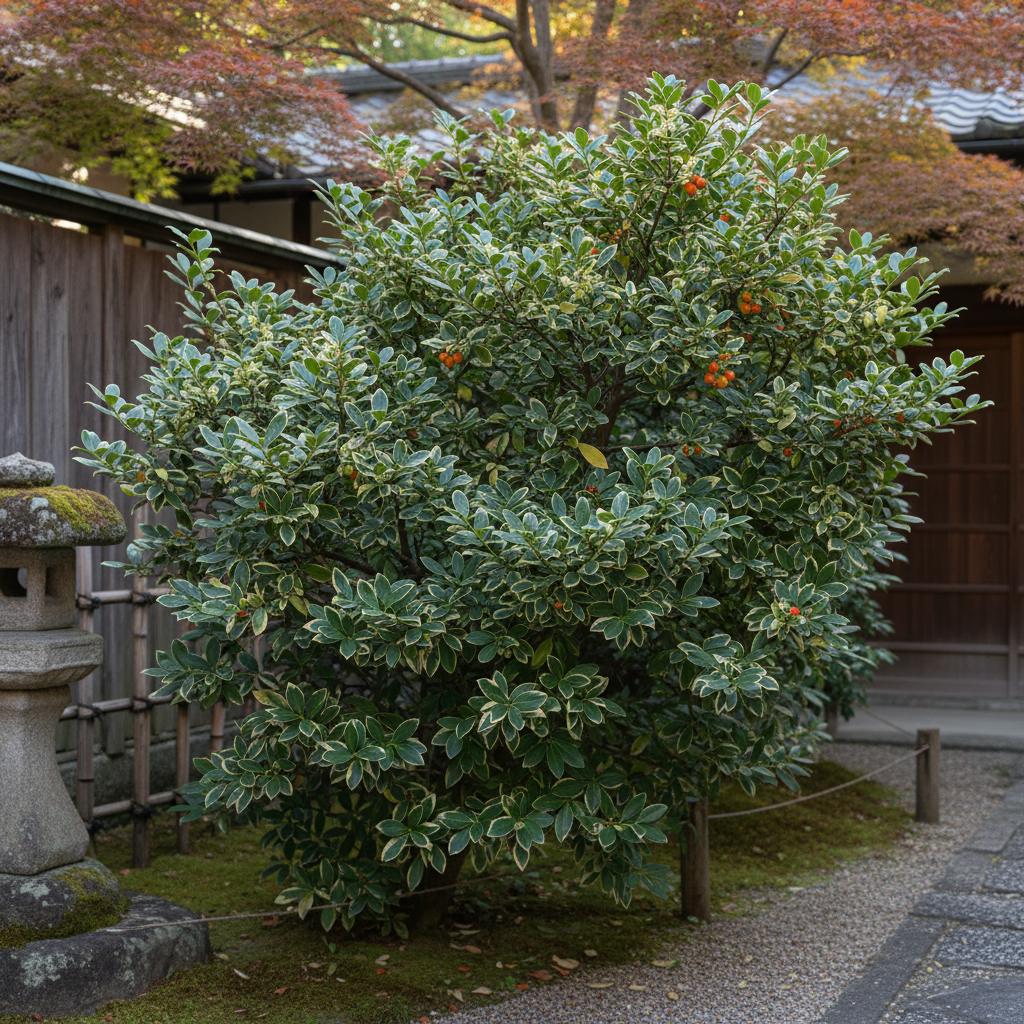
All plant parts are toxic, with fruits containing the highest concentration of harmful compounds
Ingestion can cause vomiting, diarrhea, colic, cardiac dysfunction, and potentially fatal outcomes, particularly in horses
Toxic compounds remain active in dried hay, creating year-round risk for grazing livestock
FAQ
Is Japanese spindle toxic to Humans?
Vomiting, diarrhea, abdominal cramping, abnormal heart rhythm, and circulatory distress following ingestion (High)
Is Japanese spindle toxic to Cats?
Vomiting, diarrhea, lethargy, abdominal pain, and potential cardiac arrhythmia after ingestion (High)
Is Japanese spindle toxic to Dogs?
Vomiting, diarrhea, abdominal discomfort, lethargy, and possible cardiovascular complications (High)
Is Japanese spindle toxic to Horses?
Colic, peritonitis, constipation, rapid heart rate, and potential death within several days of ingesting branch tips (High)
Toxicity Details
Vomiting, diarrhea, abdominal cramping, abnormal heart rhythm, and circulatory distress following ingestion
Vomiting, diarrhea, lethargy, abdominal pain, and potential cardiac arrhythmia after ingestion
Vomiting, diarrhea, abdominal discomfort, lethargy, and possible cardiovascular complications
Colic, peritonitis, constipation, rapid heart rate, and potential death within several days of ingesting branch tips
Toxicity Snapshot
First Aid & Prevention
First 30 Minutes
- • Induce vomiting only if ingestion occurred within 2 hours and the affected party is fully conscious and alert
- • Administer activated charcoal to bind unabsorbed toxic compounds in the gastrointestinal tract
- • Keep the affected individual calm and restrict physical activity to reduce strain on the cardiovascular system
Contact Vet Immediately
- • Immediately contact a medical or veterinary professional if any amount of the plant is ingested
- • Seek urgent care if symptoms like vomiting, diarrhea, colic, or abnormal heart rate develop after exposure
- • Contact an equine veterinarian immediately if a horse is suspected to have ingested any part of the plant
Prevention
- • Remove Japanese spindle plants from areas accessible to children, pets, and grazing livestock
- • Routinely inspect hay supplies for contamination with Japanese spindle material, as toxins remain active when dried
- • Educate caregivers and farm workers to recognize the plant to avoid accidental exposure
Treatment & Prognosis
- • Perform gastrointestinal decontamination via induced vomiting and activated charcoal administration as clinically appropriate
- • Provide symptomatic supportive care including fluid therapy, anti-emetics, pain management, and cardiac support as needed
- • Monitor vital signs and cardiac function closely for at least 72 hours post-ingestion, especially in equine cases
Professional Toxicology
• Cardenolide glycosides inhibit cardiac sodium-potassium pump function, leading to abnormal heart rhythm and circulatory failure
• Alkaloids and lectins irritate the gastrointestinal mucosa, causing inflammation, vomiting, diarrhea, and abdominal pain
Information from CliniTox veterinary text.
The following plants look similar and may be confused:
Related Toxic Plants

Download PlantFun App
Identify, grow and care for plants effectively!
Instant Plant ID
Take a photo to quickly identify plants.
Smart Care Reminders
Generate watering and care schedules.
Toxicity & Disease Diagnosis
Identify toxic plants and pests with treatment advice.

Data Sources
This information is for reference only and does not constitute medical advice. If ingestion or poisoning is suspected, seek medical or veterinary attention immediately.