 PlantFun
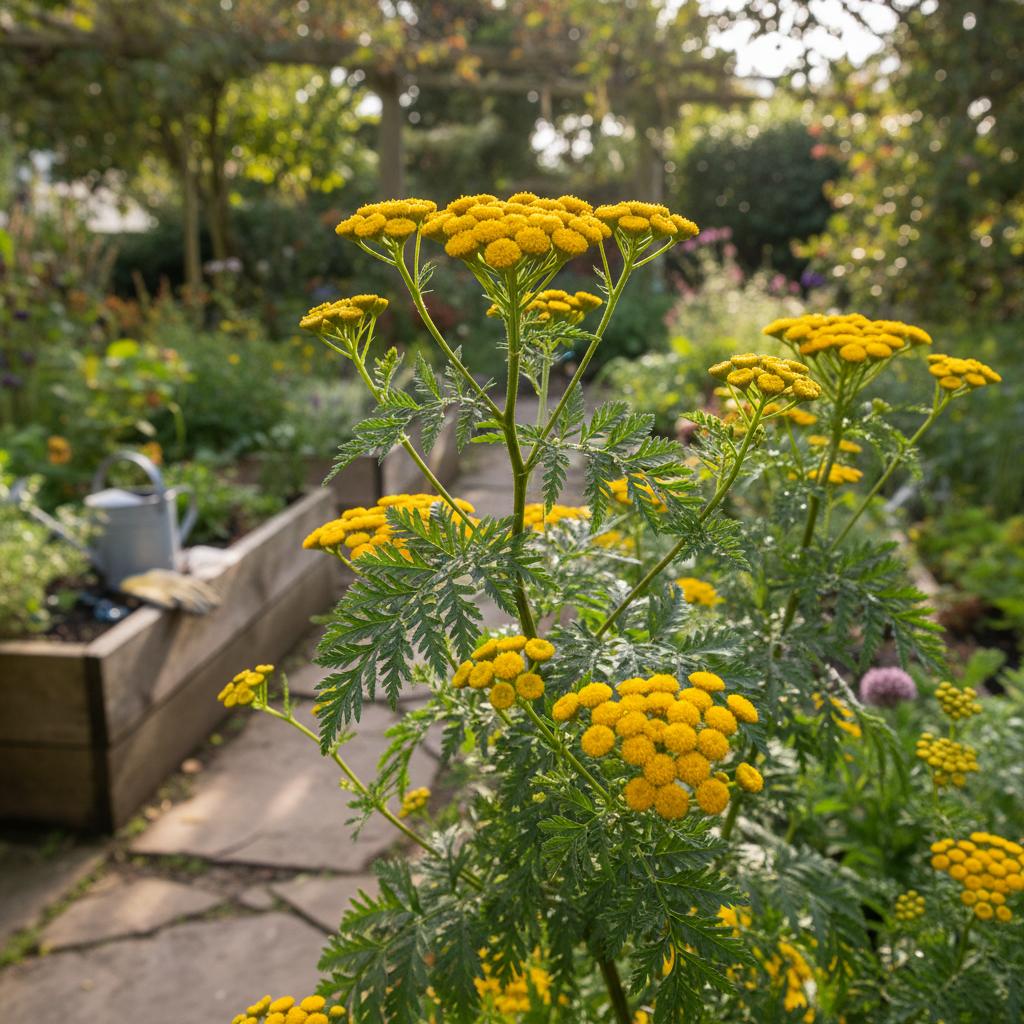
Showy Daisy Toxic?
Showy Daisy is confirmed toxic to cats, dogs, and horses per ASPCA toxicology data
Specific active toxic principles in the plant have not been identified to date
Ingestion only causes mild, self-limiting gastrointestinal symptoms in affected animals
FAQ
Is Showy Daisy toxic to Humans?
No confirmed toxic effects reported in humans; mild gastrointestinal irritation may occur with large-volume ingestion (Non-toxic)
Is Showy Daisy toxic to Cats?
Mild vomiting, diarrhea (Low)
Is Showy Daisy toxic to Dogs?
Mild vomiting, diarrhea (Low)
Is Showy Daisy toxic to Horses?
Mild vomiting, diarrhea (Low)
Toxicity Details
No confirmed toxic effects reported in humans; mild gastrointestinal irritation may occur with large-volume ingestion
Mild vomiting, diarrhea
Mild vomiting, diarrhea
Mild vomiting, diarrhea
Toxicity Snapshot
First Aid & Prevention
First 30 Minutes
- • Remove any remaining plant material from the affected individual's mouth immediately
- • Rinse the mouth thoroughly with cool, clean water to eliminate residual plant matter
- • Monitor closely for onset of vomiting or diarrhea in the first 2-4 hours post-ingestion
- • Do not induce vomiting unless explicitly instructed to by a doctor or veterinarian
Contact Vet Immediately
- • Vomiting persists for more than 2 hours or becomes severe/bloody
- • Diarrhea lasts longer than 12 hours or is paired with lethargy, appetite loss, or dehydration
- • The affected animal is juvenile, geriatric, or has pre-existing chronic health conditions
Prevention
- • Keep potted Showy Daisy out of reach of indoor pets, and remove wild growth from horse grazing areas
- • Educate household members and pet owners to recognize the plant and avoid feeding it to animals
- • Label residential Showy Daisy plants clearly as toxic to pets if kept in accessible spaces
Treatment & Prognosis
- • Supportive care including electrolyte fluid administration to prevent dehydration is standard
- • Veterinarians may prescribe anti-emetic medications to control persistent vomiting
- • Most cases resolve fully within 24-48 hours with no long-term adverse effects
Professional Toxicology
• Toxic mechanism of action is currently unknown, as active harmful compounds have not been isolated
Information from CliniTox veterinary text.
The following plants look similar and may be confused:
Related Toxic Plants


Download PlantFun App
Identify, grow and care for plants effectively!
Instant Plant ID
Take a photo to quickly identify plants.
Smart Care Reminders
Generate watering and care schedules.
Toxicity & Disease Diagnosis
Identify toxic plants and pests with treatment advice.

Data Sources
This information is for reference only and does not constitute medical advice. If ingestion or poisoning is suspected, seek medical or veterinary attention immediately.