 PlantFun
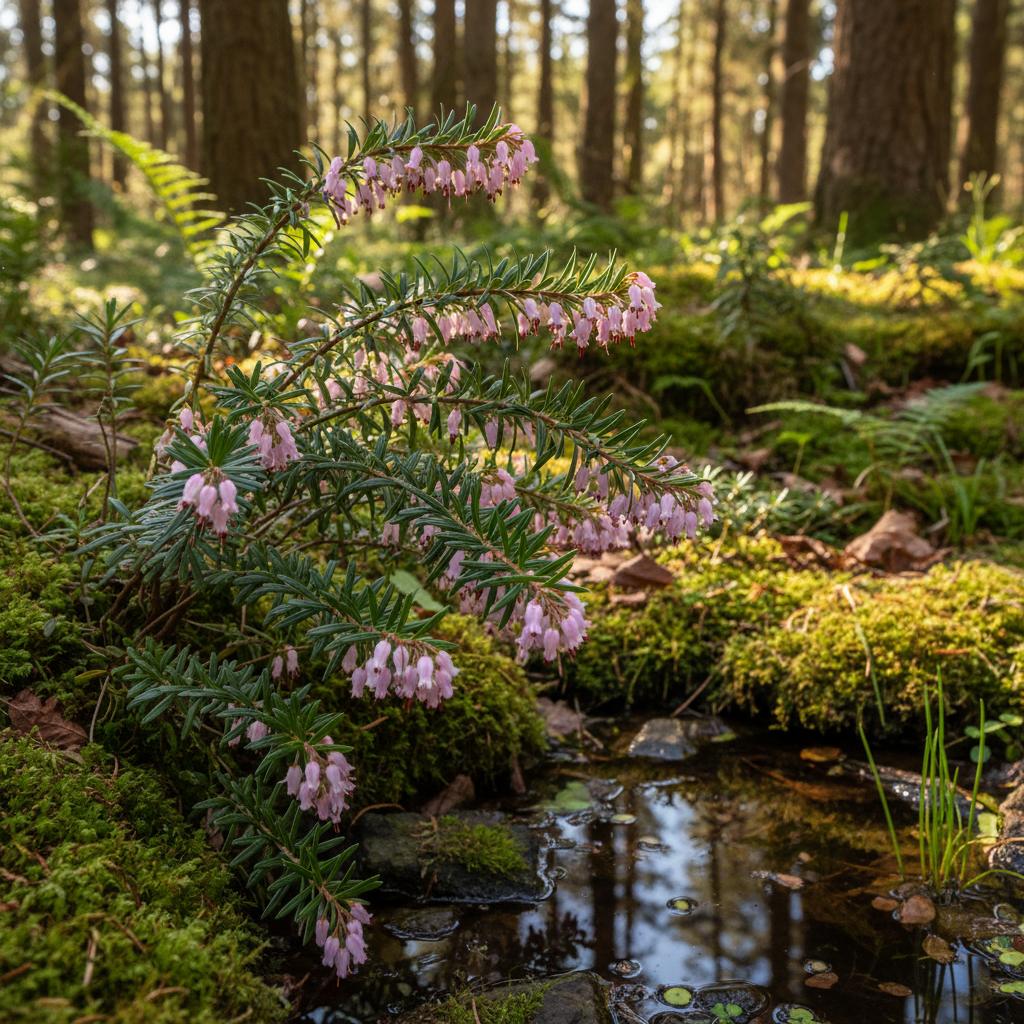
Pink bell heather Toxic?

Classified as low toxicity by CliniTox, with no confirmed reports of severe poisoning in humans or common companion animals
Not suitable for use as livestock feed, as long-term exclusive consumption reduces nutrient absorption and weight development
Can be confused with highly toxic related species, so correct identification is critical before exposure
FAQ
Is Pink bell heather toxic to Humans?
No confirmed toxicity symptoms reported in humans to date (Low)
Is Pink bell heather toxic to Cats?
No confirmed toxicity symptoms reported in cats to date (Low)
Is Pink bell heather toxic to Dogs?
No confirmed toxicity symptoms reported in dogs to date (Low)
Is Pink bell heather toxic to Horses?
Long-term exclusive consumption may cause reduced nutrient digestion and impaired weight gain (Low)
Toxicity Details
No confirmed toxicity symptoms reported in humans to date
No confirmed toxicity symptoms reported in cats to date
No confirmed toxicity symptoms reported in dogs to date
Long-term exclusive consumption may cause reduced nutrient digestion and impaired weight gain
Toxicity Snapshot
First Aid & Prevention
First 30 Minutes
- • If ingested by humans or pets, rinse mouth thoroughly with clean water
- • If consumed in large quantities, induce vomiting only if advised by a medical professional
- • Monitor for signs of gastrointestinal discomfort for 2-4 hours post-ingestion
Contact Vet Immediately
- • If livestock show unexpected weight loss after long-term access to this plant
- • If companion animals or humans show persistent gastrointestinal upset after ingestion
- • If the plant is misidentified as a known toxic related species
Prevention
- • Do not use this plant as a feed source for any livestock species
- • Confirm plant identification before allowing pet or livestock access to growing areas
- • Keep ornamental specimens out of reach of young children and unsupervised pets
Treatment & Prognosis
- • For livestock with feed-related symptoms, immediately switch to an appropriate alternative feed source
- • Provide supportive care including nutrient supplementation if weight loss is observed
- • Treat gastrointestinal symptoms symptomatically as directed by a healthcare or veterinary provider
Professional Toxicology
• Tannins in the plant bind to digestive tract nutrients, reducing nutrient absorption efficiency
• Hydroquinone compounds may cause mild gastrointestinal irritation at high doses
• Phenolic compounds inhibit rumen microbial activity in ruminants, further reducing feed digestion
Information from CliniTox veterinary text.
The following plants look similar and may be confused:
Related Toxic Plants


Download PlantFun App
Identify, grow and care for plants effectively!
Instant Plant ID
Take a photo to quickly identify plants.
Smart Care Reminders
Generate watering and care schedules.
Toxicity & Disease Diagnosis
Identify toxic plants and pests with treatment advice.

Data Sources
This information is for reference only and does not constitute medical advice. If ingestion or poisoning is suspected, seek medical or veterinary attention immediately.