 PlantFun
Mexican Firecracker Toxic?
Echeveria Pulinata is classified as non-toxic to cats, dogs, and horses by the ASPCA.
No harmful toxic compounds have been recorded in any part of this succulent species.
Accidental minor ingestion by common domestic animals is not expected to cause adverse health effects.
FAQ
Is Mexican Firecracker toxic to Humans?
No expected adverse symptoms from casual minor ingestion; mild, self-limiting gastrointestinal upset may occur in rare cases of very large overconsumption. (Non-toxic)
Is Mexican Firecracker toxic to Cats?
No expected toxic symptoms; mild temporary stomach discomfort may occur only if extremely large amounts of the plant are eaten. (Non-toxic)
Is Mexican Firecracker toxic to Dogs?
No expected toxic symptoms; mild transient digestive upset may occur following excessive ingestion of large volumes of the plant. (Non-toxic)
Is Mexican Firecracker toxic to Horses?
No expected toxic symptoms; minor short-term gastrointestinal irritation is possible only after intake of very large quantities of the plant. (Non-toxic)
Toxicity Details
No expected adverse symptoms from casual minor ingestion; mild, self-limiting gastrointestinal upset may occur in rare cases of very large overconsumption.
No expected toxic symptoms; mild temporary stomach discomfort may occur only if extremely large amounts of the plant are eaten.
No expected toxic symptoms; mild transient digestive upset may occur following excessive ingestion of large volumes of the plant.
No expected toxic symptoms; minor short-term gastrointestinal irritation is possible only after intake of very large quantities of the plant.
Toxicity Snapshot
First Aid & Prevention
First 30 Minutes
- • If accidental ingestion occurs, rinse the mouth with clean water to remove remaining plant material
- • Monitor the exposed person or animal for unusual discomfort for 1 to 2 hours post-exposure
- • Offer small amounts of fresh water to dilute any ingested plant matter if desired
Contact Vet Immediately
- • Persistent vomiting or diarrhea lasting more than 24 hours after ingestion
- • Signs of severe distress or allergic reaction (extremely rare)
- • Ingestion of extremely large quantities alongside unknown potentially toxic substances
Prevention
- • Keep houseplants out of reach of teething puppies/kittens to avoid non-toxic digestive upset from overconsumption
- • Label home succulents to avoid confusion with visually similar toxic Crassulaceae species
- • Restrict grazing animal access to large quantities of non-forage plants to prevent unnecessary digestive discomfort
Treatment & Prognosis
- • No specific medical treatment is required for minor, uncomplicated ingestion
- • Supportive care (fluid therapy, anti-diarrheal medication) may be administered if severe digestive upset occurs
- • Rare allergic reactions are treated with standard antihistamine or corticosteroid therapy as directed by a provider/vet
Professional Toxicology
• No identified toxic mechanism; plant components are not metabolized into harmful substances in humans or common domestic animals
Information from CliniTox veterinary text.
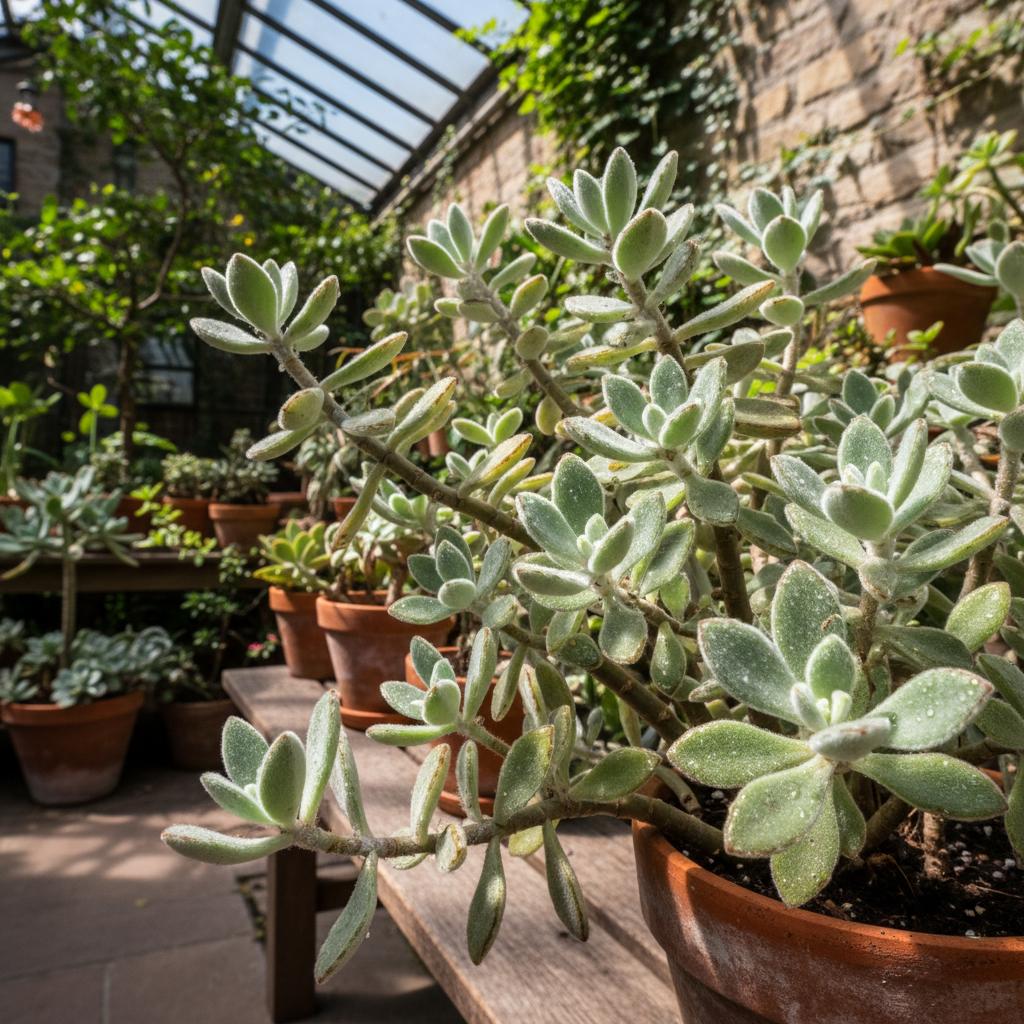
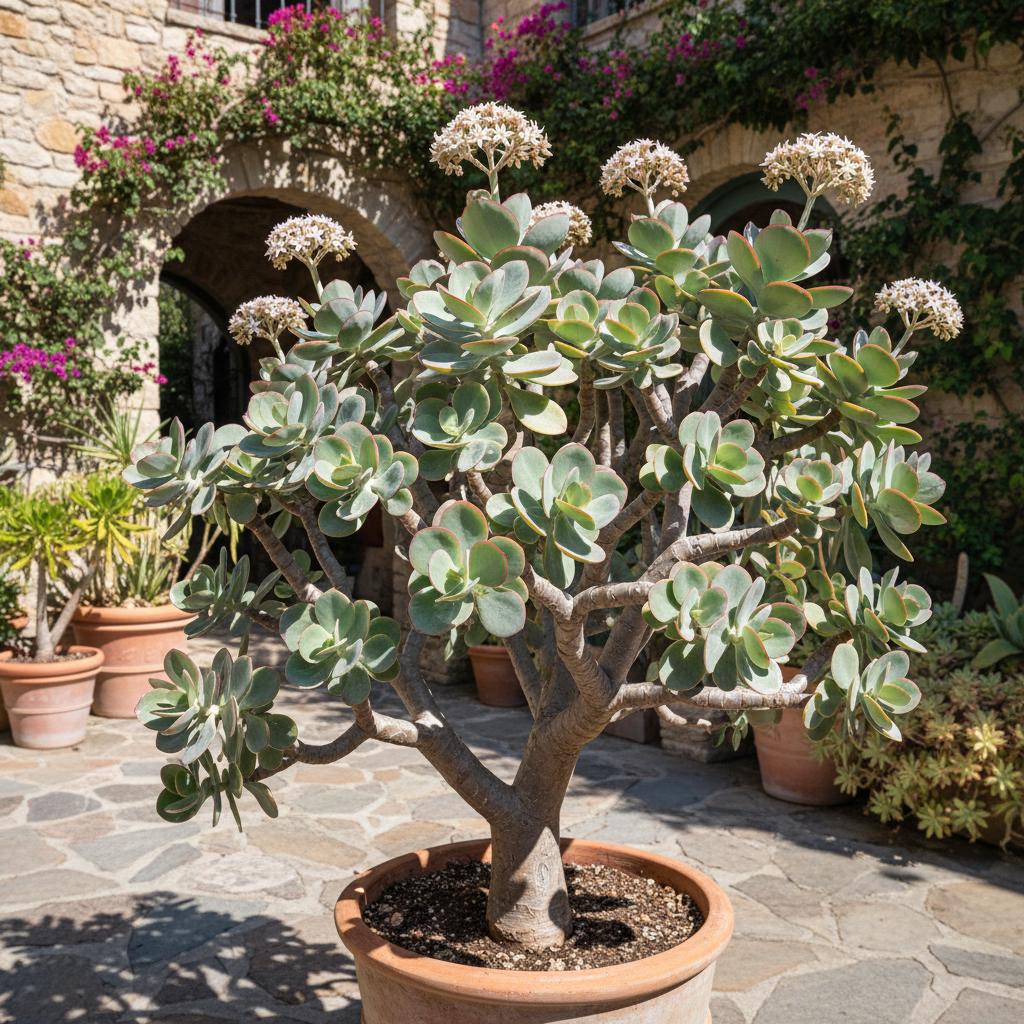
The following plants look similar and may be confused:
Related Toxic Plants
Download PlantFun App
Identify, grow and care for plants effectively!
Instant Plant ID
Take a photo to quickly identify plants.
Smart Care Reminders
Generate watering and care schedules.
Toxicity & Disease Diagnosis
Identify toxic plants and pests with treatment advice.

Data Sources
This information is for reference only and does not constitute medical advice. If ingestion or poisoning is suspected, seek medical or veterinary attention immediately.