 PlantFun
Painted Lady Toxic?
This succulent is confirmed non-toxic to domestic cats and dogs, posing minimal health risk from accidental ingestion.
Its toxicity to horses is unstudied, so access by equines should be restricted as a precaution.
As a Crassulaceae family member, it shares the low-to-no toxicity profile common to most popular Echeveria species.
FAQ
Is Painted Lady toxic to Humans?
No confirmed toxic effects; very large intake may cause mild, self-limiting gastrointestinal upset in sensitive individuals. (Non-toxic)
Is Painted Lady toxic to Cats?
No expected adverse effects from small ingestion; large quantities may trigger minor temporary digestive discomfort. (Non-toxic)
Is Painted Lady toxic to Dogs?
No documented toxic reactions; occasional small ingestion is harmless, excessive intake may cause mild vomiting or diarrhea. (Non-toxic)
Is Painted Lady toxic to Horses?
No symptoms recorded, as toxicity status is currently unknown and unstudied. (Unknown)
Toxicity Details
No confirmed toxic effects; very large intake may cause mild, self-limiting gastrointestinal upset in sensitive individuals.
No expected adverse effects from small ingestion; large quantities may trigger minor temporary digestive discomfort.
No documented toxic reactions; occasional small ingestion is harmless, excessive intake may cause mild vomiting or diarrhea.
No symptoms recorded, as toxicity status is currently unknown and unstudied.
Toxicity Snapshot
First Aid & Prevention
First 30 Minutes
- • If your cat or dog ingests a small amount, gently rinse their mouth with clean water if they allow it.
- • Monitor for any unusual signs like excessive drooling, vomiting, or lethargy for 24 hours post-ingestion.
- • Record the quantity and time of ingestion if your pet consumes a large amount, for future reference if needed.
Contact Vet Immediately
- • If your cat or dog shows persistent vomiting, diarrhea, or lethargy after ingesting large quantities of the plant.
- • If you suspect your horse has consumed any amount of this plant, as equine toxicity is unconfirmed.
- • If a person or pet with known succulent allergies shows adverse reactions after contact or ingestion.
Prevention
- • Keep the plant out of reach of horses until formal research confirms its safety for equine consumption.
- • Prevent pets from eating large amounts of any houseplant, even non-toxic varieties, to avoid digestive upset.
- • Wash hands thoroughly after handling any succulents to remove residual sap, dirt, or applied pesticides.
Treatment & Prognosis
- • For mild digestive upset in pets, provide small sips of fresh water and withhold food for 1-2 hours if vomiting occurs.
- • Administer antihistamines as directed by a doctor or vet for confirmed allergic reactions to the plant.
- • Supportive care is sufficient for all known cases of ingestion, as no severe toxic effects are expected.
Professional Toxicology
• No toxic physiological mechanisms have been documented for this species, as it is non-toxic to common companion pets
Information from CliniTox veterinary text.
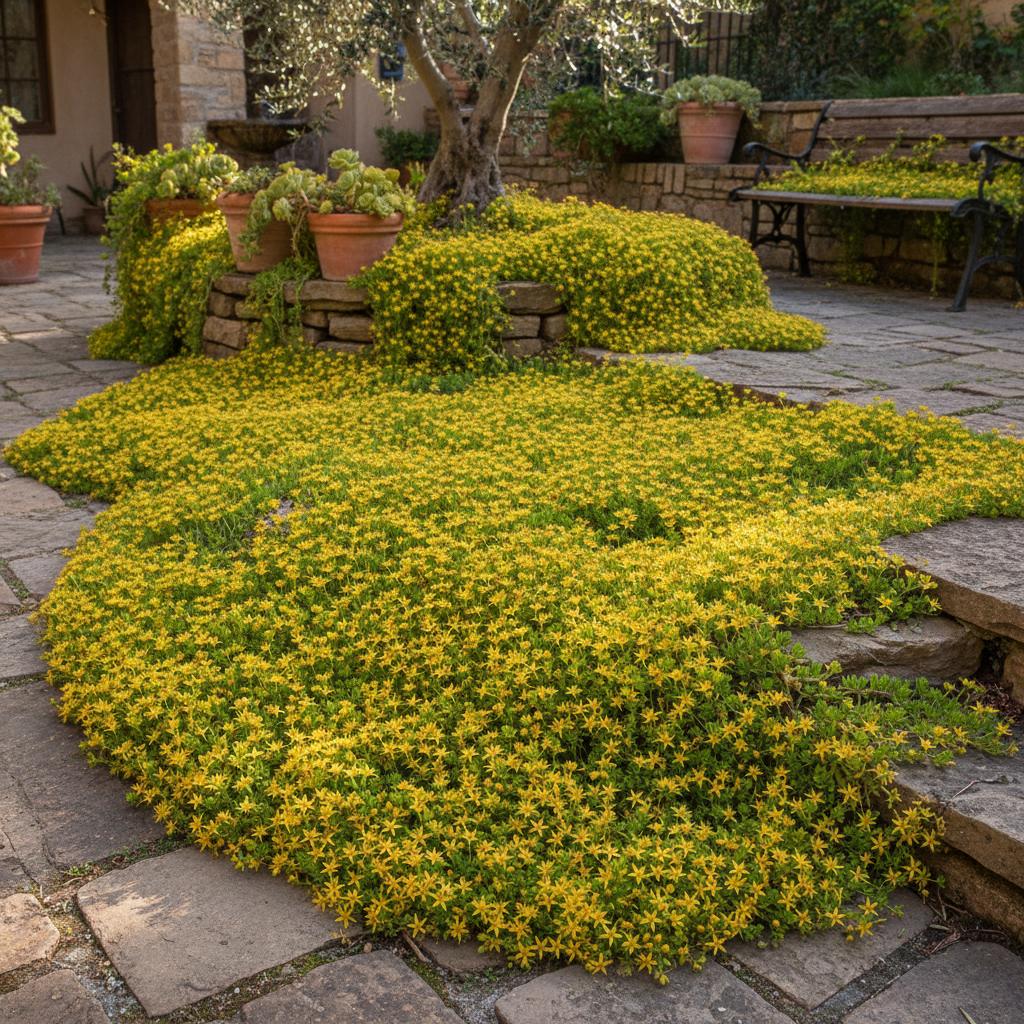
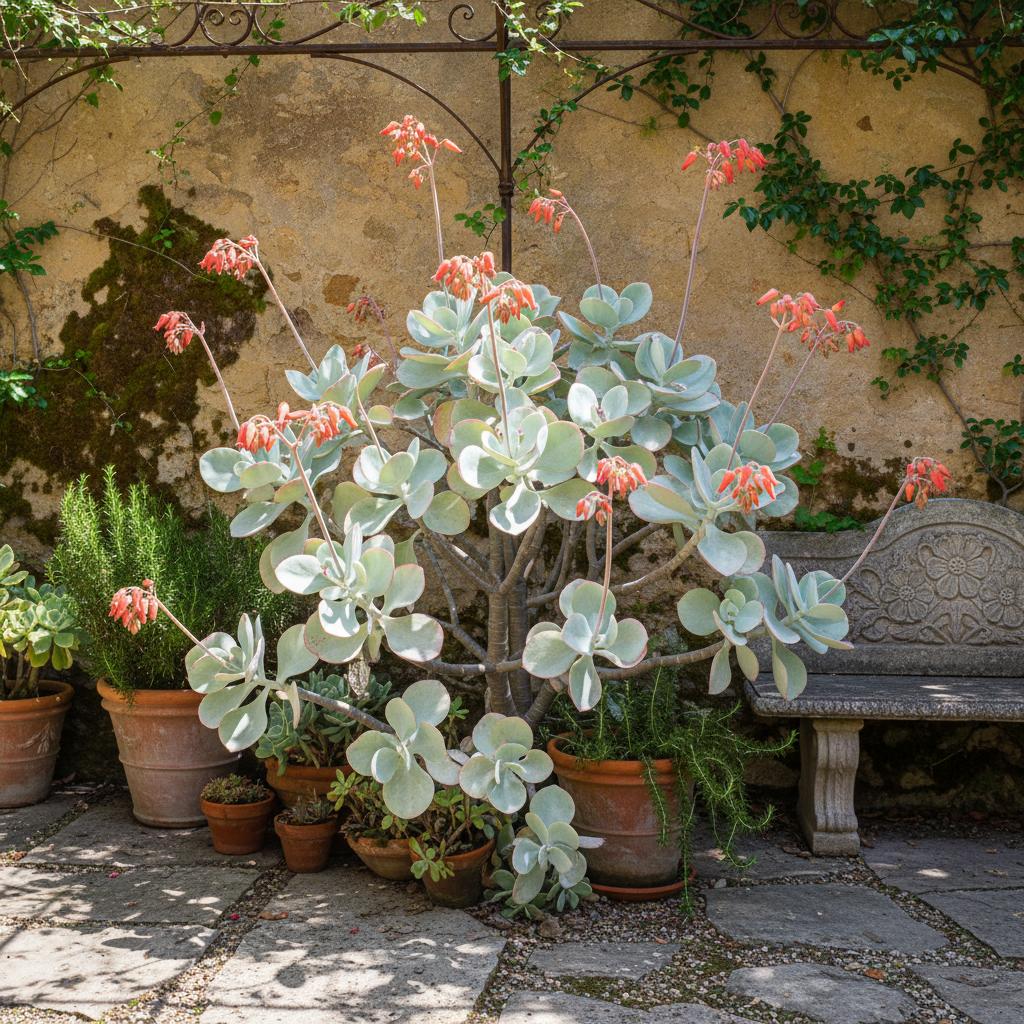
The following plants look similar and may be confused:
Related Toxic Plants

Download PlantFun App
Identify, grow and care for plants effectively!
Instant Plant ID
Take a photo to quickly identify plants.
Smart Care Reminders
Generate watering and care schedules.
Toxicity & Disease Diagnosis
Identify toxic plants and pests with treatment advice.

Data Sources
This information is for reference only and does not constitute medical advice. If ingestion or poisoning is suspected, seek medical or veterinary attention immediately.