 PlantFun
Gold moss Toxic?

All parts of Sedum acre are toxic, containing piperidine alkaloids that pose health risks to humans and animals
The plant has a low clinical toxicity grade, but severe exposure can lead to paralysis or fatal cardiac arrest
Suspected ingestion requires immediate decontamination and symptomatic supportive care for full recovery
FAQ
Is Gold moss toxic to Humans?
Retching, vomiting, respiratory dysfunction, movement disorders, paralysis, possible cardiac arrest (Low)
Is Gold moss toxic to Cats?
No specific clinical exposure data available; monitor for vomiting, lethargy, or uncoordinated movement if ingestion is suspected (Unknown)
Is Gold moss toxic to Dogs?
No specific clinical exposure data available; monitor for vomiting, lethargy, or uncoordinated movement if ingestion is suspected (Unknown)
Is Gold moss toxic to Horses?
No specific clinical exposure data available; monitor for reduced appetite, lethargy, or abnormal movement if ingestion is suspected (Unknown)
Toxicity Details
Retching, vomiting, respiratory dysfunction, movement disorders, paralysis, possible cardiac arrest
No specific clinical exposure data available; monitor for vomiting, lethargy, or uncoordinated movement if ingestion is suspected
No specific clinical exposure data available; monitor for vomiting, lethargy, or uncoordinated movement if ingestion is suspected
No specific clinical exposure data available; monitor for reduced appetite, lethargy, or abnormal movement if ingestion is suspected
Toxicity Snapshot
First Aid & Prevention
First 30 Minutes
- • Induce vomiting if ingestion occurred within 2 hours and the affected individual is conscious
- • Rinse mouth thoroughly with clean water to remove remaining plant residue
- • Restrict food and drink intake until directed by a medical or veterinary professional
Contact Vet Immediately
- • If the affected individual shows signs of respiratory distress, paralysis, or abnormal heart rate
- • If vomiting persists for more than 30 minutes after ingestion
- • If a child, pet, or livestock has ingested a large quantity of the plant
Prevention
- • Keep cultivated Sedum acre plants out of reach of children, pets, and livestock
- • Avoid foraging wild Sedum species for consumption, as many species are visually indistinguishable
- • Label Sedum acre plantings clearly to prevent accidental ingestion
Treatment & Prognosis
- • Perform decontamination via induced vomiting or activated charcoal administration
- • Provide symptomatic supportive care including respiratory and cardiac function monitoring
- • Administer targeted medications to address specific symptoms such as vomiting or arrhythmia
Professional Toxicology
• Piperidine alkaloids in the plant disrupt normal nervous system signaling, leading to movement impairment and paralysis, and interfere with cardiac function to potentially cause arrest
Information from CliniTox veterinary text.
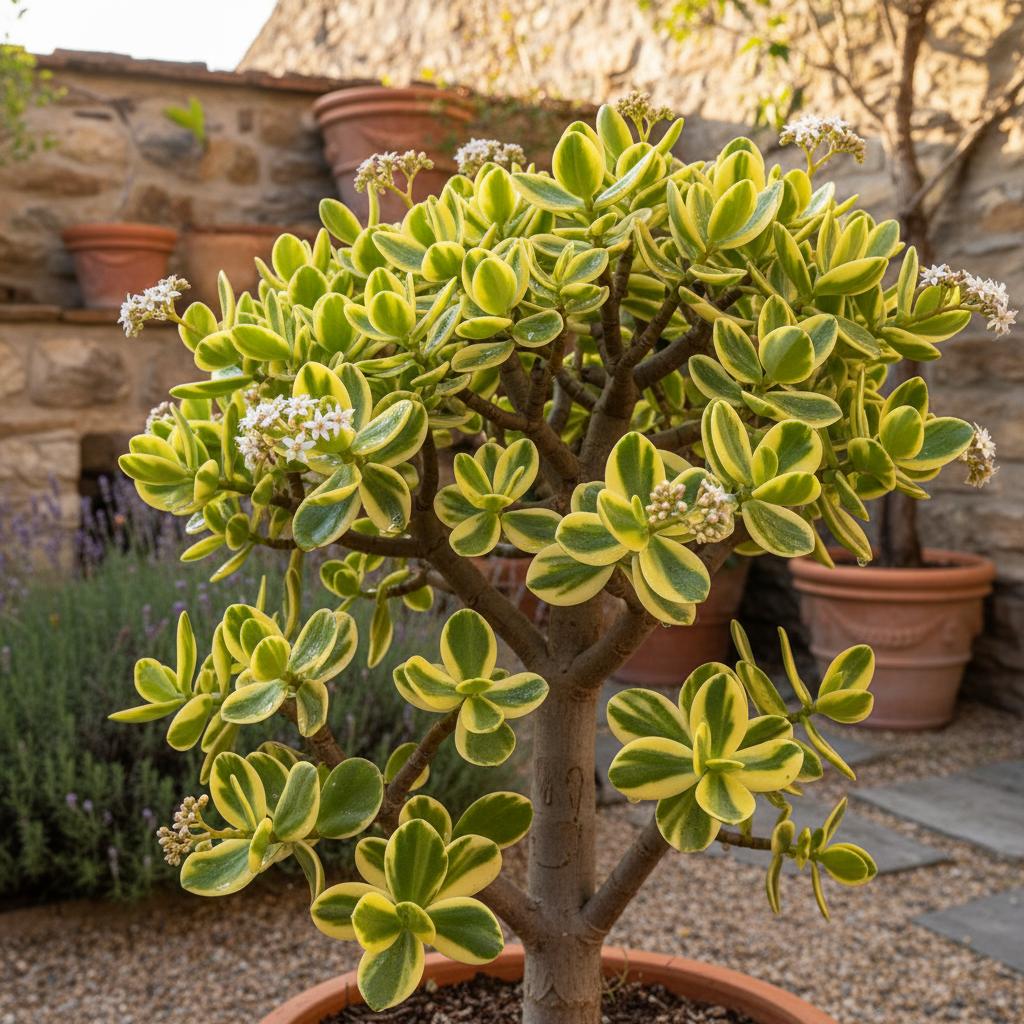
The following plants look similar and may be confused:
Related Toxic Plants


Download PlantFun App
Identify, grow and care for plants effectively!
Instant Plant ID
Take a photo to quickly identify plants.
Smart Care Reminders
Generate watering and care schedules.
Toxicity & Disease Diagnosis
Identify toxic plants and pests with treatment advice.

Data Sources
This information is for reference only and does not constitute medical advice. If ingestion or poisoning is suspected, seek medical or veterinary attention immediately.