 PlantFun
Blue Echeveria Toxic?
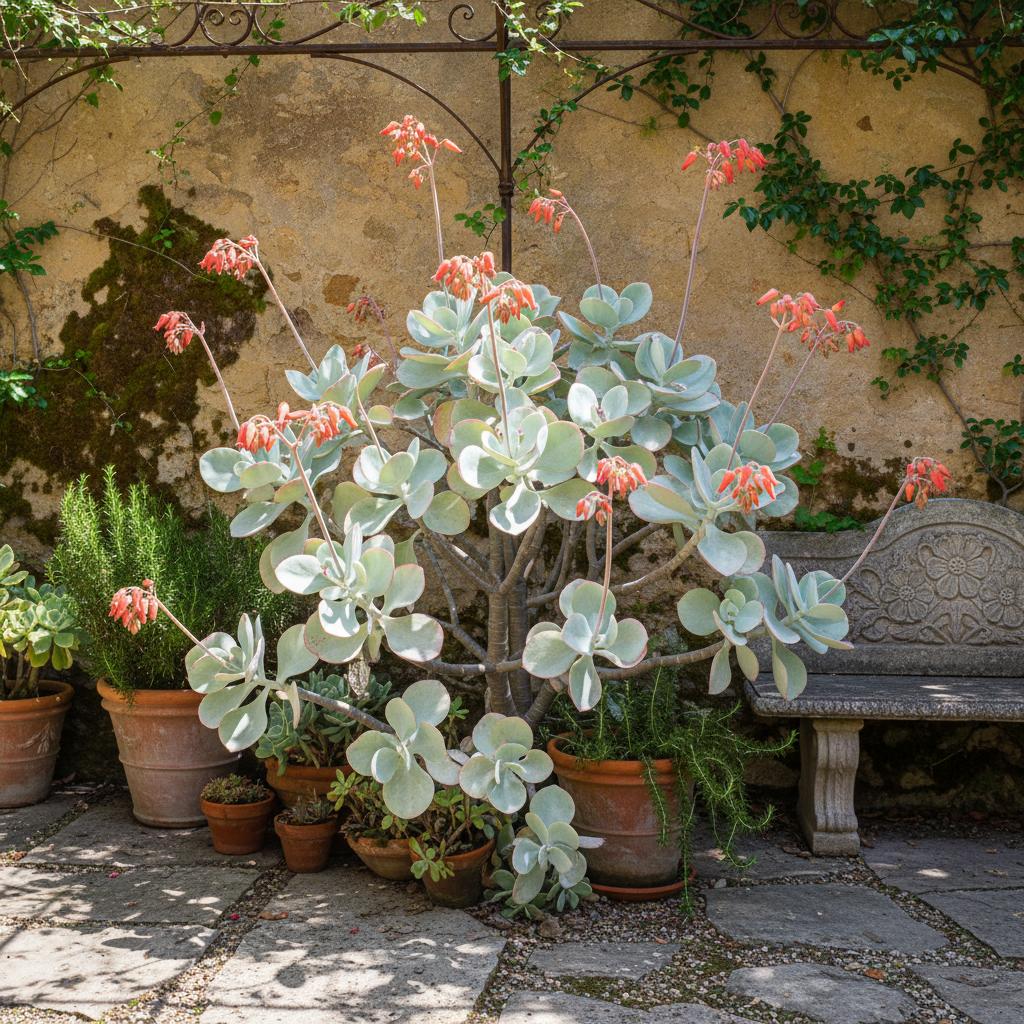
Echeveria glauca is verified non-toxic to cats, dogs, and horses per available toxicology data
No significant adverse effects are expected from accidental ingestion or casual skin contact
It is a safe ornamental succulent choice for households with common companion and livestock animals
FAQ
Is Blue Echeveria toxic to Humans?
No known adverse symptoms from casual contact or accidental ingestion of small quantities (Non-toxic)
Is Blue Echeveria toxic to Cats?
No documented toxic symptoms, even if small amounts are chewed or consumed (Non-toxic)
Is Blue Echeveria toxic to Dogs?
No documented toxic symptoms, even if small amounts are chewed or consumed (Non-toxic)
Is Blue Echeveria toxic to Horses?
No documented toxic symptoms, even if small amounts are consumed alongside forage (Non-toxic)
Toxicity Details
No known adverse symptoms from casual contact or accidental ingestion of small quantities
No documented toxic symptoms, even if small amounts are chewed or consumed
No documented toxic symptoms, even if small amounts are chewed or consumed
No documented toxic symptoms, even if small amounts are consumed alongside forage
Toxicity Snapshot
First Aid & Prevention
First 30 Minutes
- • Wipe residual plant material from the mouth or skin of the exposed individual or pet
- • Offer small amounts of fresh water to clear any remaining plant debris if ingestion occurred
- • Monitor for 1-2 hours for extremely rare individual allergic reactions
Contact Vet Immediately
- • If your pet exhibits persistent vomiting, gagging, or unusual behavior after ingesting very large quantities
- • If you suspect your pet has consumed a visually similar toxic plant misidentified as Blue Echeveria
Prevention
- • No specific toxicity prevention measures are required for this safe ornamental succulent
- • Keep potted plants away from teething pets to avoid plant damage and rare mild digestive upset from excess fibrous intake
Treatment & Prognosis
- • No specialized medical treatment is required for standard exposure
- • Provide supportive care (small, bland meals, hydration) for mild, non-toxic digestive upset if it occurs
Professional Toxicology
• No toxic metabolic pathways are triggered by this species, as it produces no harmful mammalian toxins
Information from CliniTox veterinary text.
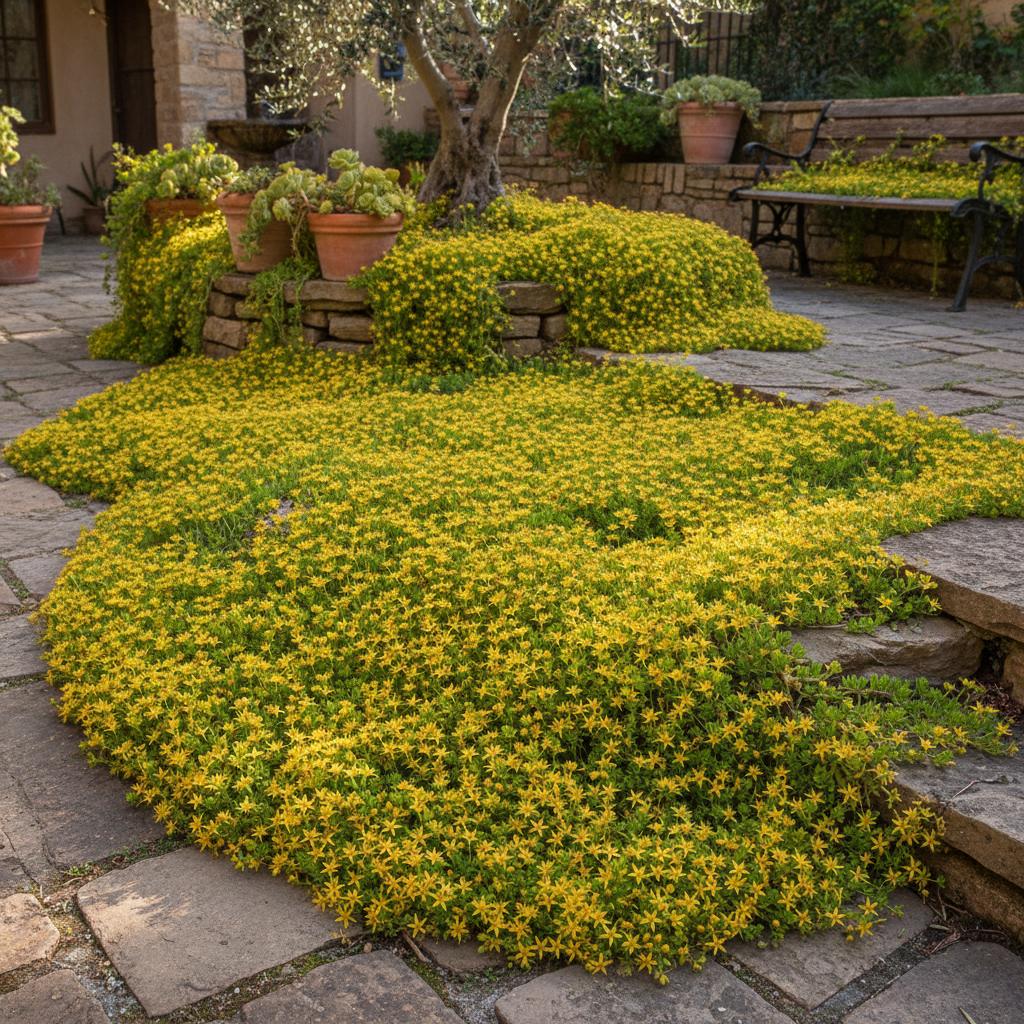
The following plants look similar and may be confused:
Related Toxic Plants

Download PlantFun App
Identify, grow and care for plants effectively!
Instant Plant ID
Take a photo to quickly identify plants.
Smart Care Reminders
Generate watering and care schedules.
Toxicity & Disease Diagnosis
Identify toxic plants and pests with treatment advice.

Data Sources
This information is for reference only and does not constitute medical advice. If ingestion or poisoning is suspected, seek medical or veterinary attention immediately.