 PlantFun
Gold Dust Dracaena Toxic?

This plant is confirmed toxic to both cats and dogs, with no confirmed risk status for horses as of available data
Its exact toxic active compounds have not been formally identified by the ASPCA to date
Ingestion causes a range of distressing gastrointestinal, cardiovascular and neurological symptoms in affected pets
FAQ
Is Gold Dust Dracaena toxic to Humans?
No confirmed human toxicity cases are documented; contact a medical professional or poison control center if large amounts are ingested (Low)
Is Gold Dust Dracaena toxic to Cats?
Dilated pupils, abdominal pain, increased heart rate, drooling, vomiting, depression, inappetence, incoordination, weakness (Moderate)
Is Gold Dust Dracaena toxic to Dogs?
Vomiting, depression, inappetence, drooling, incoordination, weakness (Moderate)
Is Gold Dust Dracaena toxic to Horses?
Toxicity status is unknown; monitor closely for unusual behavioral or physical changes if accidental ingestion is suspected (Low)
Toxicity Details
No confirmed human toxicity cases are documented; contact a medical professional or poison control center if large amounts are ingested
Dilated pupils, abdominal pain, increased heart rate, drooling, vomiting, depression, inappetence, incoordination, weakness
Vomiting, depression, inappetence, drooling, incoordination, weakness
Toxicity status is unknown; monitor closely for unusual behavioral or physical changes if accidental ingestion is suspected
Toxicity Snapshot
First Aid & Prevention
First 30 Minutes
- • Remove any remaining plant material from the affected animal's mouth immediately, and rinse the mouth gently with cool water
- • Do not induce vomiting unless explicitly instructed to do so by a veterinarian or animal poison control expert
- • Collect a sample of the ingested plant to show to veterinary staff for fast, accurate identification
Contact Vet Immediately
- • Your cat or dog has ingested any amount of Gold Dust Dracaena
- • Your pet shows any listed clinical signs including vomiting, drooling, incoordination or dilated pupils
- • Your horse has ingested large quantities of the plant and displays unusual behavioral or physical symptoms
Prevention
- • Keep the plant placed fully out of reach of all pets, especially cats that may climb to access elevated positions
- • Label the plant clearly if kept in a household or facility with pets or livestock to prevent accidental ingestion
- • Clean up all fallen leaves or plant debris immediately to avoid unsupervised access by curious animals
Treatment & Prognosis
- • Veterinarians may administer activated charcoal or induce vomiting to reduce toxin absorption for recent ingestions
- • Symptomatic cats and dogs will receive supportive care including IV fluids, anti-nausea medication and heart rate monitoring
- • Horses that develop symptoms after ingestion will receive species-appropriate supportive care as determined by a large animal veterinarian
Professional Toxicology
• Exact toxic mechanism is currently unidentified, as active compounds have not been isolated by the ASPCA as of available records
Information from CliniTox veterinary text.
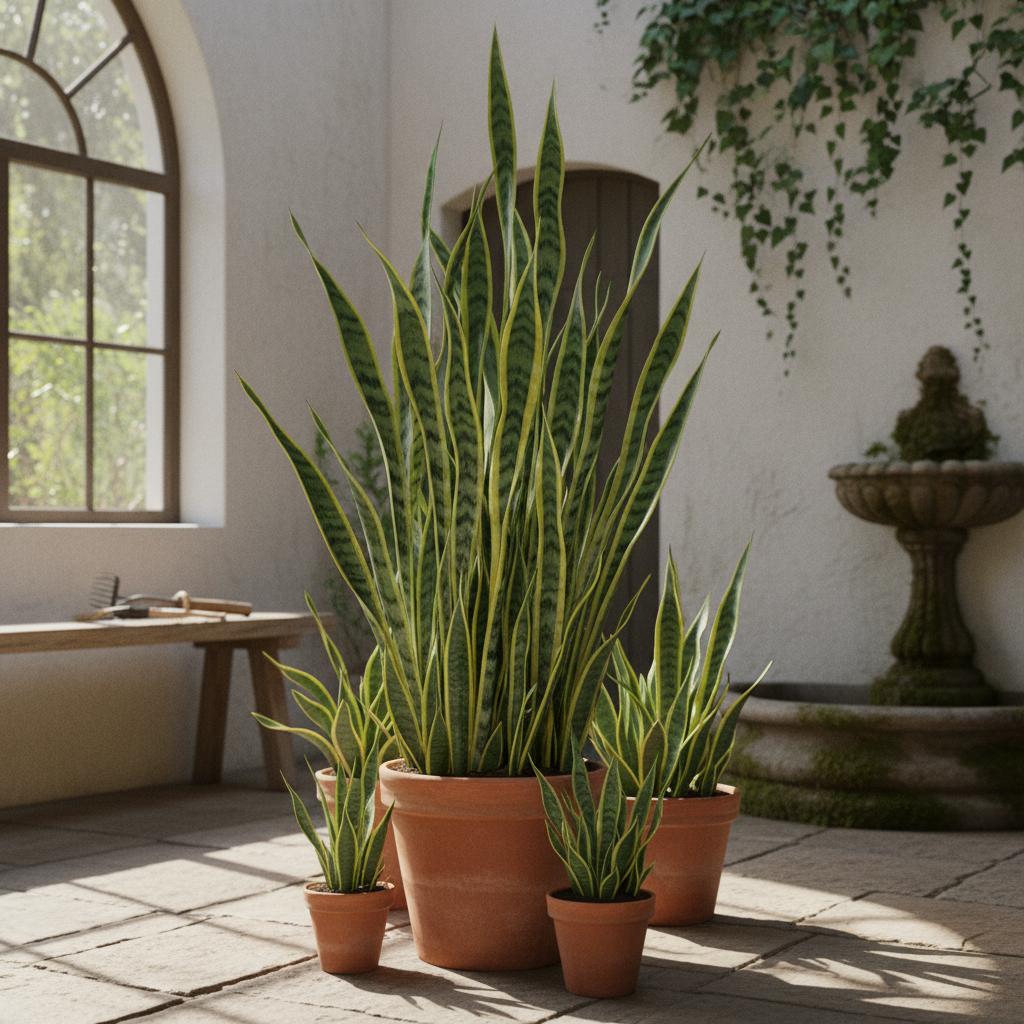
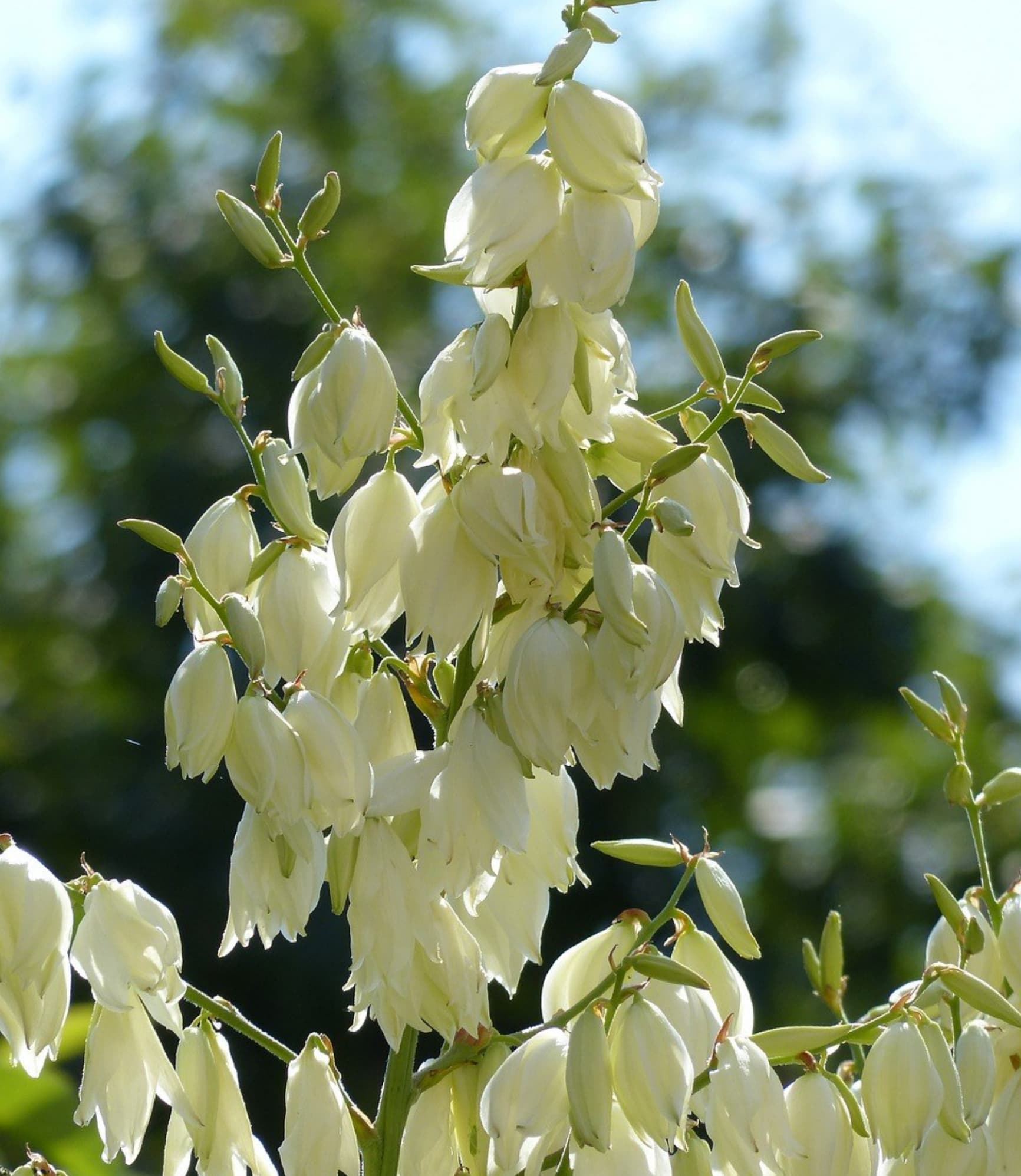
The following plants look similar and may be confused:
Related Toxic Plants

Download PlantFun App
Identify, grow and care for plants effectively!
Instant Plant ID
Take a photo to quickly identify plants.
Smart Care Reminders
Generate watering and care schedules.
Toxicity & Disease Diagnosis
Identify toxic plants and pests with treatment advice.

Data Sources
This information is for reference only and does not constitute medical advice. If ingestion or poisoning is suspected, seek medical or veterinary attention immediately.