 PlantFun
Malaysian Dracaena Toxic?
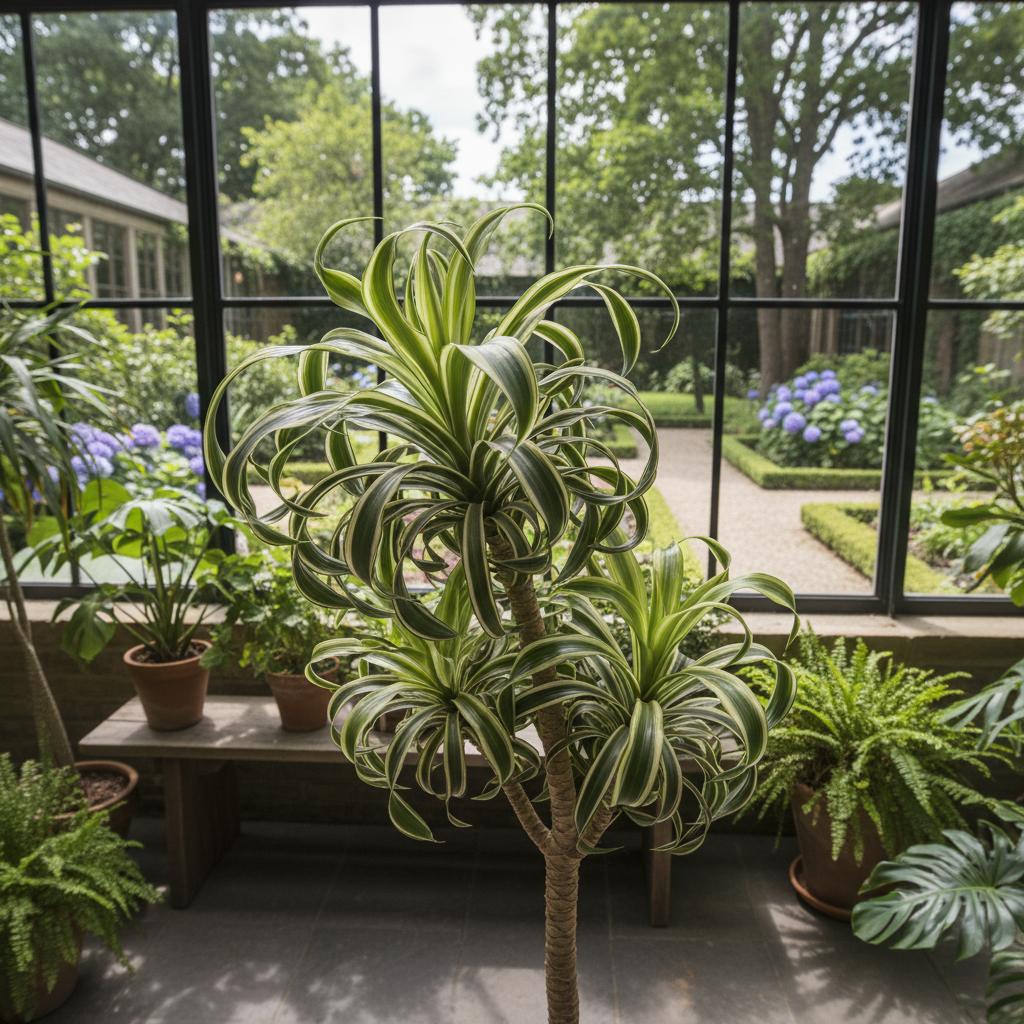
Dracaena reflexa is confirmed toxic to cats, dogs, and horses per ASPCA toxicology data
Saponins are the primary toxic compounds present in all above-ground parts of this plant
Ingestion can trigger distressing gastrointestinal, neurological, and behavioral symptoms in affected animals
FAQ
Is Malaysian Dracaena toxic to Humans?
No confirmed severe human toxicity cases are documented, but ingestion may cause mild gastrointestinal upset, and skin contact may trigger transient irritation in sensitive people (Low)
Is Malaysian Dracaena toxic to Cats?
Vomiting (occasionally with blood), depression, anorexia, hypersalivation, dilated pupils (Moderate)
Is Malaysian Dracaena toxic to Dogs?
Vomiting (occasionally with blood), depression, anorexia, hypersalivation (Moderate)
Is Malaysian Dracaena toxic to Horses?
Colic (horses cannot vomit), depression, reduced appetite, hypersalivation (Moderate)
Toxicity Details
No confirmed severe human toxicity cases are documented, but ingestion may cause mild gastrointestinal upset, and skin contact may trigger transient irritation in sensitive people
Vomiting (occasionally with blood), depression, anorexia, hypersalivation, dilated pupils
Vomiting (occasionally with blood), depression, anorexia, hypersalivation
Colic (horses cannot vomit), depression, reduced appetite, hypersalivation
Toxicity Snapshot
First Aid & Prevention
First 30 Minutes
- • Immediately remove any remaining plant pieces from the affected animal's mouth and surrounding area to prevent further ingestion
- • Rinse the animal's mouth thoroughly with clean room-temperature water to flush residual saponins
- • Monitor the animal closely for early signs of toxicity including hypersalivation and restlessness
Contact Vet Immediately
- • Your pet or horse has ingested any quantity of Dracaena reflexa plant material
- • You observe clinical signs including vomiting (potentially with blood), dilated pupils (cats), lethargy, or loss of appetite
- • Symptoms persist or worsen after initial first aid steps are completed
Prevention
- • Place all Dracaena reflexa plants in areas completely inaccessible to cats, dogs, and horses, including elevated shelves or locked outdoor enclosures
- • Clearly label all potted Dracaena plants to inform household members, pet sitters, and farm staff of their toxic risk
- • Opt for non-toxic alternative houseplants if you share your space with pets or grazing livestock
Treatment & Prognosis
- • Veterinary administration of anti-emetics to control vomiting and gastrointestinal protectants to soothe irritated mucosal linings
- • Fluid therapy to correct dehydration and electrolyte imbalances caused by repeated vomiting or reduced food intake
- • Supportive care to address secondary symptoms like depression or anorexia as recommended by the treating veterinarian
Professional Toxicology
• Saponin compounds irritate the sensitive mucosal lining of the gastrointestinal tract upon ingestion, leading to vomiting, hypersalivation, and anorexia
• In cats, saponins may also exert mild effects on the nervous system, causing dilated pupils and depression
Information from CliniTox veterinary text.
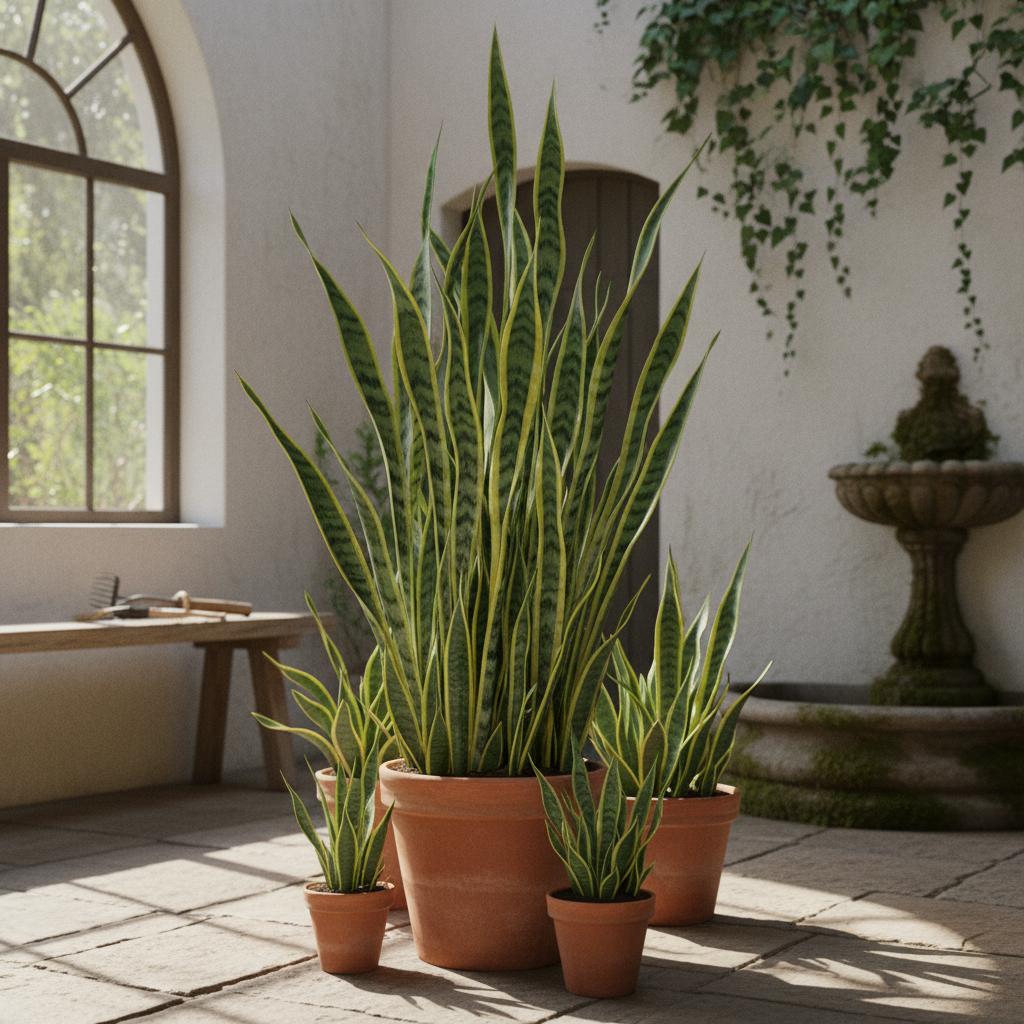
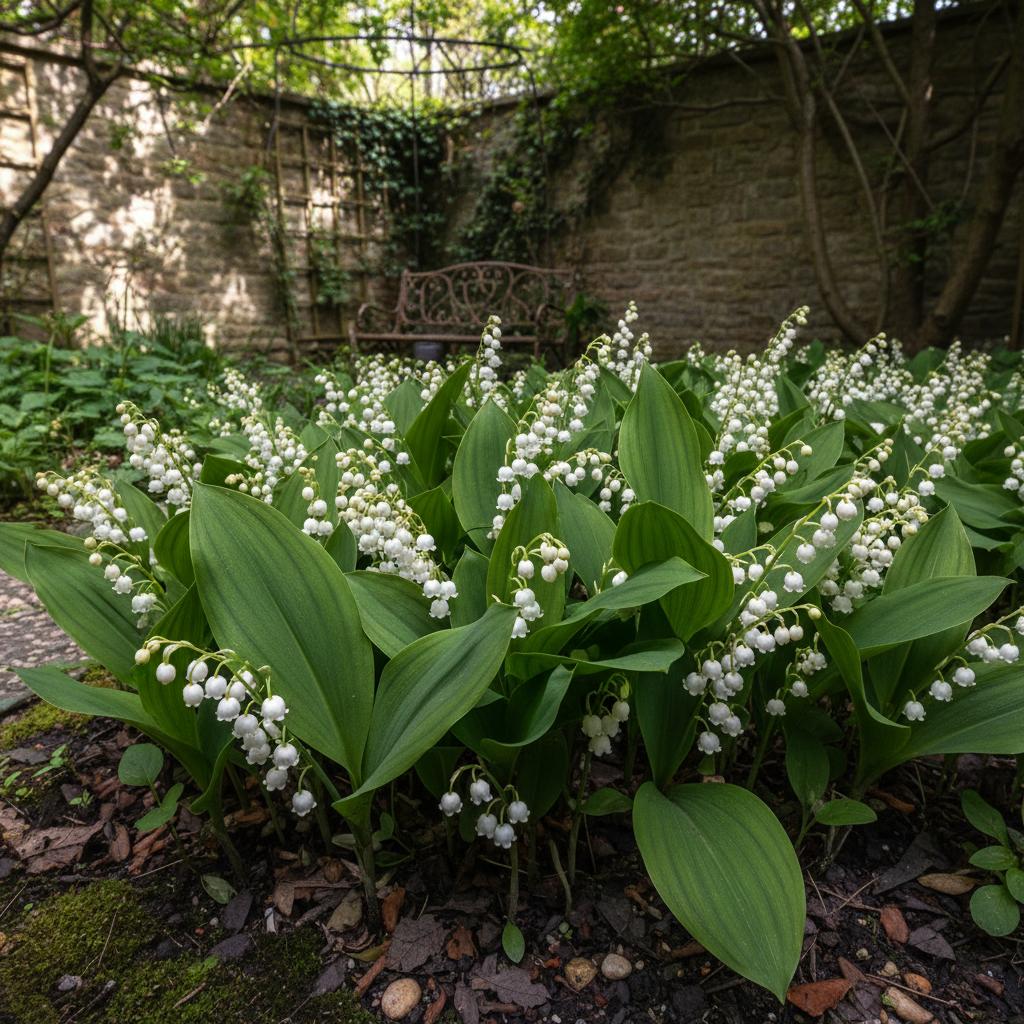
The following plants look similar and may be confused:
Related Toxic Plants

Download PlantFun App
Identify, grow and care for plants effectively!
Instant Plant ID
Take a photo to quickly identify plants.
Smart Care Reminders
Generate watering and care schedules.
Toxicity & Disease Diagnosis
Identify toxic plants and pests with treatment advice.

Data Sources
This information is for reference only and does not constitute medical advice. If ingestion or poisoning is suspected, seek medical or veterinary attention immediately.