 PlantFun
Warneckei Dracaena Toxic?

Dracaena deremensis is confirmed toxic to cats, dogs, and horses per ASPCA toxicology data
Saponins, the primary toxic compound, are present in all parts of the plant
Ingestion leads to gastrointestinal distress, with cats additionally at risk of dilated pupils
FAQ
Is Warneckei Dracaena toxic to Humans?
Limited documented toxicity; ingestion may cause mild oral irritation, nausea, and loose stools (Low)
Is Warneckei Dracaena toxic to Cats?
Vomiting (occasionally with blood), depression, anorexia, hypersalivation, dilated pupils (Moderate)
Is Warneckei Dracaena toxic to Dogs?
Vomiting, depression, reduced appetite, hypersalivation, general lethargy (Moderate)
Is Warneckei Dracaena toxic to Horses?
Colic, reduced feed intake, hypersalivation, depression, occasional loose feces (Moderate)
Toxicity Details
Limited documented toxicity; ingestion may cause mild oral irritation, nausea, and loose stools
Vomiting (occasionally with blood), depression, anorexia, hypersalivation, dilated pupils
Vomiting, depression, reduced appetite, hypersalivation, general lethargy
Colic, reduced feed intake, hypersalivation, depression, occasional loose feces
Toxicity Snapshot
First Aid & Prevention
First 30 Minutes
- • Remove all remaining plant material from the affected animal's mouth and rinse the oral cavity with cool clean water
- • Do not induce vomiting unless explicitly instructed to do so by a veterinarian or poison control professional
- • Closely monitor the animal for onset of symptoms including vomiting, excessive salivation, or lethargy
Contact Vet Immediately
- • The animal has ingested more than 1 small leaf, or any stem/root material of the plant
- • Symptoms including vomiting with blood, dilated pupils, or severe lethargy appear
- • The exposed animal is a kitten, puppy, foal, or has pre-existing health conditions
Prevention
- • Place Warneckei Dracaena plants fully out of reach of pets, horses, and young children
- • Label all houseplants clearly to avoid accidental ingestion by curious household members or animals
- • Choose pet-safe non-toxic houseplant alternatives if you own cats, dogs, or keep horses on your property
Treatment & Prognosis
- • Veterinarians may administer activated charcoal to bind unabsorbed saponins in the gastrointestinal tract
- • Supportive care including IV fluids and anti-emetics will be provided to manage dehydration and vomiting
- • Additional symptomatic care will be administered as needed based on the animal's specific presentation
Professional Toxicology
• Saponins irritate the gastrointestinal mucosa upon ingestion, causing digestive symptoms; mild neurological effects of saponins lead to dilated pupils in exposed cats
Information from CliniTox veterinary text.
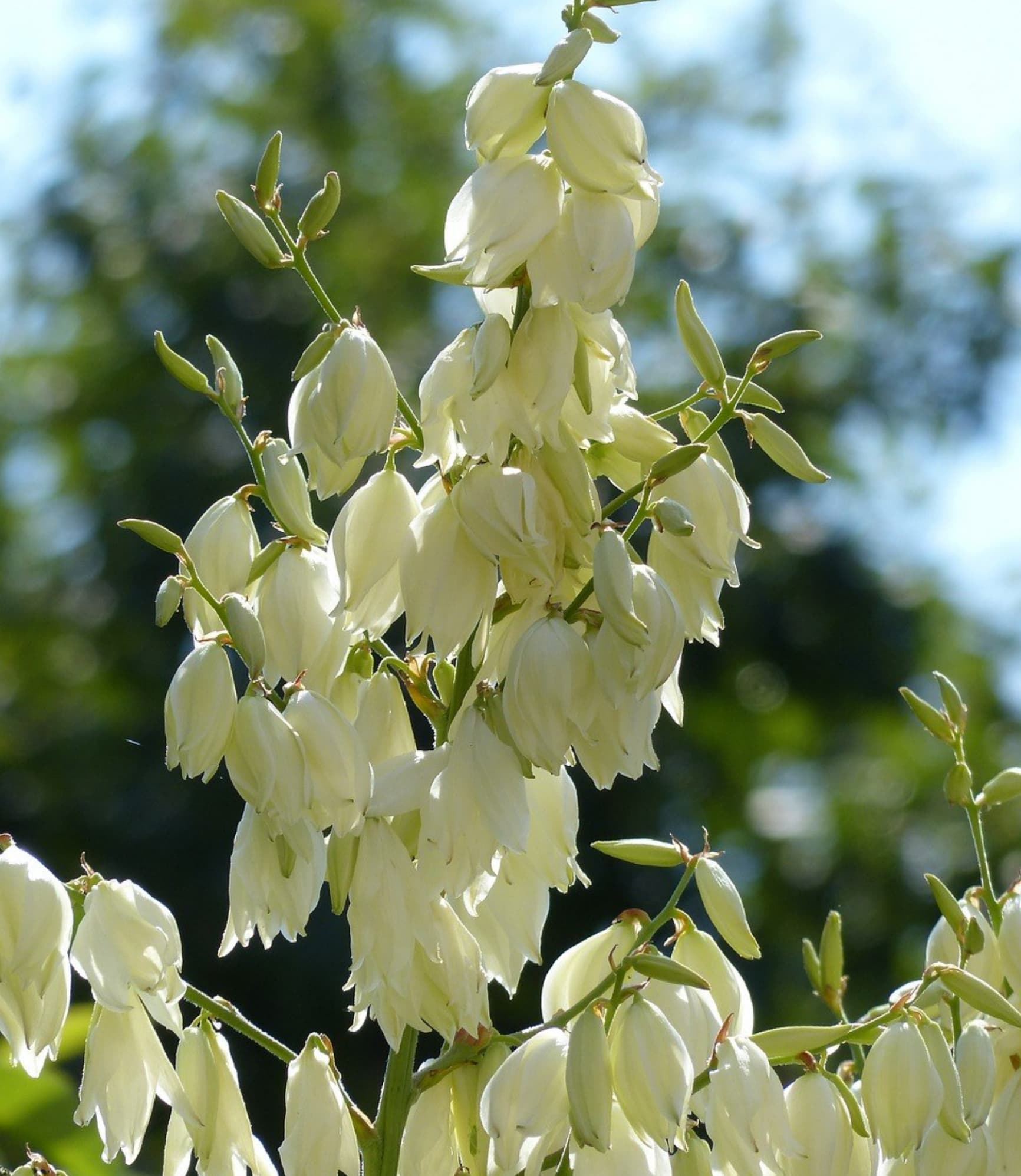
The following plants look similar and may be confused:
Related Toxic Plants


Download PlantFun App
Identify, grow and care for plants effectively!
Instant Plant ID
Take a photo to quickly identify plants.
Smart Care Reminders
Generate watering and care schedules.
Toxicity & Disease Diagnosis
Identify toxic plants and pests with treatment advice.

Data Sources
This information is for reference only and does not constitute medical advice. If ingestion or poisoning is suspected, seek medical or veterinary attention immediately.