 PlantFun
Cape Marigold Toxic?
Dimorphotheca pluvialis is classified as non-toxic to cats, dogs, and horses per verified toxicology data
No severe adverse effects are linked to accidental ingestion of small quantities of this plant
Rare mild irritation may occur in sensitive humans or animals following skin contact or large ingestion
FAQ
Is Cape Marigold toxic to Humans?
No known toxic symptoms; mild skin rash or irritation may occur in rare individuals with Compositae allergies (Non-toxic)
Is Cape Marigold toxic to Cats?
No toxic symptoms expected from normal exposure; mild, temporary gastrointestinal upset may occur with very large ingestion (Non-toxic)
Is Cape Marigold toxic to Dogs?
No toxic symptoms expected from normal exposure; mild, temporary gastrointestinal upset may occur with very large ingestion (Non-toxic)
Is Cape Marigold toxic to Horses?
No toxic symptoms expected from normal exposure; mild, temporary gastrointestinal upset may occur with very large ingestion (Non-toxic)
Toxicity Details
No known toxic symptoms; mild skin rash or irritation may occur in rare individuals with Compositae allergies
No toxic symptoms expected from normal exposure; mild, temporary gastrointestinal upset may occur with very large ingestion
No toxic symptoms expected from normal exposure; mild, temporary gastrointestinal upset may occur with very large ingestion
No toxic symptoms expected from normal exposure; mild, temporary gastrointestinal upset may occur with very large ingestion
Toxicity Snapshot
First Aid & Prevention
First 30 Minutes
- • Rinse mouth thoroughly with clean water if plant material was ingested
- • Wash affected skin with mild soap and cool water if contact irritation develops
- • Monitor for unusual symptoms, especially in sensitive individuals or small pets
Contact Vet Immediately
- • Persistent vomiting, diarrhea, or lethargy in pets lasting longer than 24 hours post exposure
- • Signs of allergic reaction (hives, facial swelling, difficulty breathing) in pets or humans
- • Ingestion of extremely large quantities of the plant by small breed pets or young foals
Prevention
- • Keep plant trimmings away from very young pets that may chew large quantities indiscriminately
- • Wear gardening gloves when handling the plant if you have known allergies to Compositae family plants
- • Avoid placing potted Cape Marigold in areas accessible to pets with pica or unusual chewing habits
Treatment & Prognosis
- • Supportive care (fluids, bland diet) for mild gastrointestinal upset if needed
- • Antihistamines for confirmed allergic reactions per medical or veterinary guidance
- • No specific antidote is required as no severe toxic effects are documented for this species
Professional Toxicology
• No identified toxic mechanism associated with exposure to this plant species
Information from CliniTox veterinary text.
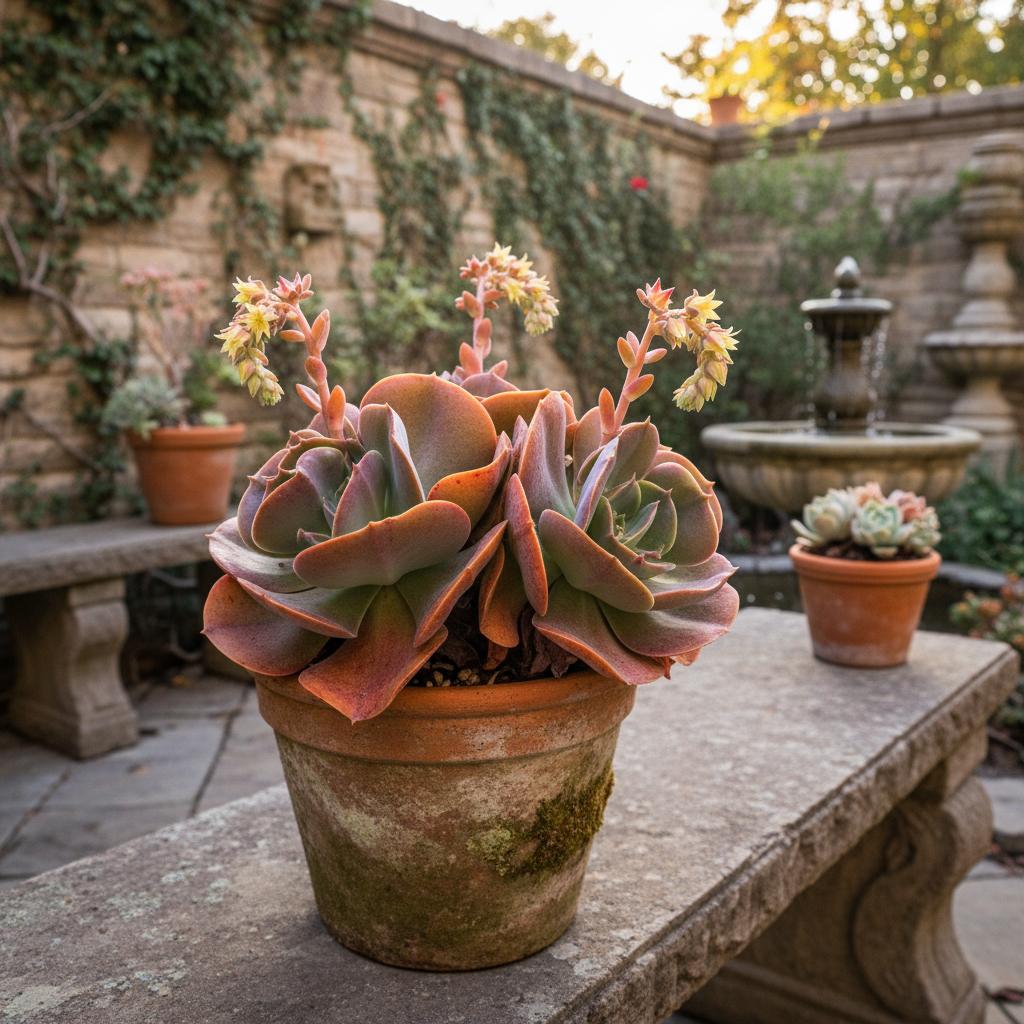
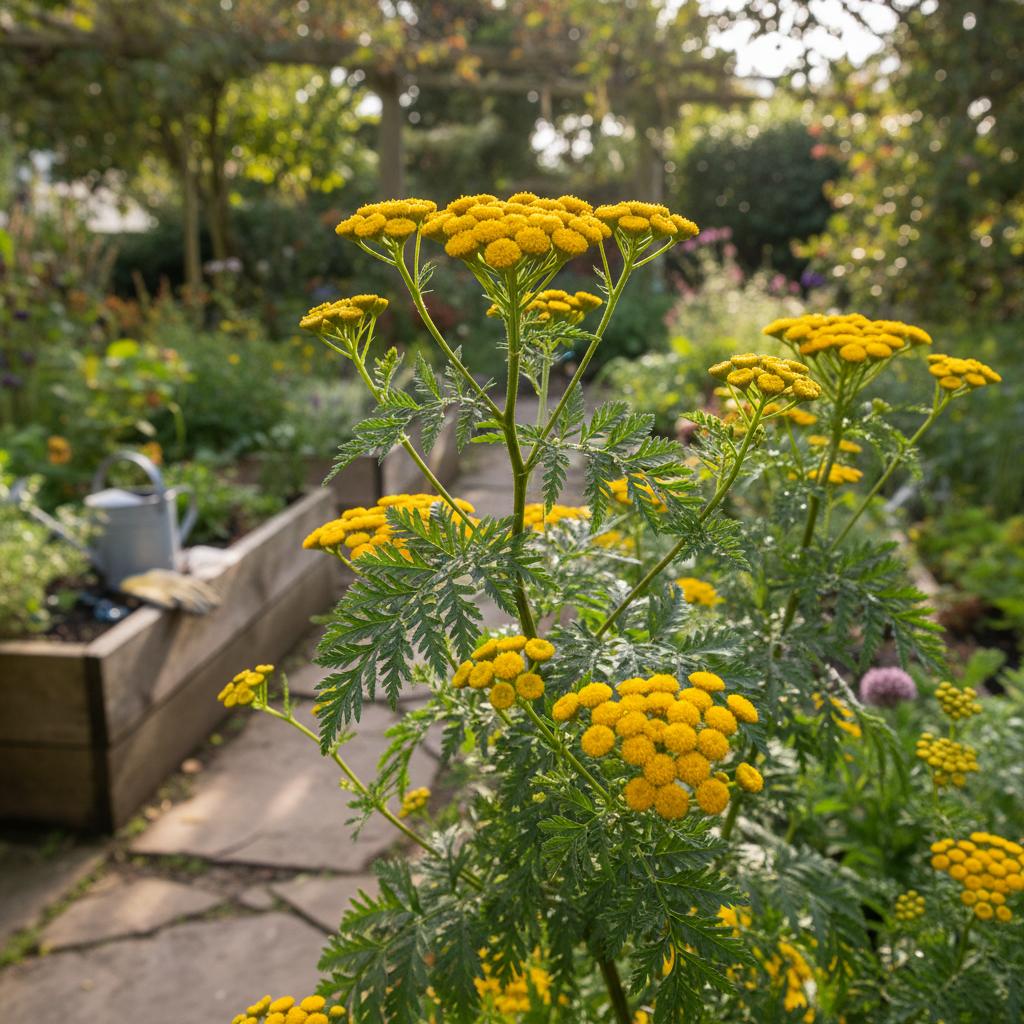
The following plants look similar and may be confused:
Related Toxic Plants

Download PlantFun App
Identify, grow and care for plants effectively!
Instant Plant ID
Take a photo to quickly identify plants.
Smart Care Reminders
Generate watering and care schedules.
Toxicity & Disease Diagnosis
Identify toxic plants and pests with treatment advice.

Data Sources
This information is for reference only and does not constitute medical advice. If ingestion or poisoning is suspected, seek medical or veterinary attention immediately.