 PlantFun
Acorn Squash Toxic?
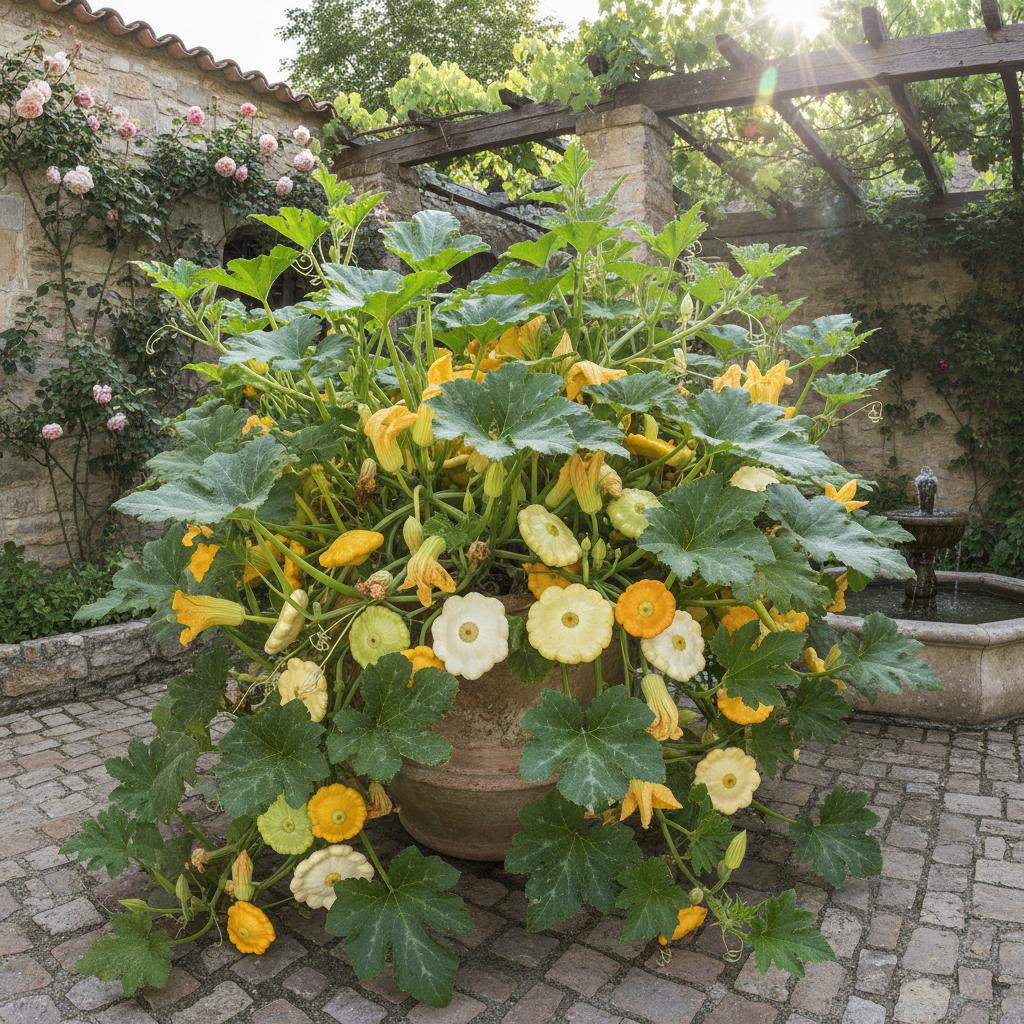
Edible acorn squash is non-toxic to humans and common domestic animals, but is not suitable for use as livestock or pet feed.
Bitter ornamental squash variants of the same Cucurbita pepo species are extremely toxic, containing irritating cucurbitacins.
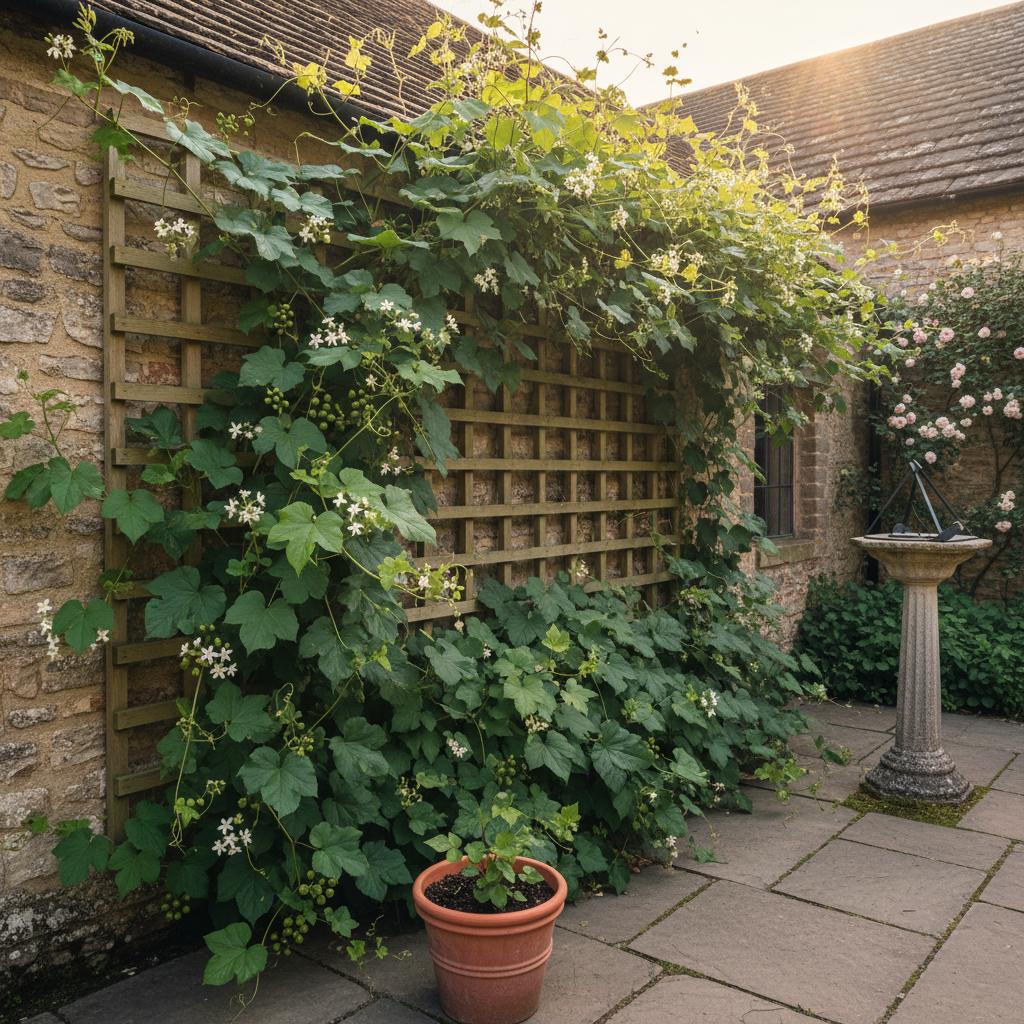
There is high risk of confusing edible acorn squash with highly toxic Bryonia species and ornamental Cucurbita varieties.
FAQ
Is Acorn Squash toxic to Humans?
Ingestion of toxic ornamental variants causes nausea, vomiting, diarrhea, severe abdominal pain, and gastrointestinal irritation (Non-toxic)
Is Acorn Squash toxic to Cats?
Ingestion of toxic ornamental variants causes drooling, vomiting, diarrhea, abdominal discomfort, and lethargy (Non-toxic)
Is Acorn Squash toxic to Dogs?
Ingestion of toxic ornamental variants causes drooling, vomiting, diarrhea, abdominal pain, and reduced appetite (Non-toxic)
Is Acorn Squash toxic to Horses?
Ingestion of toxic ornamental variants causes gastrointestinal irritation, diarrhea, colic, and lethargy (Non-toxic)
Toxicity Details
Ingestion of toxic ornamental variants causes nausea, vomiting, diarrhea, severe abdominal pain, and gastrointestinal irritation
Ingestion of toxic ornamental variants causes drooling, vomiting, diarrhea, abdominal discomfort, and lethargy
Ingestion of toxic ornamental variants causes drooling, vomiting, diarrhea, abdominal pain, and reduced appetite
Ingestion of toxic ornamental variants causes gastrointestinal irritation, diarrhea, colic, and lethargy
Toxicity Snapshot
First Aid & Prevention
First 30 Minutes
- • Immediately rinse the mouth of the exposed person or animal to remove any remaining plant material
- • Do not induce vomiting unless explicitly instructed to do so by a medical professional or veterinarian
- • Collect any remaining plant material for formal identification to confirm if it is edible or toxic
Contact Vet Immediately
- • Your pet or horse has ingested any unknown Cucurbita species plant, especially bitter-tasting variants
- • Your animal displays signs of gastrointestinal distress (vomiting, diarrhea, colic) after suspected squash ingestion
- • You cannot confirm if the ingested squash is edible acorn squash or a toxic ornamental variant
Prevention
- • Clearly separate edible acorn squash plants from ornamental Cucurbita varieties in gardens and storage areas
- • Never feed any Cucurbita plant material to pets or livestock unless confirmed to be edible and approved for animal consumption
- • Discard any squash that tastes bitter, as bitterness indicates dangerous levels of cucurbitacins
Treatment & Prognosis
- • Provide supportive care including fluid therapy and gastrointestinal protectants as prescribed by a medical provider or veterinarian
- • Manage symptoms of dehydration and gastrointestinal irritation for severe exposure cases
- • No specific antidote exists for cucurbitacin poisoning, so care is fully focused on symptom management
Professional Toxicology
• Cucurbitacins in toxic ornamental variants cause severe irritation to the gastrointestinal mucosa, leading to inflammatory responses and acute gastrointestinal distress
Information from CliniTox veterinary text.
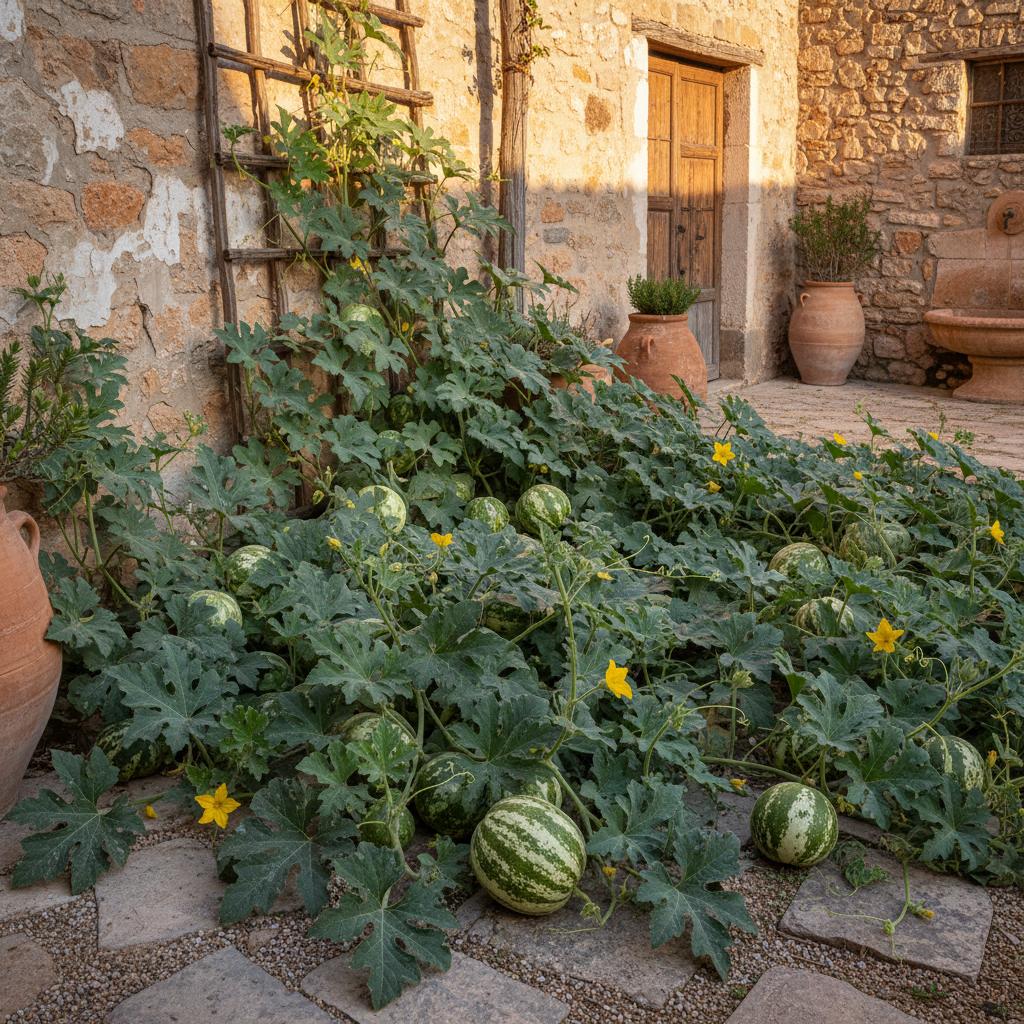
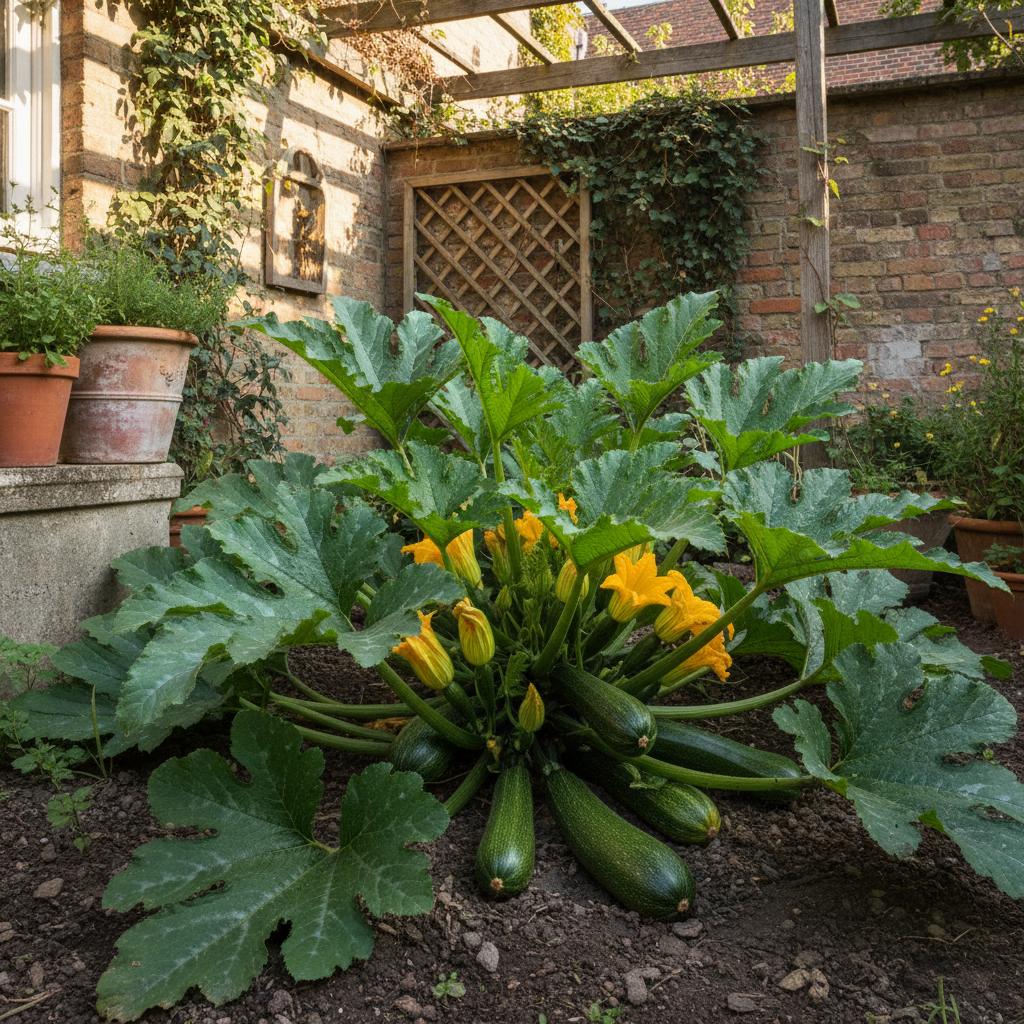
The following plants look similar and may be confused:
Related Toxic Plants
Download PlantFun App
Identify, grow and care for plants effectively!
Instant Plant ID
Take a photo to quickly identify plants.
Smart Care Reminders
Generate watering and care schedules.
Toxicity & Disease Diagnosis
Identify toxic plants and pests with treatment advice.

Data Sources
This information is for reference only and does not constitute medical advice. If ingestion or poisoning is suspected, seek medical or veterinary attention immediately.