 PlantFun
Orange Toxic?

Ripe orange fruit flesh is safe for human consumption, while peels, leaves, stems and seeds are toxic to cats, dogs and horses.
Toxic active components confirmed by ASPCA are essential oils and psoralens.
Exposure to toxic plant parts may cause gastrointestinal distress, neurological symptoms or skin irritation in susceptible animals.
FAQ
Is Orange toxic to Humans?
No confirmed toxic effects from standard consumption of fruit flesh; excessive peel ingestion may cause mild gastrointestinal upset. (Non-toxic)
Is Orange toxic to Cats?
Vomiting, diarrhea, depression, potential contact dermatitis (Low)
Is Orange toxic to Dogs?
Vomiting, diarrhea, depression, potential contact dermatitis (Low)
Is Orange toxic to Horses?
Colic (horses cannot vomit), diarrhea, depression, potential contact dermatitis (Low)
Toxicity Details
No confirmed toxic effects from standard consumption of fruit flesh; excessive peel ingestion may cause mild gastrointestinal upset.
Vomiting, diarrhea, depression, potential contact dermatitis
Vomiting, diarrhea, depression, potential contact dermatitis
Colic (horses cannot vomit), diarrhea, depression, potential contact dermatitis
Toxicity Snapshot
First Aid & Prevention
First 30 Minutes
- • Remove any remaining plant material from the exposed animal's mouth and rinse mouth with clean water if ingestion occurred.
- • Wash affected skin with mild soap and cool water immediately if skin contact with toxic plant parts occurs.
- • Monitor for symptom onset, and record the type and approximate amount of plant material the animal was exposed to.
Contact Vet Immediately
- • If the animal ingested large quantities of peels, leaves or other toxic plant parts
- • If persistent vomiting, diarrhea, lethargy, or skin irritation appears after exposure
- • If the exposed animal is a horse, as ingestion may trigger life-threatening colic
Prevention
- • Store discarded orange peels, plant trimmings and potted orange trees out of reach of cats, dogs and horses.
- • Never feed orange peels, leaves, stems or seeds to companion animals or livestock.
- • Wash hands thoroughly after handling large amounts of orange peels to avoid transferring irritants to pets.
Treatment & Prognosis
- • Veterinarians may administer activated charcoal and induce vomiting (for non-equine animals) to reduce toxic compound absorption.
- • Supportive fluid therapy may be provided to address dehydration caused by diarrhea and vomiting.
- • Topical corticosteroids may be prescribed to alleviate contact dermatitis if present.
Professional Toxicology
• Essential oils irritate the gastrointestinal tract and cause mild central nervous system depression
• Psoralens trigger photosensitivity and skin irritation when exposed to UV light after contact or ingestion
Information from CliniTox veterinary text.
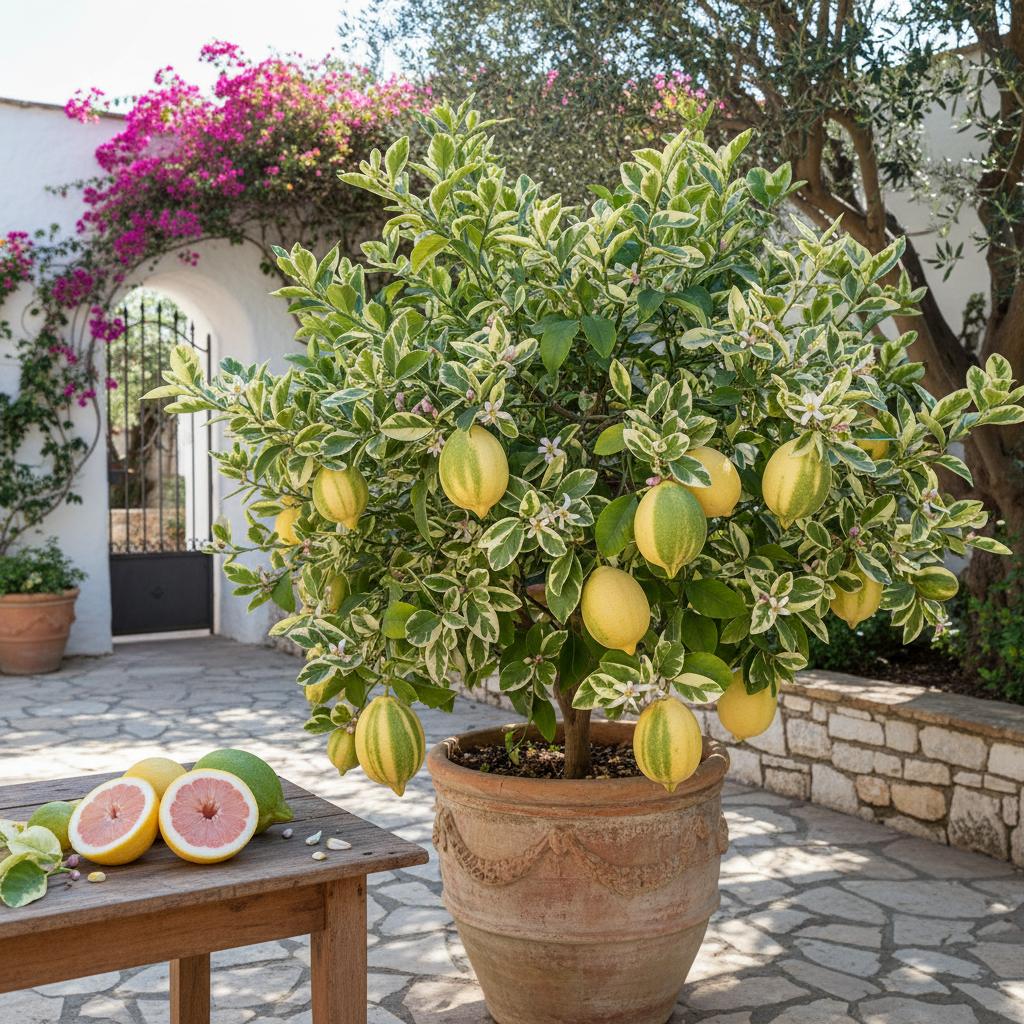
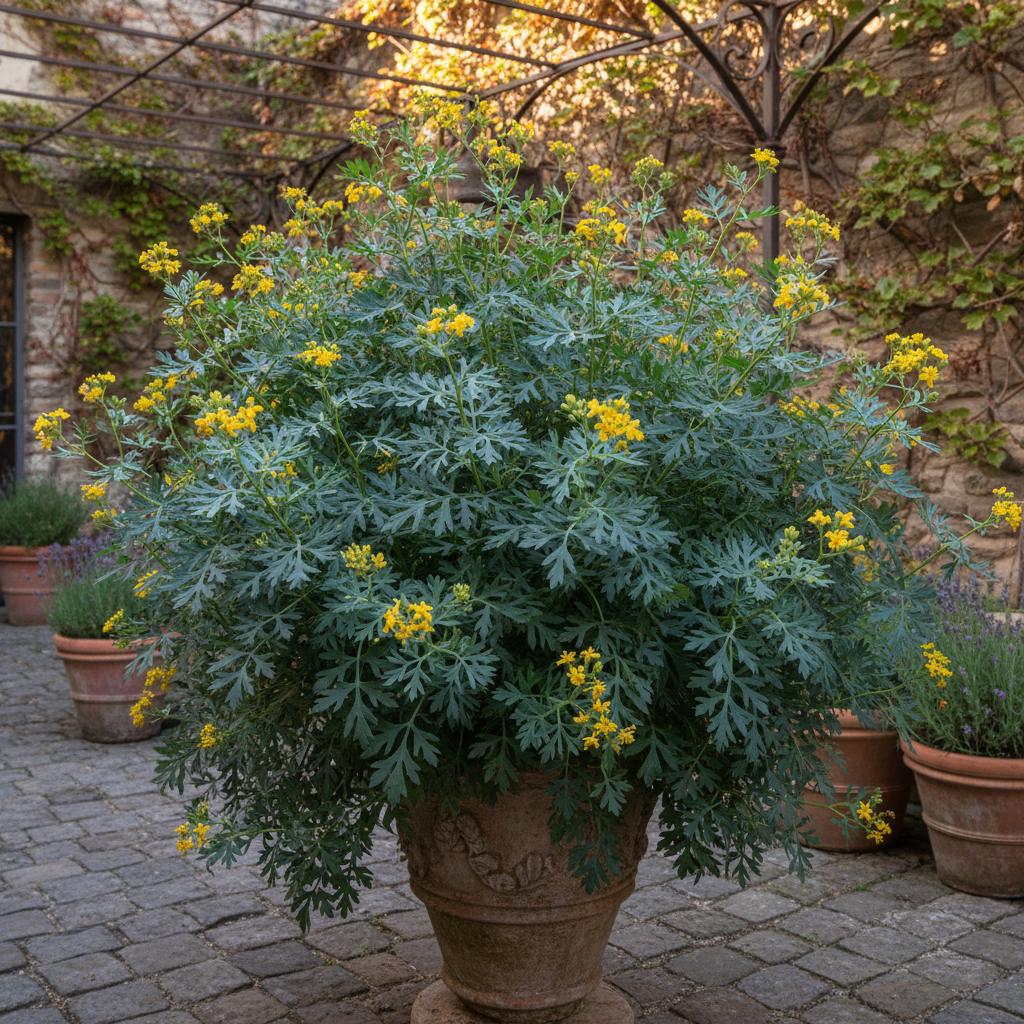
The following plants look similar and may be confused:
Related Toxic Plants

Download PlantFun App
Identify, grow and care for plants effectively!
Instant Plant ID
Take a photo to quickly identify plants.
Smart Care Reminders
Generate watering and care schedules.
Toxicity & Disease Diagnosis
Identify toxic plants and pests with treatment advice.

Data Sources
This information is for reference only and does not constitute medical advice. If ingestion or poisoning is suspected, seek medical or veterinary attention immediately.