 PlantFun
Cornflower Toxic?

Cornflower is confirmed non-toxic for cats and dogs, with no associated harmful effects from accidental ingestion.
No formal data is available on cornflower toxicity for horses, so access should be restricted as a precaution.
No severe toxic effects in humans are linked to casual contact or small amounts of accidental cornflower ingestion.
FAQ
Is Cornflower toxic to Humans?
No adverse symptoms expected from casual contact or small ingestion; very large consumption may rarely cause mild gastrointestinal upset. (Non-toxic)
Is Cornflower toxic to Cats?
No toxic symptoms expected, as cornflower is confirmed non-toxic to feline species. (Non-toxic)
Is Cornflower toxic to Dogs?
No toxic symptoms expected, as cornflower is confirmed non-toxic to canine species. (Non-toxic)
Is Cornflower toxic to Horses?
Symptoms are unconfirmed due to lack of toxicity data; monitor for digestive upset or unusual behavior if large quantities are ingested. (Unknown)
Toxicity Details
No adverse symptoms expected from casual contact or small ingestion; very large consumption may rarely cause mild gastrointestinal upset.
No toxic symptoms expected, as cornflower is confirmed non-toxic to feline species.
No toxic symptoms expected, as cornflower is confirmed non-toxic to canine species.
Symptoms are unconfirmed due to lack of toxicity data; monitor for digestive upset or unusual behavior if large quantities are ingested.
Toxicity Snapshot
First Aid & Prevention
First 30 Minutes
- • For cat/dog ingestion: No immediate action is required unless your pet shows signs of unrelated allergy or discomfort.
- • For horse ingestion: Remove remaining plant access and monitor the animal for 2 to 4 hours for unusual symptoms.
- • For human large ingestion: Rinse mouth with water, consume small amounts of fluids, and monitor for mild stomach upset.
Contact Vet Immediately
- • Your horse ingests large amounts of cornflower and shows signs of colic, lethargy, or loss of appetite.
- • Your cat or dog shows persistent unusual symptoms after ingestion, which may indicate an unrelated sensitivity.
- • You are unsure of the quantity of cornflower ingested by your horse or other livestock animal.
Prevention
- • Limit access to cornflower plants for horses until formal equine toxicity data is published.
- • Confirm plant identification before allowing pets or livestock to forage in areas with wild cornflower growth.
- • Keep cut cornflower arrangements out of reach of curious horses as a precautionary measure.
Treatment & Prognosis
- • No specific treatment is required for non-toxic ingestion in cats and dogs; supportive care may be provided for unrelated mild allergy symptoms.
- • For horses showing adverse symptoms after ingestion, provide symptomatic supportive care as directed by a licensed veterinarian.
- • For humans experiencing persistent gastrointestinal upset after large ingestion, seek medical advice for symptomatic treatment.
Professional Toxicology
• No toxic mechanism identified for cats and dogs; potential mechanism of toxicity in horses is unstudied and unknown
Information from CliniTox veterinary text.
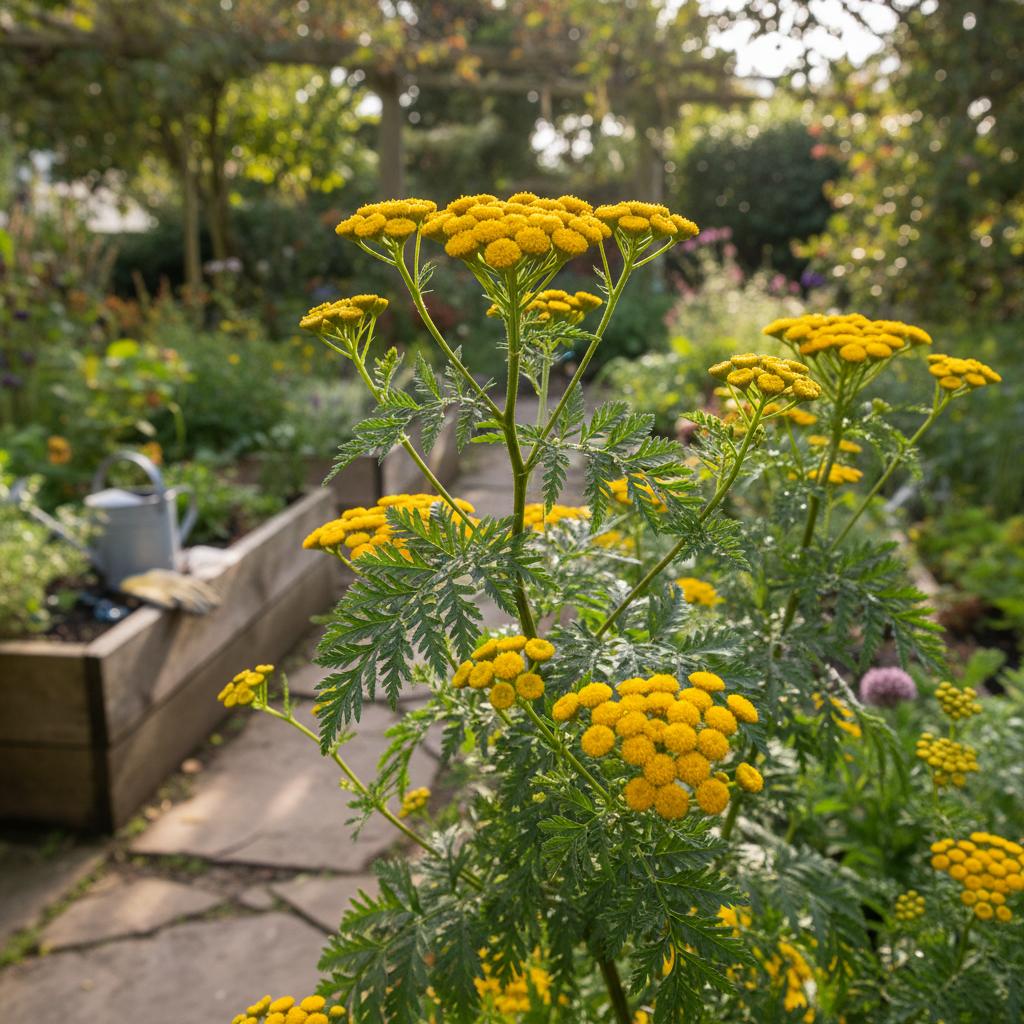
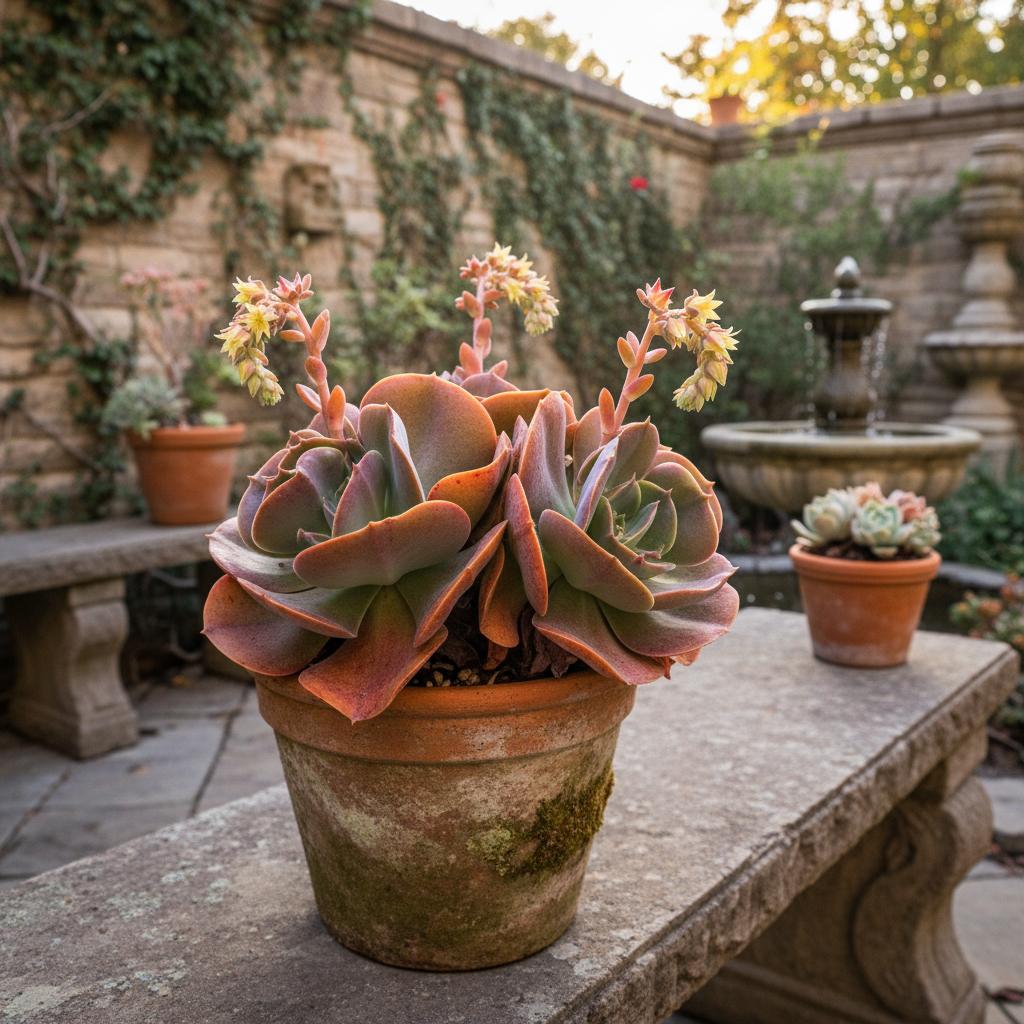
The following plants look similar and may be confused:
Related Toxic Plants

Download PlantFun App
Identify, grow and care for plants effectively!
Instant Plant ID
Take a photo to quickly identify plants.
Smart Care Reminders
Generate watering and care schedules.
Toxicity & Disease Diagnosis
Identify toxic plants and pests with treatment advice.

Data Sources
This information is for reference only and does not constitute medical advice. If ingestion or poisoning is suspected, seek medical or veterinary attention immediately.