 PlantFun
Plumed cockscomb Toxic?
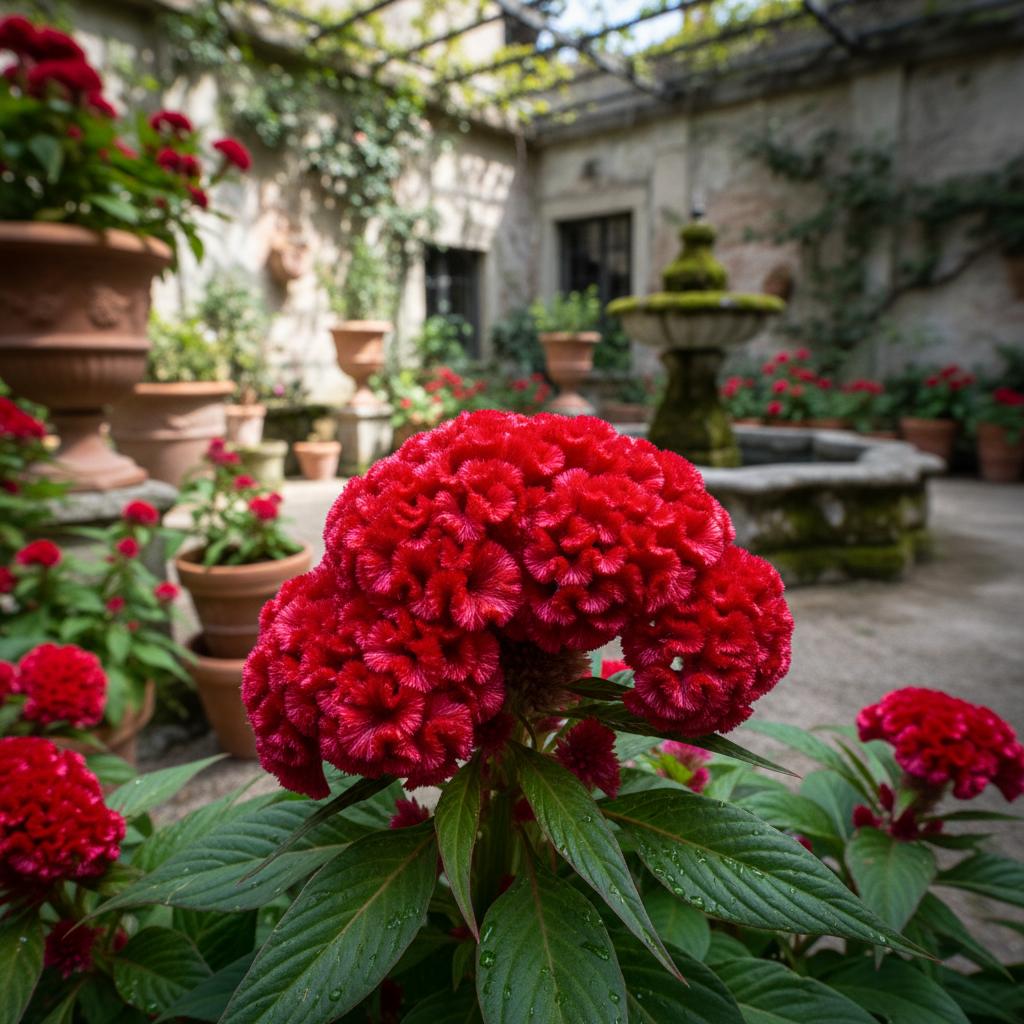
Contains oxalates in all plant parts and saponins specifically in roots and seeds
No formal animal or human poisoning cases have been recorded in published literature to date
Strictly unsuitable for use as feed for pets, livestock, or grazing animals regardless of no reported cases
FAQ
Is Plumed cockscomb toxic to Humans?
No confirmed poisoning symptoms reported; may cause mild oral irritation, nausea or diarrhea if large quantities are ingested (Non-toxic)
Is Plumed cockscomb toxic to Cats?
No confirmed poisoning symptoms reported; may cause mild vomiting or gastrointestinal upset if large quantities are ingested (Non-toxic)
Is Plumed cockscomb toxic to Dogs?
No confirmed poisoning symptoms reported; may cause mild vomiting or gastrointestinal upset if large quantities are ingested (Non-toxic)
Is Plumed cockscomb toxic to Horses?
No confirmed poisoning symptoms reported; may cause mild colic or diarrhea if large quantities are ingested (Non-toxic)
Toxicity Details
No confirmed poisoning symptoms reported; may cause mild oral irritation, nausea or diarrhea if large quantities are ingested
No confirmed poisoning symptoms reported; may cause mild vomiting or gastrointestinal upset if large quantities are ingested
No confirmed poisoning symptoms reported; may cause mild vomiting or gastrointestinal upset if large quantities are ingested
No confirmed poisoning symptoms reported; may cause mild colic or diarrhea if large quantities are ingested
Toxicity Snapshot
First Aid & Prevention
First 30 Minutes
- • Remove any remaining plant material from the mouth of the exposed human or animal immediately
- • Rinse the mouth thoroughly with cool, clean water to remove residual plant matter
- • Monitor closely for signs of gastrointestinal discomfort for the first 24 hours post-ingestion
Contact Vet Immediately
- • If a pet or horse ingests large volumes of the plant
- • If persistent vomiting, diarrhea, abdominal pain or swelling develops after ingestion
- • If signs of allergic reaction including difficulty breathing are observed
Prevention
- • Keep potted or garden specimens out of reach of pets and grazing livestock
- • Never include this plant in homemade feed mixes for any animal species
- • Label plants clearly to avoid accidental ingestion by children or foragers
Treatment & Prognosis
- • Supportive care including fluid administration to address dehydration from gastrointestinal symptoms
- • Symptomatic treatment for mucosal irritation caused by oxalate exposure
- • No specific antidote exists; all care is targeted to presented clinical signs
Professional Toxicology
• Oxalate crystals may cause mild irritation to oral and gastrointestinal mucosal linings if ingested in high doses
• Saponins in root and seed tissues may contribute to mild gastrointestinal upset in large enough quantities
Information from CliniTox veterinary text.
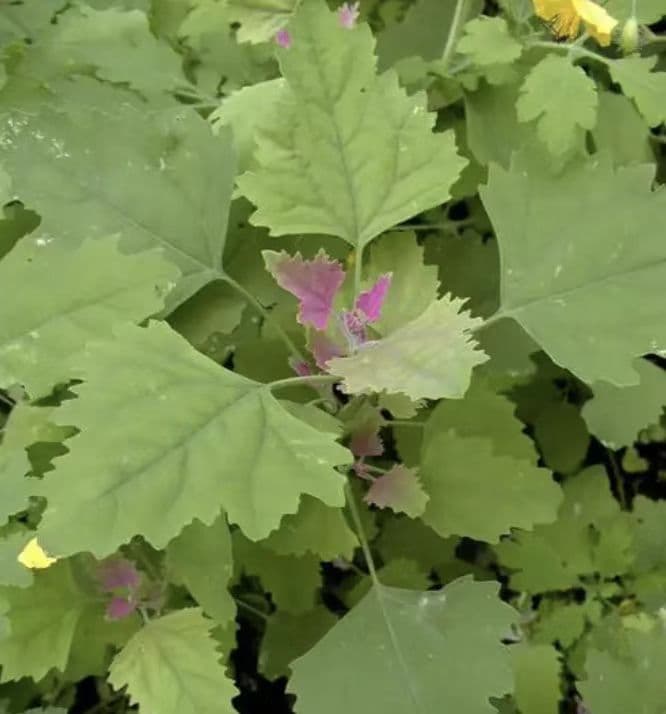
The following plants look similar and may be confused:
Related Toxic Plants


Download PlantFun App
Identify, grow and care for plants effectively!
Instant Plant ID
Take a photo to quickly identify plants.
Smart Care Reminders
Generate watering and care schedules.
Toxicity & Disease Diagnosis
Identify toxic plants and pests with treatment advice.

Data Sources
This information is for reference only and does not constitute medical advice. If ingestion or poisoning is suspected, seek medical or veterinary attention immediately.