 PlantFun
Brunfelsia Toxic?
All plant parts are toxic, with berries being the most toxic component.
Symptoms appear 15-18 hours post-ingestion, ranging from mild ataxia to life-threatening, treatment-resistant seizures lasting over 48 hours.
No specific antidote exists; care relies on decontamination and symptomatic supportive treatment.
FAQ
Is Brunfelsia toxic to Humans?
No confirmed human poisoning cases documented, but ingestion is expected to cause similar gastrointestinal and neurological symptoms as observed in animals. (High)
Is Brunfelsia toxic to Cats?
No species-specific cat toxicity data available, but the plant is suspected to be highly toxic for cats. (High)
Is Brunfelsia toxic to Dogs?
Salivation, oronasal irritation, vomiting, bloody or non-bloody diarrhea, anxiety, depression, ataxia, muscle tremor, hyperthermia, central seizures, nystagmus, opisthotonus; confirmed poisoning cases reported in 4 dogs. (High)
Is Brunfelsia toxic to Horses?
No species-specific horse toxicity data available, but the plant is suspected to be highly toxic for horses. (High)
Toxicity Details
No confirmed human poisoning cases documented, but ingestion is expected to cause similar gastrointestinal and neurological symptoms as observed in animals.
No species-specific cat toxicity data available, but the plant is suspected to be highly toxic for cats.
Salivation, oronasal irritation, vomiting, bloody or non-bloody diarrhea, anxiety, depression, ataxia, muscle tremor, hyperthermia, central seizures, nystagmus, opisthotonus; confirmed poisoning cases reported in 4 dogs.
No species-specific horse toxicity data available, but the plant is suspected to be highly toxic for horses.
Toxicity Snapshot
First Aid & Prevention
First 30 Minutes
- • Remove all remaining plant material from the mouth, skin, or fur of the exposed individual/animal.
- • If ingestion was within 1 hour and the patient is conscious and not seizing, induce vomiting and administer activated charcoal to reduce toxin absorption.
- • Closely monitor for early signs of salivation, unusual behavior, or tremors while seeking emergency care.
Contact Vet Immediately
- • Any confirmed or suspected ingestion of Brunfelsia plant material, even if no symptoms are present.
- • Observation of symptoms including vomiting, diarrhea, ataxia, tremors, or seizures after potential exposure.
- • Unusual lethargy, anxiety, or seizures in pets with access to Brunfelsia plants.
Prevention
- • Keep Brunfelsia plants out of reach of children, pets, and livestock in areas where they are cultivated.
- • Clearly label Brunfelsia plants to avoid accidental ingestion by foraging animals or people mistaking them for non-toxic species.
- • Dispose of pruned Brunfelsia material securely to prevent access by curious pets or livestock.
Treatment & Prognosis
- • Gastrointestinal decontamination via emesis, activated charcoal, or gastric lavage for recent exposures.
- • Administer IV fluids (e.g. Ringer's lactate) to maintain hydration and support organ function.
- • Control seizures with anticonvulsants such as diazepam or phenobarbital as required.
- • Provide additional supportive care including antiemetics, temperature regulation, and antibiotics if secondary infection is suspected.
Professional Toxicology
• Pyrrol-3-carboxamide alkaloid interferes with serotonin regulation in the body
Information from CliniTox veterinary text.
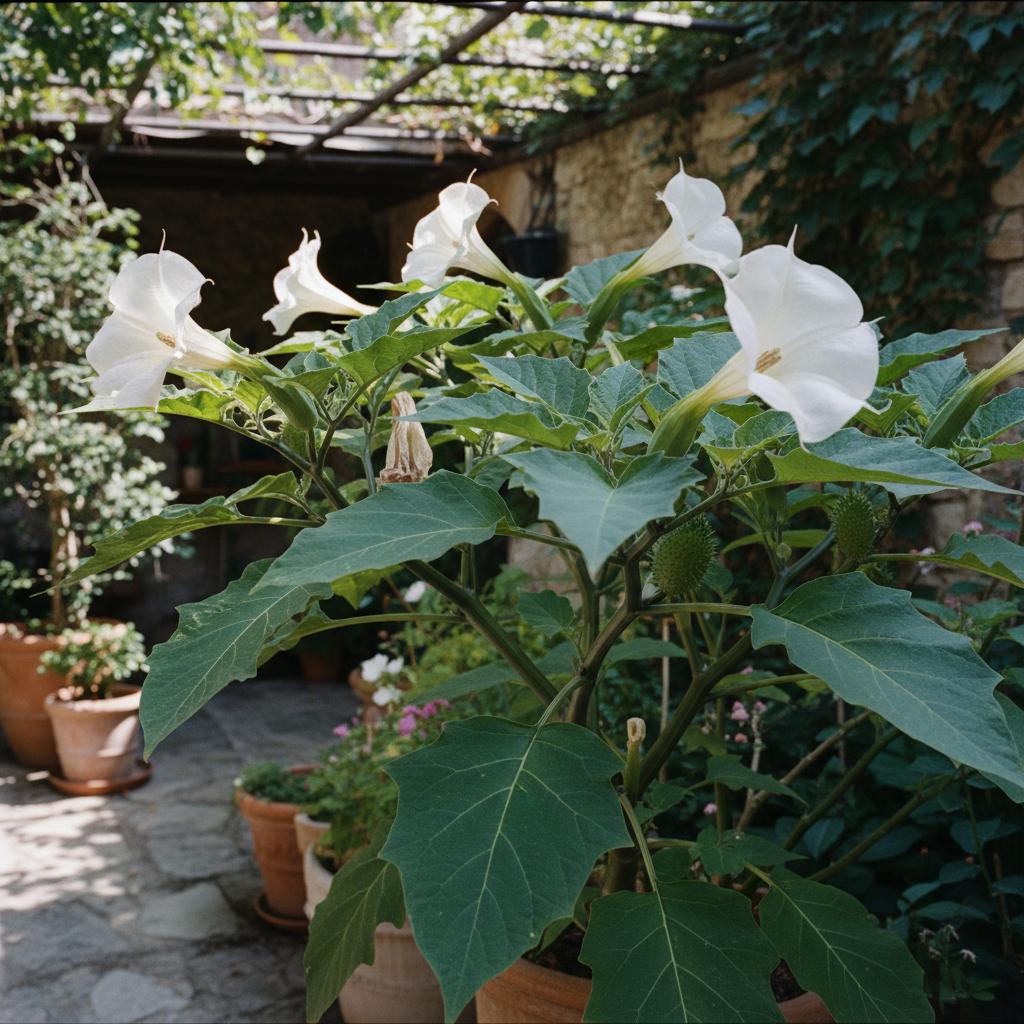
The following plants look similar and may be confused:
Related Toxic Plants


Download PlantFun App
Identify, grow and care for plants effectively!
Instant Plant ID
Take a photo to quickly identify plants.
Smart Care Reminders
Generate watering and care schedules.
Toxicity & Disease Diagnosis
Identify toxic plants and pests with treatment advice.

Data Sources
This information is for reference only and does not constitute medical advice. If ingestion or poisoning is suspected, seek medical or veterinary attention immediately.