 PlantFun
New York aster Toxic?
New York aster can accumulate high selenium content when grown in selenium-rich soils, making it unsuitable for livestock feed
Only Aster species-related poisoning cases have been formally reported in grazing animals to date
No confirmed toxicity cases in cats, dogs, or humans are documented in available peer-reviewed literature
FAQ
Is New York aster toxic to Humans?
No confirmed human poisoning cases reported; high selenium intake may cause nausea, vomiting, hair loss if large quantities are ingested (Non-toxic)
Is New York aster toxic to Cats?
No confirmed feline toxicity cases documented to date; mild gastrointestinal upset may occur with large ingestion (Non-toxic)
Is New York aster toxic to Dogs?
No confirmed canine toxicity cases documented to date; mild gastrointestinal upset may occur with large ingestion (Non-toxic)
Is New York aster toxic to Horses?
Selenium toxicity from ingestion may cause lethargy, reduced appetite, hair loss, and hoof damage in severe cases (Low)
Toxicity Details
No confirmed human poisoning cases reported; high selenium intake may cause nausea, vomiting, hair loss if large quantities are ingested
No confirmed feline toxicity cases documented to date; mild gastrointestinal upset may occur with large ingestion
No confirmed canine toxicity cases documented to date; mild gastrointestinal upset may occur with large ingestion
Selenium toxicity from ingestion may cause lethargy, reduced appetite, hair loss, and hoof damage in severe cases
Toxicity Snapshot
First Aid & Prevention
First 30 Minutes
- • Rinse mouth thoroughly with clean water if plant material is ingested by humans or pets
- • Remove any remaining plant material from the reach of the affected individual or animal
- • Monitor for signs of gastrointestinal upset for 2 to 4 hours post-ingestion
Contact Vet Immediately
- • If a grazing animal shows lethargy, appetite loss, hair loss, or lameness after ingestion
- • If a large quantity of plant material is ingested by any companion animal or livestock
- • If unusual, persistent symptoms develop after ingestion in any species
Prevention
- • Do not plant New York aster in pastures or areas accessible to grazing livestock
- • Never feed any Aster species plant material to livestock as a forage source
- • Keep plants grown in known selenium-rich soils away from pets and livestock
Treatment & Prognosis
- • Provide supportive care for gastrointestinal symptoms if they develop
- • Selenium toxicity may require targeted chelation therapy under veterinary supervision
- • Administer symptom-based care for any secondary organ damage linked to excessive selenium intake
Professional Toxicology
• Excess accumulated selenium in plant tissue disrupts cellular function and protein synthesis in animals that ingest sufficient quantities
Information from CliniTox veterinary text.
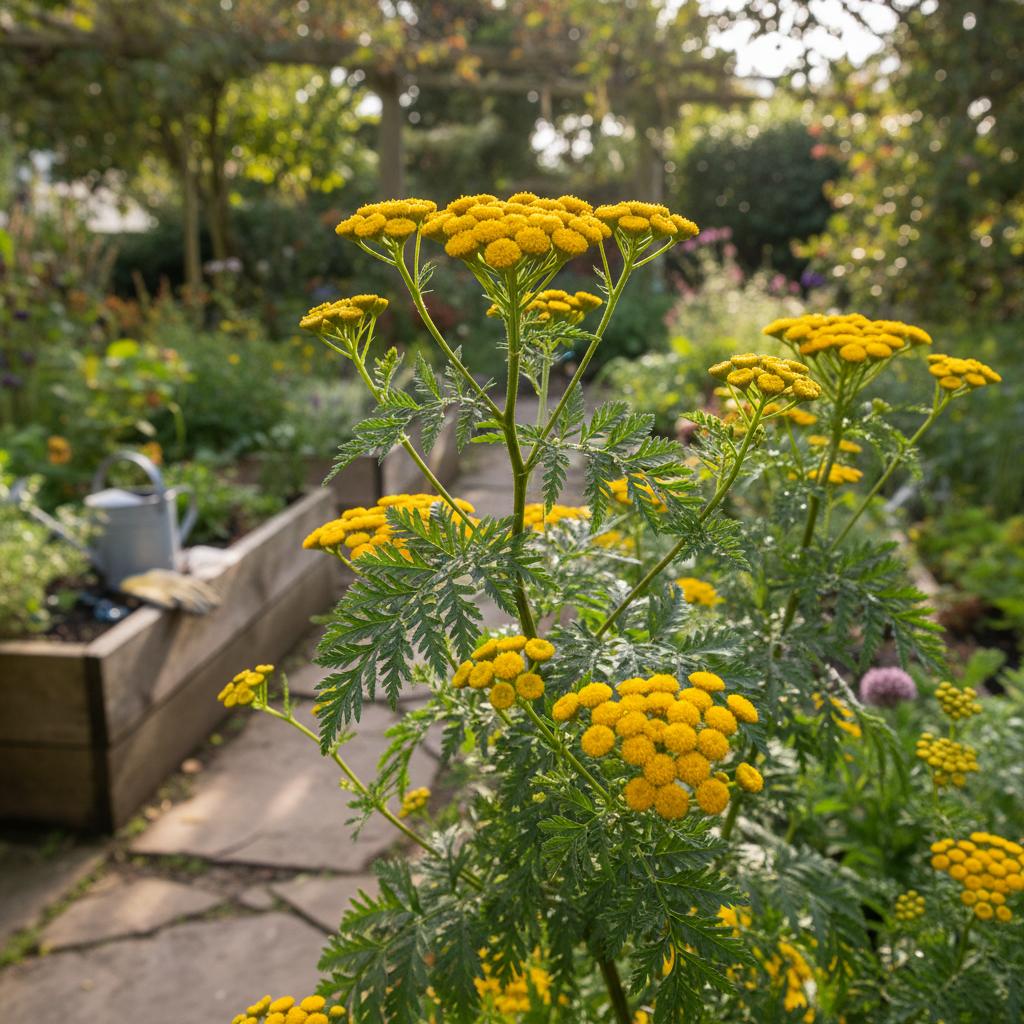
The following plants look similar and may be confused:
Related Toxic Plants

Download PlantFun App
Identify, grow and care for plants effectively!
Instant Plant ID
Take a photo to quickly identify plants.
Smart Care Reminders
Generate watering and care schedules.
Toxicity & Disease Diagnosis
Identify toxic plants and pests with treatment advice.

Data Sources
This information is for reference only and does not constitute medical advice. If ingestion or poisoning is suspected, seek medical or veterinary attention immediately.