 PlantFun
Arnica Toxic?

All parts of Arnica montana are toxic, with a low overall CliniTox toxicity grade
Primary toxic compounds are sesquiterpene lactones, including helenalin concentrated in flower heads (0.3-1% dry weight)
High exposure doses can cause cardiac arrhythmia, cardiac arrest, and abnormal white blood cell counts
FAQ
Is Arnica toxic to Humans?
Cardiac arrhythmia, potential cardiac arrest at high doses; repeated high-dose exposure causes elevated granulocyte counts and reduced lymphocyte counts (Low)
Is Arnica toxic to Cats?
No specific clinical toxicity data documented for this species in available records (Unknown)
Is Arnica toxic to Dogs?
No specific clinical toxicity data documented for this species in available records (Unknown)
Is Arnica toxic to Horses?
No specific clinical toxicity data documented for this species in available records (Unknown)
Toxicity Details
Cardiac arrhythmia, potential cardiac arrest at high doses; repeated high-dose exposure causes elevated granulocyte counts and reduced lymphocyte counts
No specific clinical toxicity data documented for this species in available records
No specific clinical toxicity data documented for this species in available records
No specific clinical toxicity data documented for this species in available records
Toxicity Snapshot
First Aid & Prevention
First 30 Minutes
- • Rinse mouth thoroughly with clean water to remove residual plant material if ingested
- • Induce vomiting only if exposure occurred <10 minutes prior and the patient is fully conscious
- • Avoid unprescribed home remedies, and keep the patient calm to reduce cardiac strain
Contact Vet Immediately
- • Patient exhibits irregular heartbeat, lethargy, or respiratory distress after exposure
- • Ingestion of more than a small nibble of the plant by children, pets, or grazing livestock
- • Patient has pre-existing cardiac or immune system conditions prior to exposure
Prevention
- • Do not grow Arnica in areas accessible to unsupervised children, pets, or grazing livestock
- • Clearly label Arnica plants and medicinal extracts to avoid accidental ingestion
- • Do not consume raw Arnica or use unregulated Arnica products without medical supervision
Treatment & Prognosis
- • Perform gastrointestinal decontamination (activated charcoal, gastric lavage if appropriate for exposure timeline)
- • Continuously monitor cardiac function, administer antiarrhythmic medications as needed to address cardiac symptoms
- • Provide supportive care and monitor complete blood counts to address immune system abnormalities
Professional Toxicology
• Helenalin and other sesquiterpene lactones disrupt cardiac tissue function, leading to arrhythmia and potential cardiac arrest
• Repeated high doses of helenalin alter white blood cell production and distribution, causing immune count abnormalities
Information from CliniTox veterinary text.
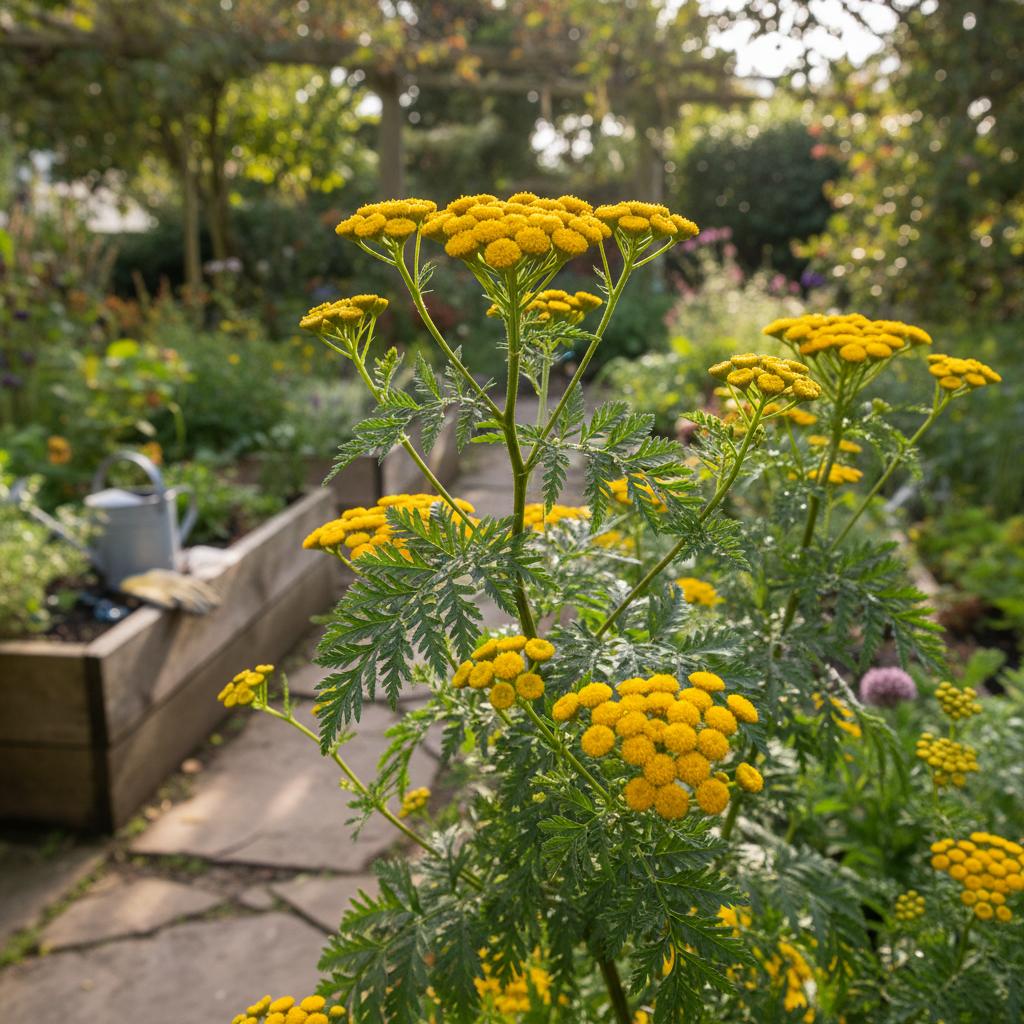
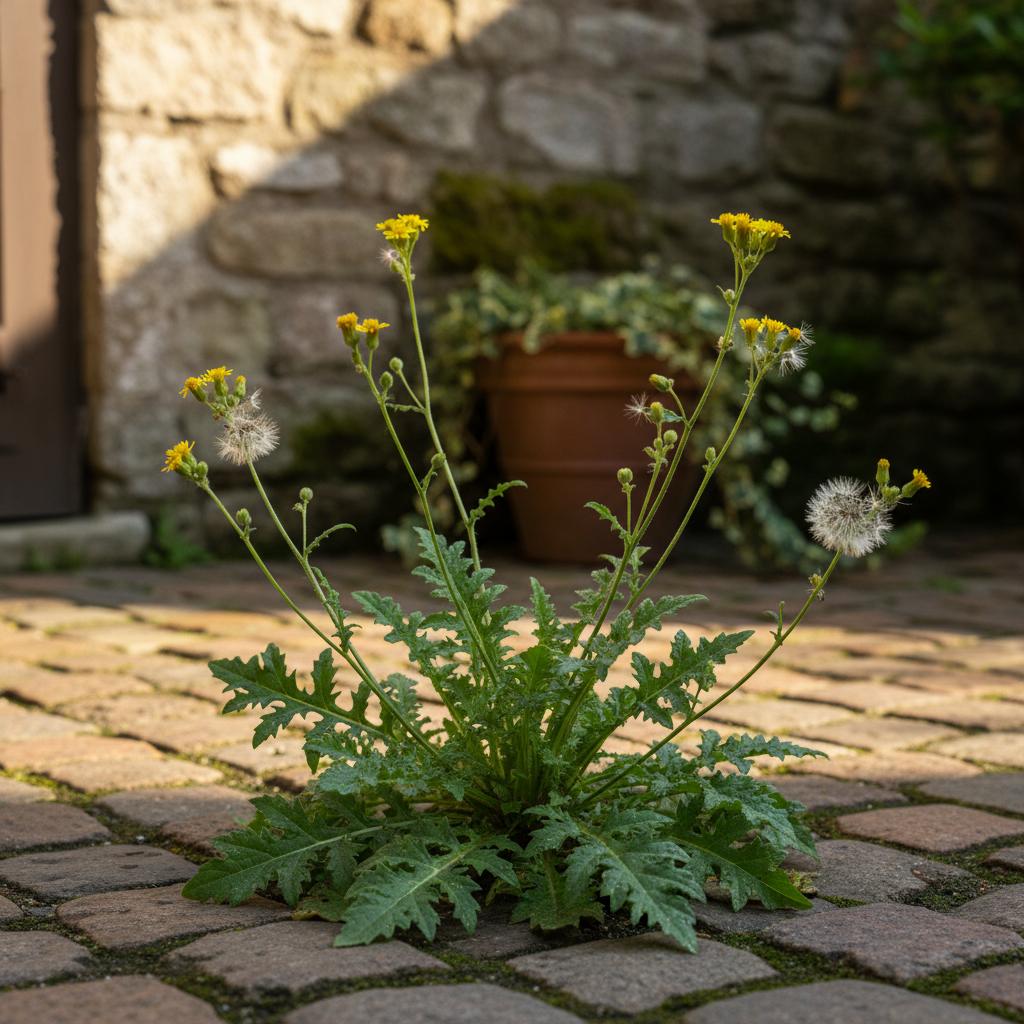
The following plants look similar and may be confused:
Related Toxic Plants

Download PlantFun App
Identify, grow and care for plants effectively!
Instant Plant ID
Take a photo to quickly identify plants.
Smart Care Reminders
Generate watering and care schedules.
Toxicity & Disease Diagnosis
Identify toxic plants and pests with treatment advice.

Data Sources
This information is for reference only and does not constitute medical advice. If ingestion or poisoning is suspected, seek medical or veterinary attention immediately.