 PlantFun
Jack-in-the-pulpit Toxic?

Confirmed toxic to cats, dogs, and horses, with mild to moderate reactions expected upon ingestion
Primary toxic compound is insoluble calcium oxalates, which cause immediate irritation to mucous membranes
Common clinical signs include oral pain, swelling, excessive drooling, vomiting (excluding horses), and difficulty swallowing
FAQ
Is Jack-in-the-pulpit toxic to Humans?
Oral pain, swelling of mouth/tongue/lips, excessive salivation, difficulty swallowing, mild gastrointestinal upset (Moderate)
Is Jack-in-the-pulpit toxic to Cats?
Oral irritation, pain and swelling of mouth, tongue and lips, excessive drooling, vomiting, difficulty swallowing (Moderate)
Is Jack-in-the-pulpit toxic to Dogs?
Oral irritation, pain and swelling of mouth, tongue and lips, excessive drooling, vomiting, difficulty swallowing (Moderate)
Is Jack-in-the-pulpit toxic to Horses?
Oral irritation, pain and swelling of mouth, tongue and lips, excessive drooling, difficulty swallowing, no vomiting observed (Moderate)
Toxicity Details
Oral pain, swelling of mouth/tongue/lips, excessive salivation, difficulty swallowing, mild gastrointestinal upset
Oral irritation, pain and swelling of mouth, tongue and lips, excessive drooling, vomiting, difficulty swallowing
Oral irritation, pain and swelling of mouth, tongue and lips, excessive drooling, vomiting, difficulty swallowing
Oral irritation, pain and swelling of mouth, tongue and lips, excessive drooling, difficulty swallowing, no vomiting observed
Toxicity Snapshot
First Aid & Prevention
First 30 Minutes
- • Remove all remaining plant material from the affected individual's mouth immediately
- • Rinse the mouth thoroughly with cool, clean water to reduce irritation
- • Offer small sips of water or milk to bind residual oxalate crystals if swallowing is unimpaired
- • Monitor closely for signs of airway swelling or respiratory distress
Contact Vet Immediately
- • If significant swelling of the mouth, tongue, or throat impairs breathing
- • If vomiting is persistent or the affected animal shows signs of severe unmanaged pain
- • If the affected individual is a horse, as equine reactions may progress rapidly
- • If symptoms do not improve within 2 hours of first aid administration
Prevention
- • Keep wild or potted Jack-in-the-pulpit plants out of reach of pets, livestock, and small children
- • Wear protective gloves when handling the plant to avoid skin irritation from sap
- • Educate foragers on proper identification to avoid confusion with edible wild root vegetables
Treatment & Prognosis
- • Supportive care including prescribed pain management and antihistamines to reduce swelling
- • Intravenous fluids may be administered if dehydration occurs from vomiting or inability to drink
- • Rare airway support may be provided for severe cases of throat swelling
Professional Toxicology
• Insoluble calcium oxalate crystals penetrate mucous membranes in the mouth, throat, and gastrointestinal tract upon ingestion, triggering immediate pain, inflammation, and swelling
Information from CliniTox veterinary text.
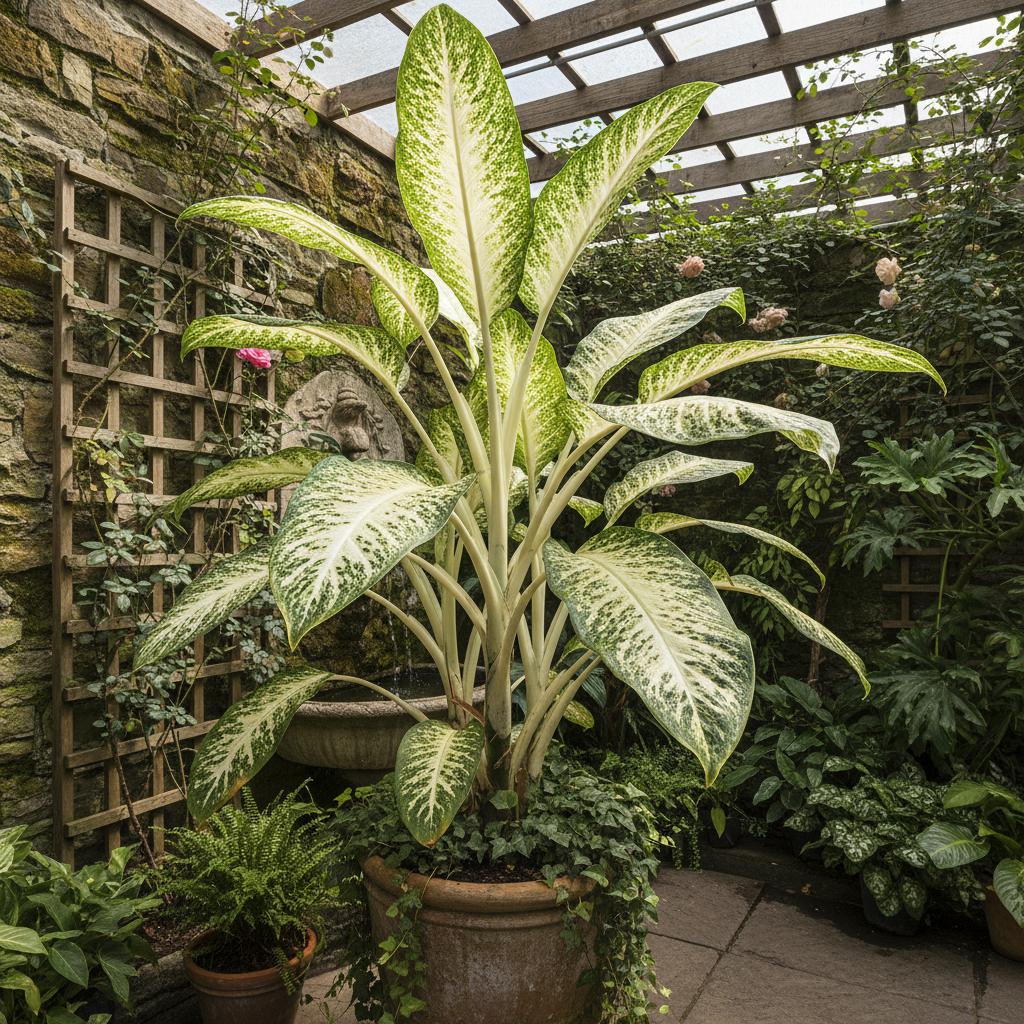
The following plants look similar and may be confused:
Related Toxic Plants


Download PlantFun App
Identify, grow and care for plants effectively!
Instant Plant ID
Take a photo to quickly identify plants.
Smart Care Reminders
Generate watering and care schedules.
Toxicity & Disease Diagnosis
Identify toxic plants and pests with treatment advice.

Data Sources
This information is for reference only and does not constitute medical advice. If ingestion or poisoning is suspected, seek medical or veterinary attention immediately.