 PlantFun
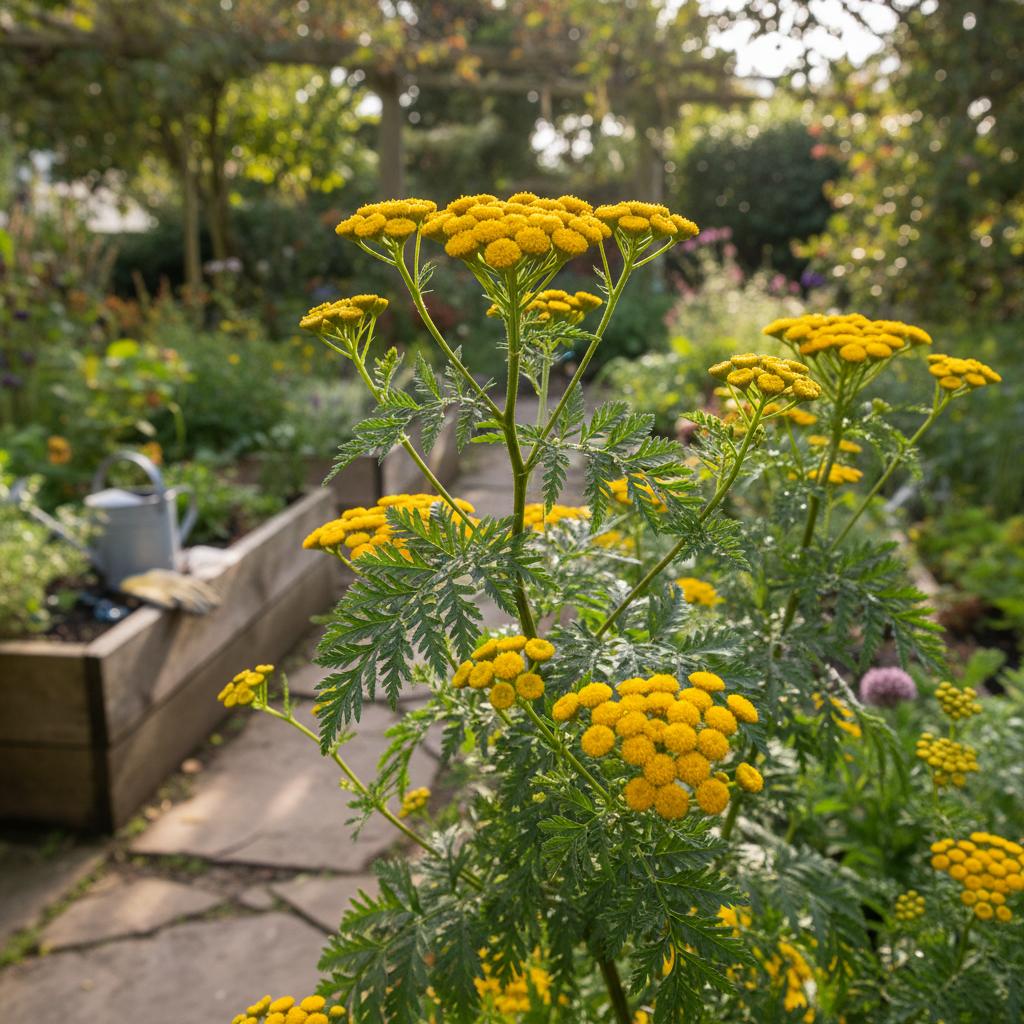
Stinking Chamomile Toxic?
Confirmed toxic to cats, dogs, and horses per ASPCA documentation
Contains toxic compounds including volatile oils, bisabolol and anthemic acid
Long-term exposure can lead to dangerous bleeding tendencies alongside acute symptoms
FAQ
Is Stinking Chamomile toxic to Humans?
Potential contact dermatitis, allergic reactions, mild gastrointestinal upset if ingested; bleeding risk with long-term intentional use (Low)
Is Stinking Chamomile toxic to Cats?
Contact dermatitis, vomiting, diarrhea, anorexia, allergic reactions; bleeding tendencies with long-term exposure (Moderate)
Is Stinking Chamomile toxic to Dogs?
Contact dermatitis, vomiting, diarrhea, anorexia, allergic reactions; bleeding tendencies with long-term exposure (Moderate)
Is Stinking Chamomile toxic to Horses?
Contact dermatitis, vomiting, diarrhea, anorexia, allergic reactions; bleeding tendencies with long-term exposure (Moderate)
Toxicity Details
Potential contact dermatitis, allergic reactions, mild gastrointestinal upset if ingested; bleeding risk with long-term intentional use
Contact dermatitis, vomiting, diarrhea, anorexia, allergic reactions; bleeding tendencies with long-term exposure
Contact dermatitis, vomiting, diarrhea, anorexia, allergic reactions; bleeding tendencies with long-term exposure
Contact dermatitis, vomiting, diarrhea, anorexia, allergic reactions; bleeding tendencies with long-term exposure
Toxicity Snapshot
First Aid & Prevention
First 30 Minutes
- • Remove all remaining plant material from the exposed subject's mouth, skin or fur immediately
- • Rinse affected skin areas with cool soapy water if contact dermatitis is observed
- • Do not induce vomiting unless explicitly instructed to do so by a medical/veterinary professional
Contact Vet Immediately
- • If your pet or horse has ingested any quantity of Stinking Chamomile
- • If you observe symptoms including vomiting, diarrhea, skin irritation or appetite loss after exposure
- • If you suspect long-term repeated exposure, to screen for elevated bleeding risk
Prevention
- • Remove all Stinking Chamomile plants from yards, pastures and areas accessible to pets and grazing animals
- • Avoid allowing animals to graze on unknown chamomile-like flowering plants
- • Wear protective gloves when handling the plant to prevent contact dermatitis
Treatment & Prognosis
- • Supportive care including fluid therapy to resolve gastrointestinal distress
- • Topical or systemic antihistamines to treat allergic reactions and contact dermatitis
- • Coagulation function monitoring and intervention for cases with confirmed long-term exposure
Professional Toxicology
• Irritant compounds in the plant cause inflammation of skin and mucosal membranes on contact
• Acidic toxic compounds disrupt gastrointestinal lining function leading to vomiting and diarrhea
• Long-term exposure interferes with normal blood coagulation pathways to increase bleeding risk
Information from CliniTox veterinary text.
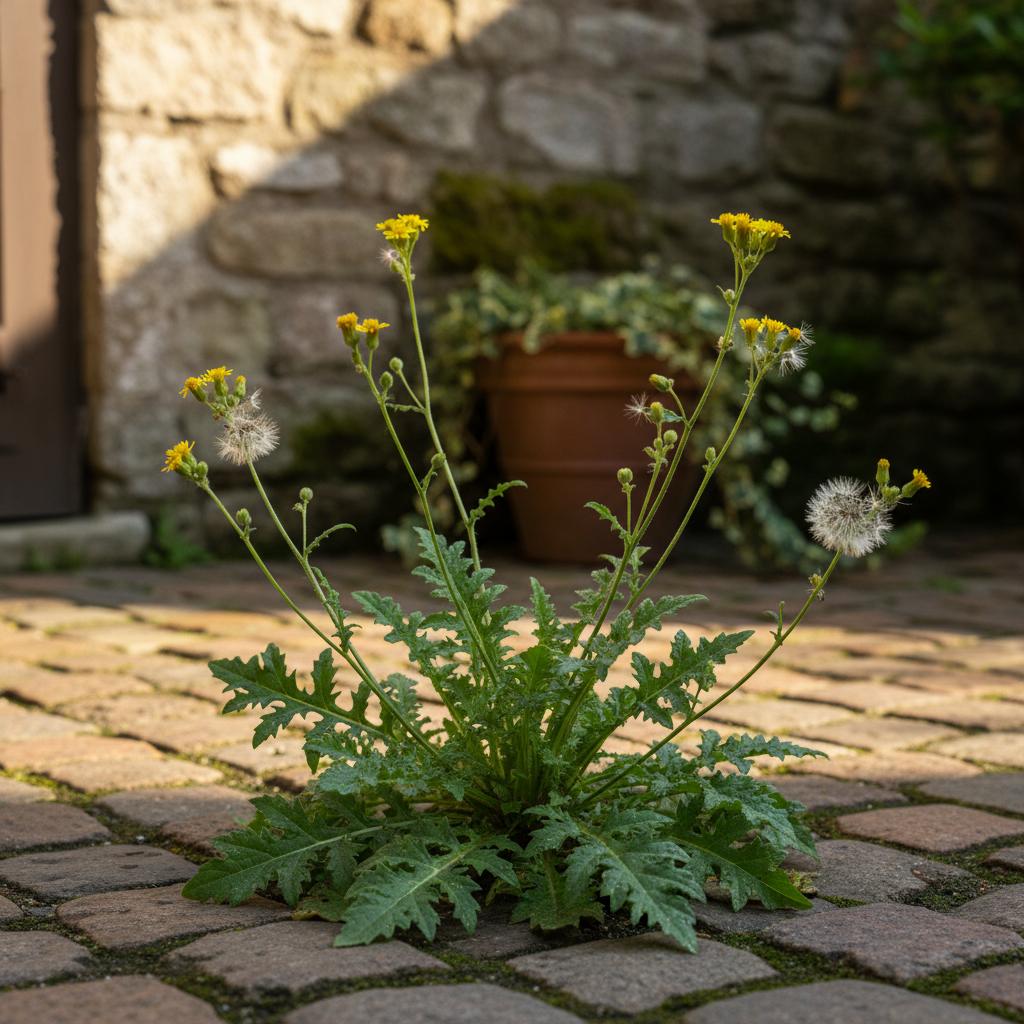
The following plants look similar and may be confused:
Related Toxic Plants

Download PlantFun App
Identify, grow and care for plants effectively!
Instant Plant ID
Take a photo to quickly identify plants.
Smart Care Reminders
Generate watering and care schedules.
Toxicity & Disease Diagnosis
Identify toxic plants and pests with treatment advice.

Data Sources
This information is for reference only and does not constitute medical advice. If ingestion or poisoning is suspected, seek medical or veterinary attention immediately.