 PlantFun
White Snakeroot Toxic?

Contains the toxic principle trematol, responsible for all documented adverse effects after ingestion
Confirmed toxic to horses, while toxicity risks to cats and dogs are currently unstudied and unknown
Ingestion causes generalized weakness, tremors, and collapse across species, with organ-specific damage in horses and goats
FAQ
Is White Snakeroot toxic to Humans?
Limited public data; ingestion of the plant or trematol-contaminated animal milk may cause weakness, tremors, gastrointestinal distress, and potentially severe 'milk sickness' (Moderate)
Is White Snakeroot toxic to Cats?
Toxicity status unconfirmed, no verified clinical symptoms reported to date (Unknown)
Is White Snakeroot toxic to Dogs?
Toxicity status unconfirmed, no verified clinical symptoms reported to date (Unknown)
Is White Snakeroot toxic to Horses?
Weakness, stiffness, tremors, collapse, permanent heart damage, and difficulty swallowing (High)
Toxicity Details
Limited public data; ingestion of the plant or trematol-contaminated animal milk may cause weakness, tremors, gastrointestinal distress, and potentially severe 'milk sickness'
Toxicity status unconfirmed, no verified clinical symptoms reported to date
Toxicity status unconfirmed, no verified clinical symptoms reported to date
Weakness, stiffness, tremors, collapse, permanent heart damage, and difficulty swallowing
Toxicity Snapshot
First Aid & Prevention
First 30 Minutes
- • Immediately remove any remaining plant material from the exposed animal's mouth and nearby environment
- • Do not induce vomiting unless explicitly directed to do so by a licensed veterinary professional
- • Collect a full sample of the ingested plant to confirm identification and guide targeted treatment
Contact Vet Immediately
- • Your horse has ingested any quantity of White Snakeroot, or you strongly suspect exposure
- • Any animal exhibits tremors, stiffness, difficulty swallowing, or collapse after potential contact
- • You are unsure if plants accessible to your pets or livestock are White Snakeroot
Prevention
- • Fully remove all White Snakeroot plants from horse pastures, paddocks, and pet-accessible outdoor areas
- • Ensure grazing livestock have access to ample high-quality forage to reduce risk of accidental toxic plant consumption
- • Educate caretakers on White Snakeroot's identifying features to enable prompt removal before exposure occurs
Treatment & Prognosis
- • Administer activated charcoal under veterinary supervision to bind unabsorbed trematol in the gastrointestinal tract
- • Provide supportive care including IV fluids, cardiac support for affected horses, and anti-inflammatory medication as needed
- • Monitor liver, heart, and nervous system function for a minimum of 72 hours post-exposure to catch secondary complications
Professional Toxicology
• Trematol is rapidly absorbed through the gastrointestinal mucosa after ingestion
• The compound disrupts normal cellular metabolic processes, leading to nervous system impairment and organ damage
• Low-level repeated exposure leads to cumulative toxin buildup, increasing risk of severe effects even with small individual doses
Information from CliniTox veterinary text.
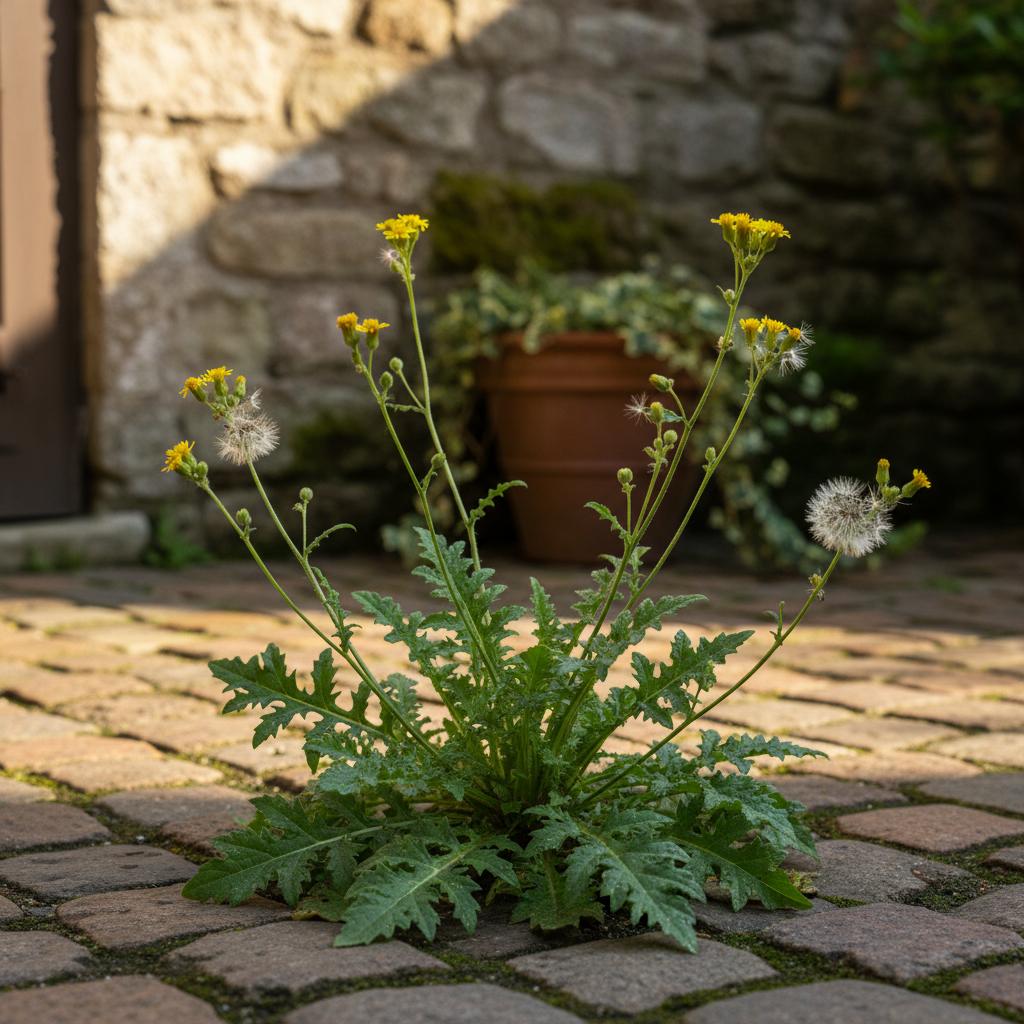
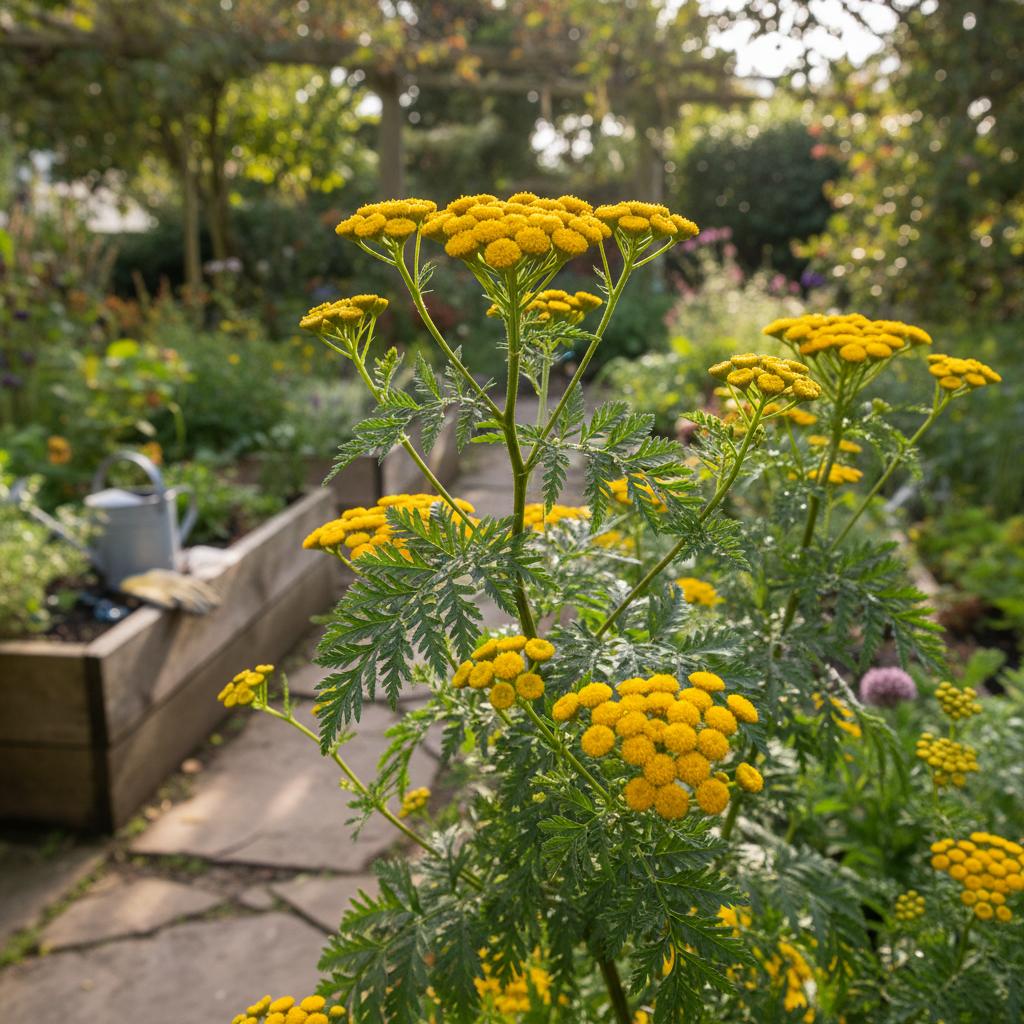
The following plants look similar and may be confused:
Related Toxic Plants

Download PlantFun App
Identify, grow and care for plants effectively!
Instant Plant ID
Take a photo to quickly identify plants.
Smart Care Reminders
Generate watering and care schedules.
Toxicity & Disease Diagnosis
Identify toxic plants and pests with treatment advice.

Data Sources
This information is for reference only and does not constitute medical advice. If ingestion or poisoning is suspected, seek medical or veterinary attention immediately.