 PlantFun
Sabi Star Toxic?

Adenium obesum is confirmed toxic to cats, dogs, and horses, with ingestion carrying a risk of fatal cardiac complications.
Toxicity is driven by cardiac glycosides similar to digitalis that disrupt normal heart function.
Even small ingested amounts may cause vomiting or retching, while larger doses lead to irregular heartbeat and death.
FAQ
Is Sabi Star toxic to Humans?
No specific human poisoning cases documented, but ingestion is not recommended due to cardiac glycoside content that may cause gastrointestinal and cardiac distress. (Low)
Is Sabi Star toxic to Cats?
Vomiting, diarrhea, anorexia, depression, irregular heartbeat, death (Low)
Is Sabi Star toxic to Dogs?
Vomiting, diarrhea, anorexia, depression, irregular heartbeat, death (Low)
Is Sabi Star toxic to Horses?
Vomiting, diarrhea, anorexia, depression, irregular heartbeat, death (Low)
Toxicity Details
No specific human poisoning cases documented, but ingestion is not recommended due to cardiac glycoside content that may cause gastrointestinal and cardiac distress.
Vomiting, diarrhea, anorexia, depression, irregular heartbeat, death
Vomiting, diarrhea, anorexia, depression, irregular heartbeat, death
Vomiting, diarrhea, anorexia, depression, irregular heartbeat, death
Toxicity Snapshot
First Aid & Prevention
First 30 Minutes
- • Immediately remove any remaining plant material from the mouth of the exposed human or animal.
- • Do not induce vomiting unless explicitly instructed by a medical professional or veterinarian.
- • Rinse exposed skin, mouth, and mucous membranes with clean cool water.
Contact Vet Immediately
- • Any confirmed ingestion of Adenium obesum plant material by pets or livestock
- • Appearance of symptoms including vomiting, diarrhea, lethargy, or abnormal heart rhythm
- • If the exposed animal is unresponsive, disoriented, or having difficulty breathing
Prevention
- • Keep potted and garden-planted Sabi Star out of reach of pets, livestock, and small children
- • Never use any part of the plant as animal feed or for human consumption
- • Label potted Sabi Star plants clearly as toxic to avoid accidental exposure
Treatment & Prognosis
- • Veterinarian-administered decontamination including activated charcoal or gastric lavage if indicated
- • Cardiac monitoring and antiarrhythmic medication to regulate heart function
- • Symptomatic supportive care for dehydration, vomiting, and diarrhea
Professional Toxicology
• Cardiac glycosides bind to and inhibit sodium-potassium ATPase in heart muscle cells, disrupting normal heart rhythm and potentially leading to cardiac failure
Information from CliniTox veterinary text.
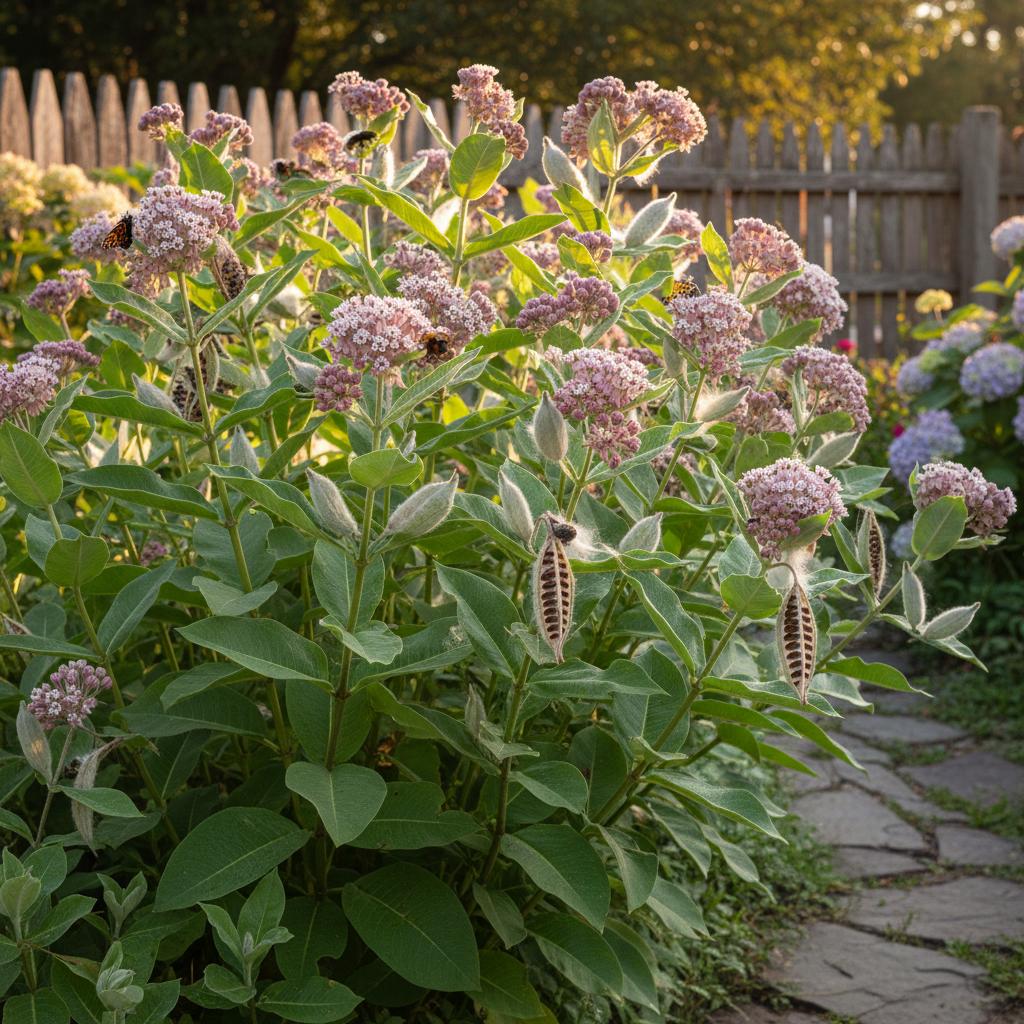
The following plants look similar and may be confused:
Related Toxic Plants


Download PlantFun App
Identify, grow and care for plants effectively!
Instant Plant ID
Take a photo to quickly identify plants.
Smart Care Reminders
Generate watering and care schedules.
Toxicity & Disease Diagnosis
Identify toxic plants and pests with treatment advice.

Data Sources
This information is for reference only and does not constitute medical advice. If ingestion or poisoning is suspected, seek medical or veterinary attention immediately.