 PlantFun
Wild pansy Toxic?
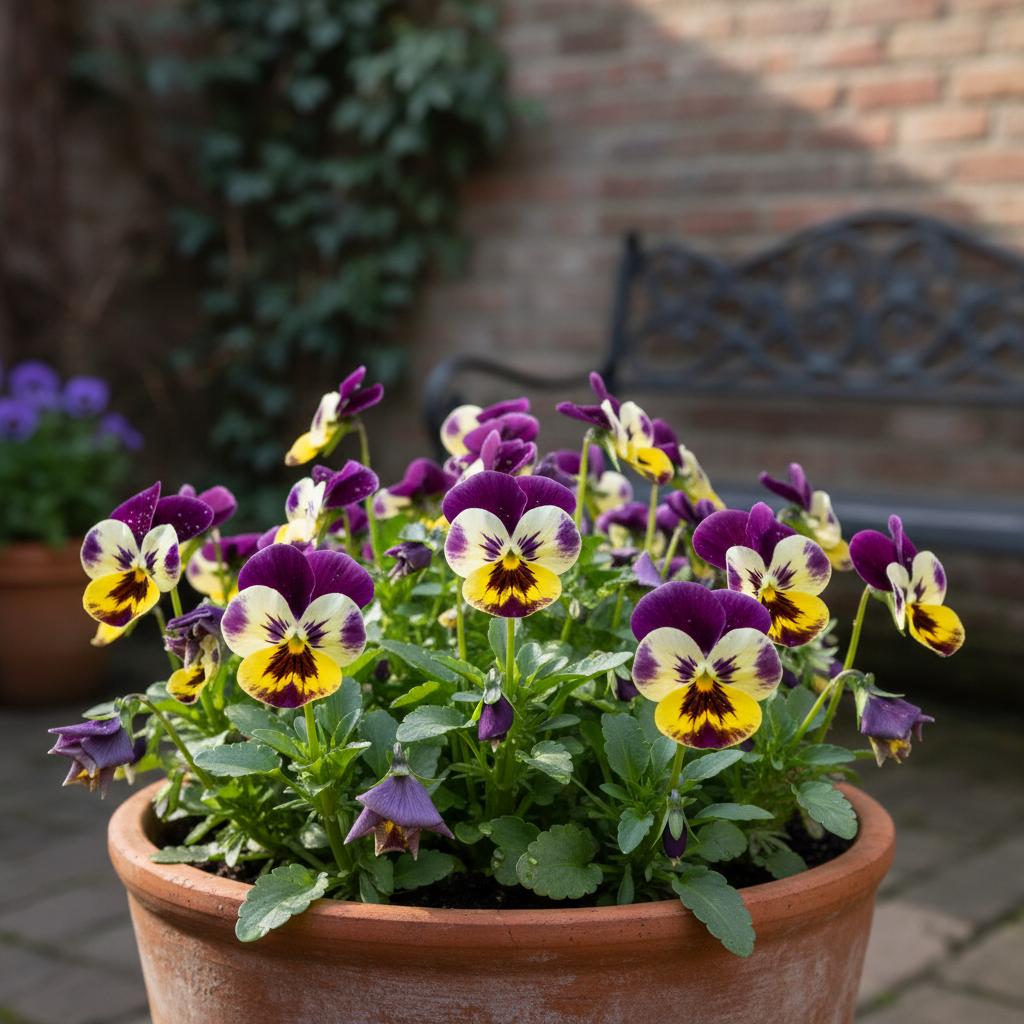
All plant parts of this Viola group contain glycoside-like compounds and salicylic acid as primary toxic components
Consumption of this plant, even in small amounts, can trigger diarrhea in humans and exposed animals
Toxicity is classified as moderate for human ingestion per peer-reviewed toxicology studies
FAQ
Is Wild pansy toxic to Humans?
Diarrhea, mild abdominal cramping, and gastrointestinal discomfort after ingestion (Moderate)
Is Wild pansy toxic to Cats?
Toxicity not formally documented; diarrhea and mild gastrointestinal upset are potential symptoms if large amounts are ingested (Low)
Is Wild pansy toxic to Dogs?
Toxicity not formally documented; diarrhea and mild gastrointestinal upset are potential symptoms if large amounts are ingested (Low)
Is Wild pansy toxic to Horses?
Toxicity not formally documented; diarrhea and mild gastrointestinal upset are potential symptoms if large amounts are ingested (Low)
Toxicity Details
Diarrhea, mild abdominal cramping, and gastrointestinal discomfort after ingestion
Toxicity not formally documented; diarrhea and mild gastrointestinal upset are potential symptoms if large amounts are ingested
Toxicity not formally documented; diarrhea and mild gastrointestinal upset are potential symptoms if large amounts are ingested
Toxicity not formally documented; diarrhea and mild gastrointestinal upset are potential symptoms if large amounts are ingested
Toxicity Snapshot
First Aid & Prevention
First 30 Minutes
- • Rinse mouth thoroughly with clean water immediately after accidental ingestion
- • Do not induce vomiting unless instructed to do so by a medical professional or veterinarian
- • Monitor for early signs of diarrhea, abdominal pain, or unusual lethargy within 30 minutes of exposure
Contact Vet Immediately
- • If your pet has ingested a large quantity of wild pansy
- • If your pet develops persistent diarrhea, abdominal discomfort, or dehydration after exposure
- • If the ingested amount is unknown, and the animal is young, elderly, or has pre-existing health conditions
Prevention
- • Keep potted wild pansy plants and wild forage out of reach of children and pets
- • Do not consume wild Viola species unless positively identified as safe by a trained foraging expert
- • Educate household members to avoid eating unknown wild flowers, including Viola varieties
Treatment & Prognosis
- • Provide supportive care including electrolyte and fluid replacement to address dehydration from diarrhea
- • Administer gastrointestinal protectants as recommended by a medical or veterinary provider
- • Monitor gastrointestinal function and electrolyte levels until symptoms fully resolve
Professional Toxicology
• Salicylic acid content irritates the gastrointestinal mucosa, increasing gut motility and inducing diarrhea
• Glycoside-like compounds contribute to additional gastrointestinal irritation when consumed in sufficient quantities
Information from CliniTox veterinary text.
The following plants look similar and may be confused:
Related Toxic Plants
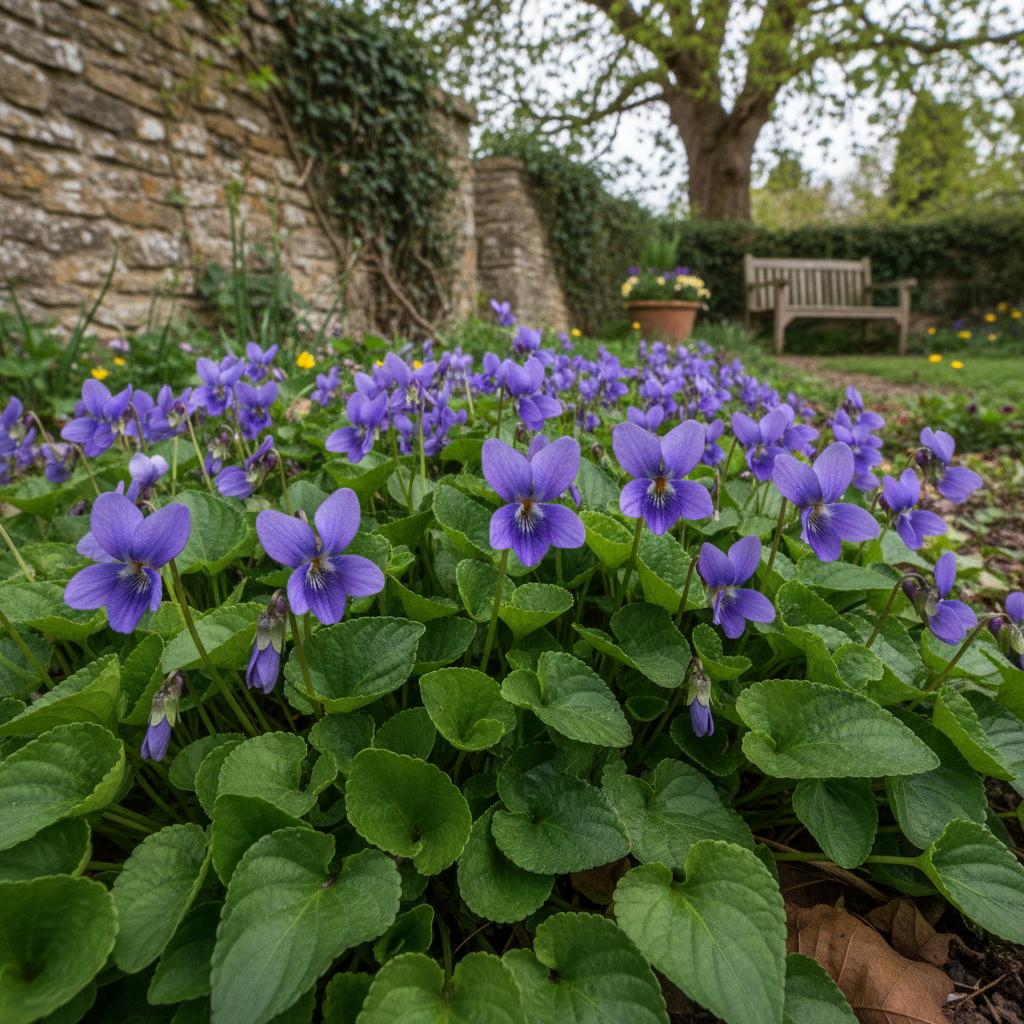
Download PlantFun App
Identify, grow and care for plants effectively!
Instant Plant ID
Take a photo to quickly identify plants.
Smart Care Reminders
Generate watering and care schedules.
Toxicity & Disease Diagnosis
Identify toxic plants and pests with treatment advice.

Data Sources
This information is for reference only and does not constitute medical advice. If ingestion or poisoning is suspected, seek medical or veterinary attention immediately.