 PlantFun
Vinca Toxic?
Vinca is confirmed toxic to cats, dogs, and horses per ASPCA data
Toxic effects are driven by naturally occurring vinca alkaloids present in the plant
Ingestion can lead to life-threatening symptoms including seizures, coma and death
FAQ
Is Vinca toxic to Humans?
No specific human toxicity data provided; large ingestion may cause gastrointestinal distress and neurological symptoms (Low)
Is Vinca toxic to Cats?
Vomiting, diarrhea, low blood pressure, depression, tremors, seizures, coma, potential death (Severe)
Is Vinca toxic to Dogs?
Vomiting, diarrhea, low blood pressure, depression, tremors, seizures, coma, potential death (Severe)
Is Vinca toxic to Horses?
Vomiting, diarrhea, low blood pressure, depression, tremors, seizures, coma, potential death (Severe)
Toxicity Details
No specific human toxicity data provided; large ingestion may cause gastrointestinal distress and neurological symptoms
Vomiting, diarrhea, low blood pressure, depression, tremors, seizures, coma, potential death
Vomiting, diarrhea, low blood pressure, depression, tremors, seizures, coma, potential death
Vomiting, diarrhea, low blood pressure, depression, tremors, seizures, coma, potential death
Toxicity Snapshot
First Aid & Prevention
First 30 Minutes
- • Remove all remaining plant material from the exposed animal's mouth and surrounding area immediately
- • Do not induce vomiting unless explicitly instructed to do so by a licensed veterinarian
- • Rinse the animal's mouth and any exposed skin thoroughly with clean cool water
Contact Vet Immediately
- • If you witness your cat, dog or horse ingesting any part of a vinca plant
- • If the animal exhibits symptoms including vomiting, lethargy, tremors or seizures after potential exposure
- • If you are unsure if the plant your animal consumed is vinca or another toxic species
Prevention
- • Keep vinca plants out of reach of cats, dogs and horses in both indoor and outdoor spaces
- • Learn to identify vinca and other toxic Apocynaceae family plants to avoid accidental exposure
- • Dispose of trimmed vinca waste in sealed containers inaccessible to animals
Treatment & Prognosis
- • Veterinarians may administer activated charcoal to absorb remaining toxic compounds in the gastrointestinal tract
- • Provide supportive care including IV fluid therapy, antiemetics and anti-seizure medication as needed
- • Monitor blood pressure and neurological function closely for 24-72 hours post-exposure
Professional Toxicology
• Vinca alkaloids interfere with normal cell division, and disrupt cardiovascular, neurological and gastrointestinal function in affected animals
Information from CliniTox veterinary text.
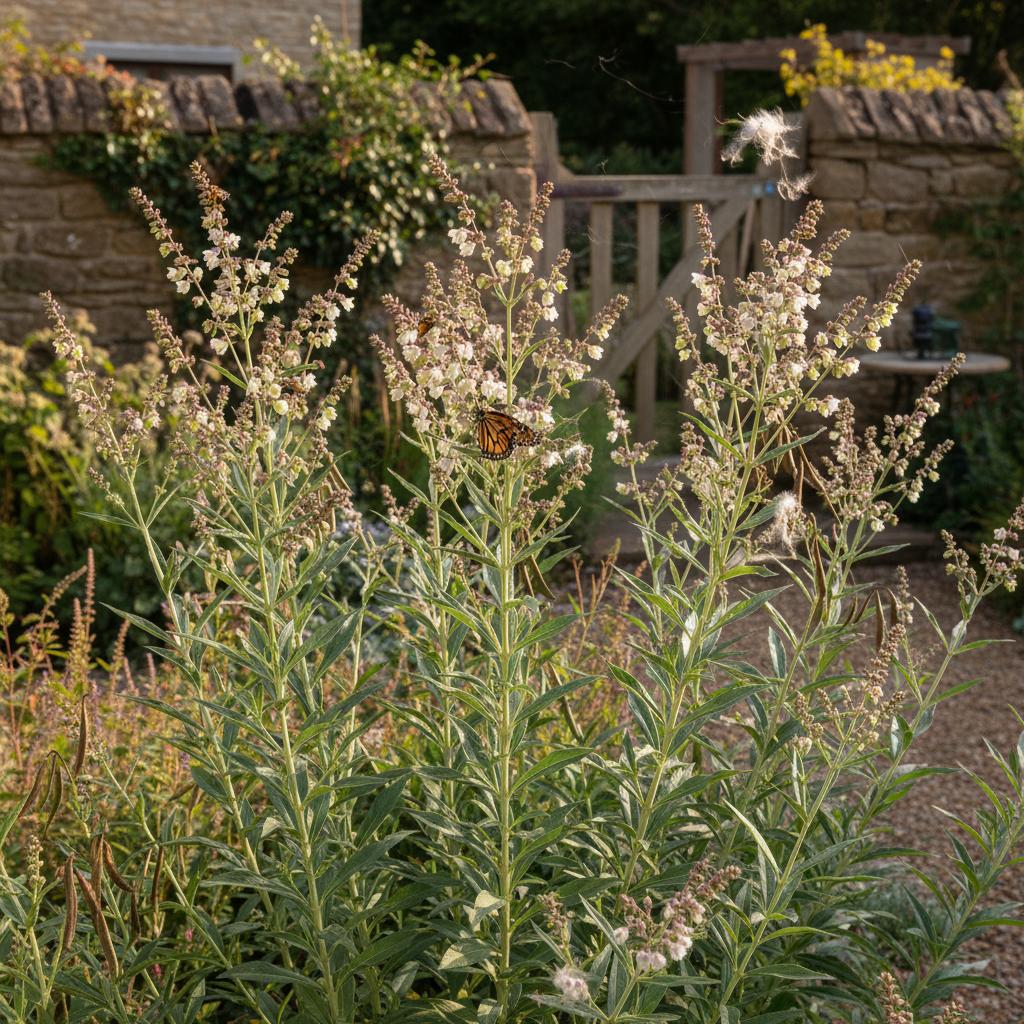
The following plants look similar and may be confused:
Related Toxic Plants


Download PlantFun App
Identify, grow and care for plants effectively!
Instant Plant ID
Take a photo to quickly identify plants.
Smart Care Reminders
Generate watering and care schedules.
Toxicity & Disease Diagnosis
Identify toxic plants and pests with treatment advice.

Data Sources
This information is for reference only and does not constitute medical advice. If ingestion or poisoning is suspected, seek medical or veterinary attention immediately.