 PlantFun
Stinging nettle Toxic?
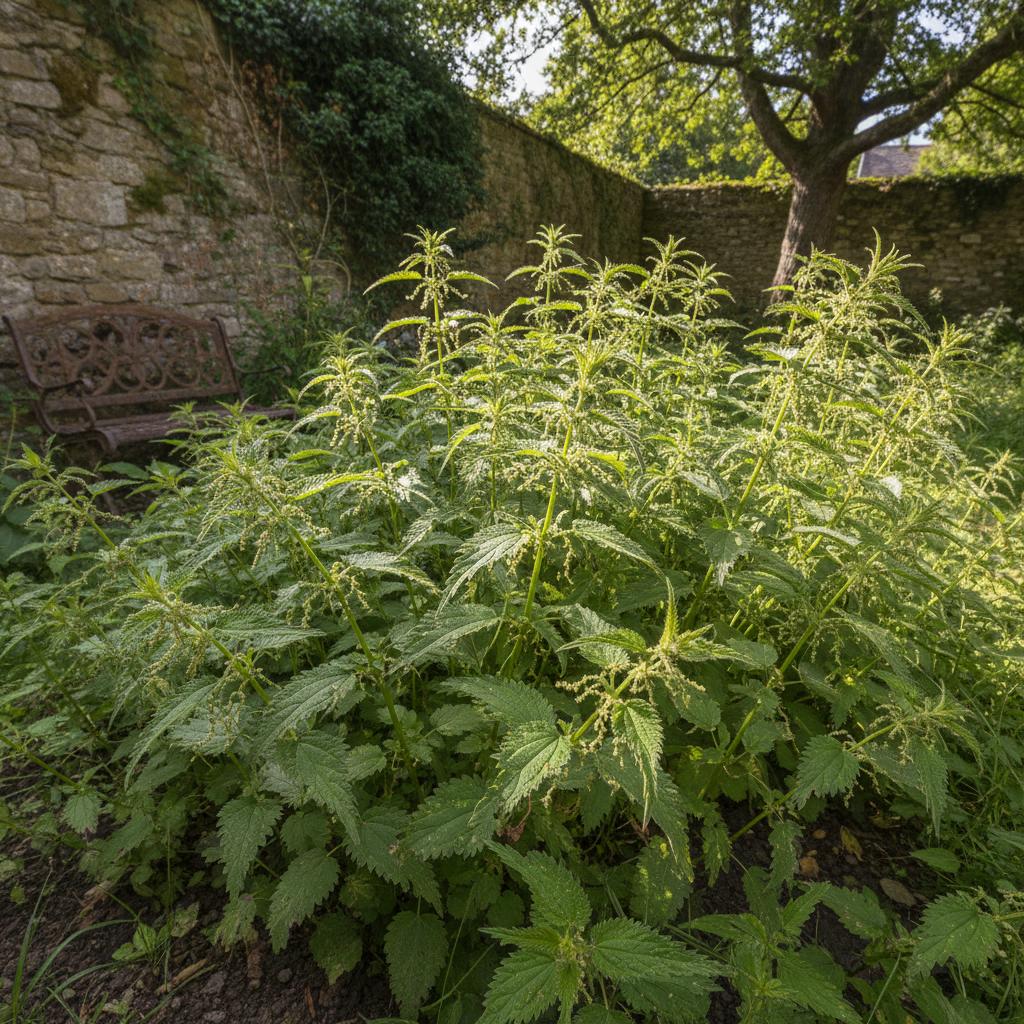
No inherently toxic plant parts exist, but all plant surfaces have stinging hairs that cause strong skin irritation
No confirmed systemic toxicity to cats, dogs, or horses has been documented for this species
The plant is at high risk of being confused with other Urtica species and plants in the Lamiaceae family
FAQ
Is Stinging nettle toxic to Humans?
Intense localized skin itching, redness, swelling, and burning sensation at the contact site, no systemic effects reported (Non-toxic)
Is Stinging nettle toxic to Cats?
Localized skin or oral irritation if contacted or chewed, no confirmed systemic toxicity (Non-toxic)
Is Stinging nettle toxic to Dogs?
Localized skin or oral irritation if contacted or chewed, no confirmed systemic toxicity (Non-toxic)
Is Stinging nettle toxic to Horses?
Localized skin or oral irritation if contacted or chewed, no confirmed systemic toxicity (Non-toxic)
Toxicity Details
Intense localized skin itching, redness, swelling, and burning sensation at the contact site, no systemic effects reported
Localized skin or oral irritation if contacted or chewed, no confirmed systemic toxicity
Localized skin or oral irritation if contacted or chewed, no confirmed systemic toxicity
Localized skin or oral irritation if contacted or chewed, no confirmed systemic toxicity
Toxicity Snapshot
First Aid & Prevention
First 30 Minutes
- • Wash affected contact area thoroughly with cool soapy water immediately after exposure
- • Apply a cold compress to the irritated area to reduce swelling and itching
- • Avoid scratching irritated areas to prevent secondary bacterial infection
- • If ingested, rinse mouth with clean cool water to reduce oral irritation
Contact Vet Immediately
- • If your pet shows persistent swelling, difficulty breathing, or severe discomfort after contact or ingestion
- • If localized irritation does not resolve within 24 hours for exposed animals
- • If your pet ingests large quantities of the plant and develops unusual symptoms
Prevention
- • Wear protective gloves when handling this plant to avoid skin irritation
- • Keep pets and children away from dense patches of stinging nettle
- • Avoid planting stinging nettle in accessible home gardens or pet play areas
Treatment & Prognosis
- • Topical antihistamine creams for mild human skin irritation
- • Veterinary-administered antihistamines or anti-inflammatory medications for severe animal reactions
- • Supportive care for localized irritation symptoms as required
Professional Toxicology
• Hollow stinging hairs on plant surfaces break on contact and inject irritant compounds into skin or mucous membranes, triggering localized inflammatory reactions
Information from CliniTox veterinary text.
The following plants look similar and may be confused:
Related Toxic Plants
Download PlantFun App
Identify, grow and care for plants effectively!
Instant Plant ID
Take a photo to quickly identify plants.
Smart Care Reminders
Generate watering and care schedules.
Toxicity & Disease Diagnosis
Identify toxic plants and pests with treatment advice.

Data Sources
This information is for reference only and does not constitute medical advice. If ingestion or poisoning is suspected, seek medical or veterinary attention immediately.