 PlantFun
Red clover Toxic?
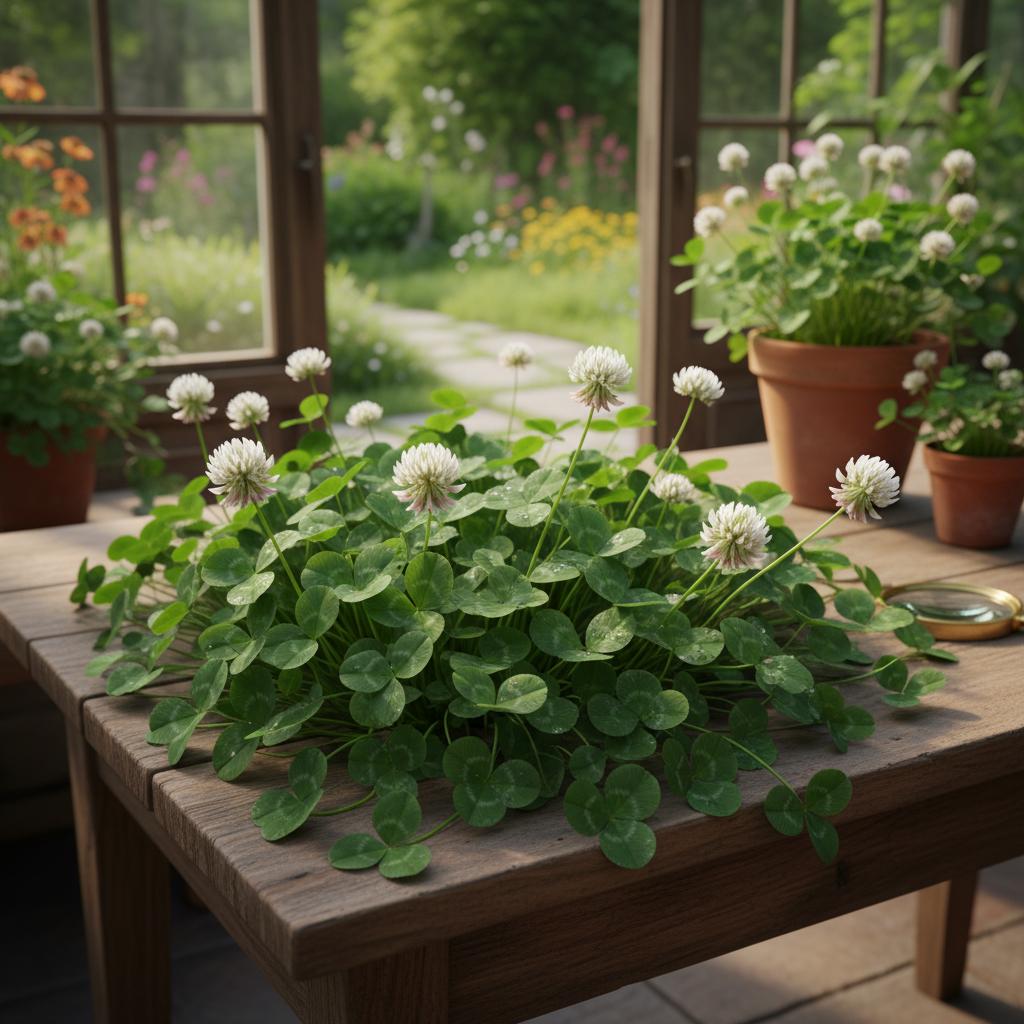
All clover species are normally safe forage plants, with toxicity only occurring in rare cases dependent on season, weather, and total intake volume.
Toxicity occurs when the plant is infected by fungi like Rhizoctonia leguminicola, Botrytis fabae, or Slafractonia, identifiable by black spots on foliage.
The plant contains phytoestrogens, cyanogenic glycosides, and photosensitizing compounds that trigger adverse effects in high doses or susceptible animals.
FAQ
Is Red clover toxic to Humans?
No specific toxicity symptoms reported for standard human consumption; excessive intake may cause mild hormone-related effects due to phytoestrogens. (Non-toxic)
Is Red clover toxic to Cats?
No specific toxicity data available; adverse effects are highly unlikely with incidental small intake. (Non-toxic)
Is Red clover toxic to Dogs?
No specific toxicity data available; adverse effects are highly unlikely with incidental small intake. (Non-toxic)
Is Red clover toxic to Horses?
No species-specific symptoms documented; may develop photosensitivity, digestive upset, or mild cyanide poisoning signs if large amounts of mold-infected clover are consumed. (Low)
Toxicity Details
No specific toxicity symptoms reported for standard human consumption; excessive intake may cause mild hormone-related effects due to phytoestrogens.
No specific toxicity data available; adverse effects are highly unlikely with incidental small intake.
No specific toxicity data available; adverse effects are highly unlikely with incidental small intake.
No species-specific symptoms documented; may develop photosensitivity, digestive upset, or mild cyanide poisoning signs if large amounts of mold-infected clover are consumed.
Toxicity Snapshot
First Aid & Prevention
First 30 Minutes
- • If large amounts of mold-spotted clover are ingested, induce vomiting (in applicable non-ruminant species) to reduce absorption.
- • Immediately move animals showing photosensitivity signs out of direct sunlight.
- • Collect a sample of the ingested clover to share with veterinary or medical providers for diagnosis.
Contact Vet Immediately
- • Bright red blood or mucous membranes are observed, indicating potential cyanide poisoning.
- • Livestock show reproductive abnormalities, reduced milk production, or unexplained abortion.
- • Signs of respiratory distress, excessive salivation, uncoordinated movement, or seizures appear after consumption.
- • Persistent photosensitivity rashes or reactions develop after sun exposure.
Prevention
- • Inspect all clover forage for black spots indicating fungal infection before feeding to livestock.
- • Limit clover to moderate quantities in livestock rations, especially during warm, humid weather that increases fungal growth risk.
- • Avoid feeding mold-damaged clover hay or silage to breeding or sensitive animals.
Treatment & Prognosis
- • Perform decontamination procedures (e.g. activated charcoal administration) as appropriate for the species and ingestion timeline.
- • Provide symptomatic and supportive care tailored to the presenting clinical signs.
- • For confirmed cyanide poisoning: administer intravenous 1% sodium nitrite (20-25mg/kg body weight) followed by 25% sodium thiosulfate (0.5-1.25g/kg body weight).
- • Minimize sun exposure for animals showing photosensitivity reactions until symptoms fully resolve.
Professional Toxicology
• Phytoestrogens exert estrogenic effects that disrupt reproductive function in susceptible livestock species.
• Cyanogenic glycosides release cyanide when metabolized, causing cellular oxygen deprivation and organ damage.
• Photosensitizing compounds accumulate in the skin after liver processing, triggering inflammatory UV light-induced reactions.
Information from CliniTox veterinary text.
The following plants look similar and may be confused:
Related Toxic Plants


Download PlantFun App
Identify, grow and care for plants effectively!
Instant Plant ID
Take a photo to quickly identify plants.
Smart Care Reminders
Generate watering and care schedules.
Toxicity & Disease Diagnosis
Identify toxic plants and pests with treatment advice.

Data Sources
This information is for reference only and does not constitute medical advice. If ingestion or poisoning is suspected, seek medical or veterinary attention immediately.