 PlantFun
Poison Sumac Toxic?
Contains urushiol, the primary irritant that causes immune-mediated allergic reactions in humans
Classified as non-toxic to cats, dogs, and horses, with no consistent adverse effects reported in these species
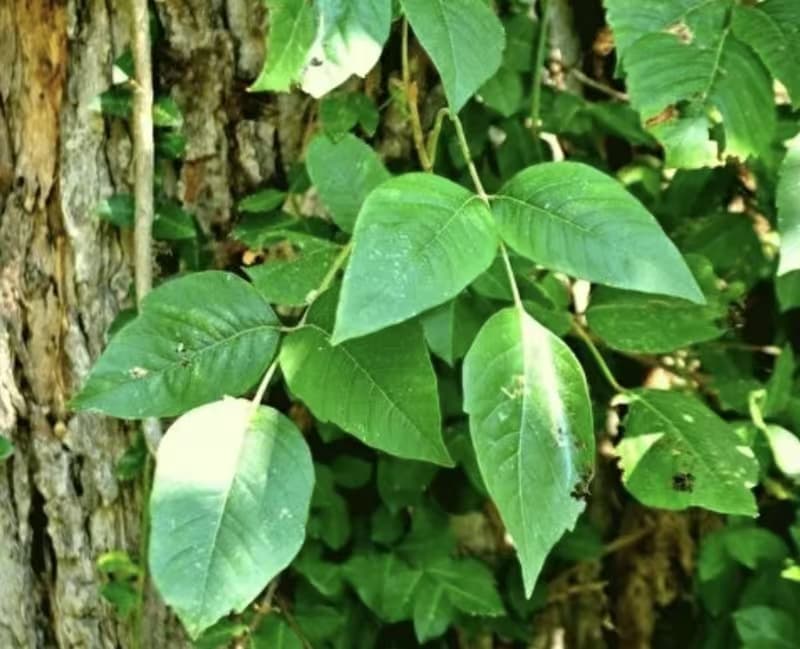
Easily confused with other urushiol-containing Toxicodendron species including poison ivy and poison oak
FAQ
Is Poison Sumac toxic to Humans?
Allergic contact dermatitis: localized redness, itching, blistering, swelling of exposed skin; severe reactions may include respiratory distress if smoke from burned plants is inhaled (Moderate)
Is Poison Sumac toxic to Cats?
No known consistent adverse effects; rare mild, temporary skin irritation may occur in highly sensitive individuals (Non-toxic)
Is Poison Sumac toxic to Dogs?
No known consistent adverse effects; rare mild, temporary skin irritation may occur in highly sensitive individuals (Non-toxic)
Is Poison Sumac toxic to Horses?
No known consistent adverse effects; rare mild, temporary skin irritation may occur in highly sensitive individuals (Non-toxic)
Toxicity Details
Allergic contact dermatitis: localized redness, itching, blistering, swelling of exposed skin; severe reactions may include respiratory distress if smoke from burned plants is inhaled
No known consistent adverse effects; rare mild, temporary skin irritation may occur in highly sensitive individuals
No known consistent adverse effects; rare mild, temporary skin irritation may occur in highly sensitive individuals
No known consistent adverse effects; rare mild, temporary skin irritation may occur in highly sensitive individuals
Toxicity Snapshot
First Aid & Prevention
First 30 Minutes
- • For human skin exposure: Wash affected area immediately with cold water and grease-cutting soap to remove residual urushiol
- • Remove all contaminated clothing and wash separately to avoid secondary exposure to other people or pets
- • If eye/mucous membrane exposure occurs, flush continuously with clean running water for at least 15 minutes
Contact Vet Immediately
- • Your pet develops persistent skin redness, swelling, or itching 24+ hours after plant contact
- • Your pet shows signs of gastrointestinal distress (vomiting, diarrhea) after ingesting large volumes of plant material
Prevention
- • Learn to identify Poison Sumac and related Toxicodendron species to avoid contact during outdoor activities
- • Wear long sleeves, waterproof gloves, and closed-toe shoes when working in areas where these plants grow
- • Never burn Poison Sumac, as urushiol particles in smoke can trigger severe respiratory and systemic allergic reactions
Treatment & Prognosis
- • For mild human dermatitis: Use calamine lotion, topical hydrocortisone, or oral antihistamines to reduce itching and inflammation
- • For severe human reactions (facial swelling, difficulty breathing, widespread blistering): Seek emergency medical care immediately
- • For pets with mild skin irritation: Bathe with pet-safe shampoo to remove residual oils, monitor for worsening symptoms
Professional Toxicology
• Urushiol binds to skin cell proteins upon contact, triggering a type IV delayed hypersensitivity immune reaction in sensitized humans
Information from CliniTox veterinary text.
The following plants look similar and may be confused:
Related Toxic Plants


Download PlantFun App
Identify, grow and care for plants effectively!
Instant Plant ID
Take a photo to quickly identify plants.
Smart Care Reminders
Generate watering and care schedules.
Toxicity & Disease Diagnosis
Identify toxic plants and pests with treatment advice.

Data Sources
This information is for reference only and does not constitute medical advice. If ingestion or poisoning is suspected, seek medical or veterinary attention immediately.